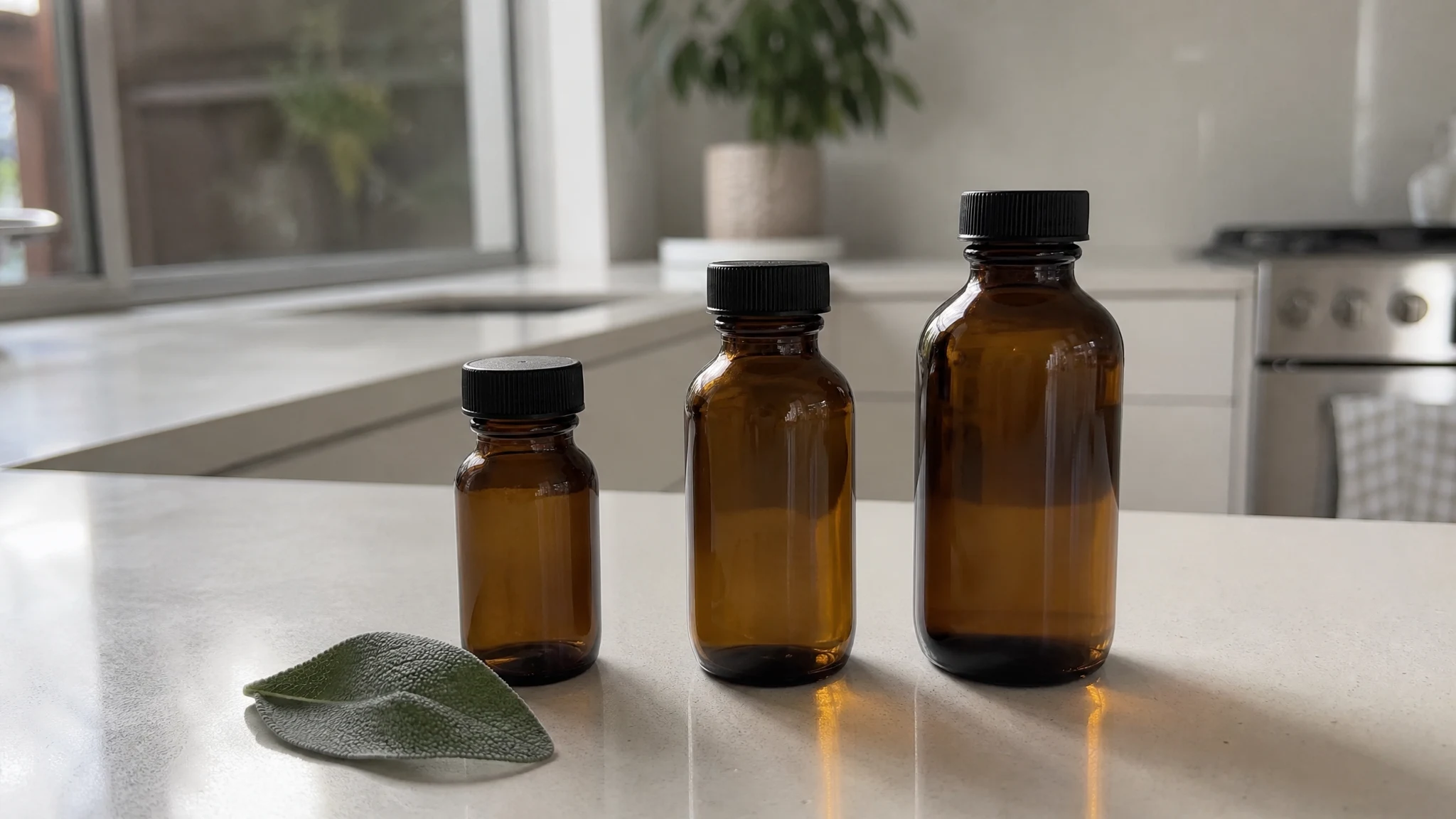
Which Size Sage Oil Should You Buy First?
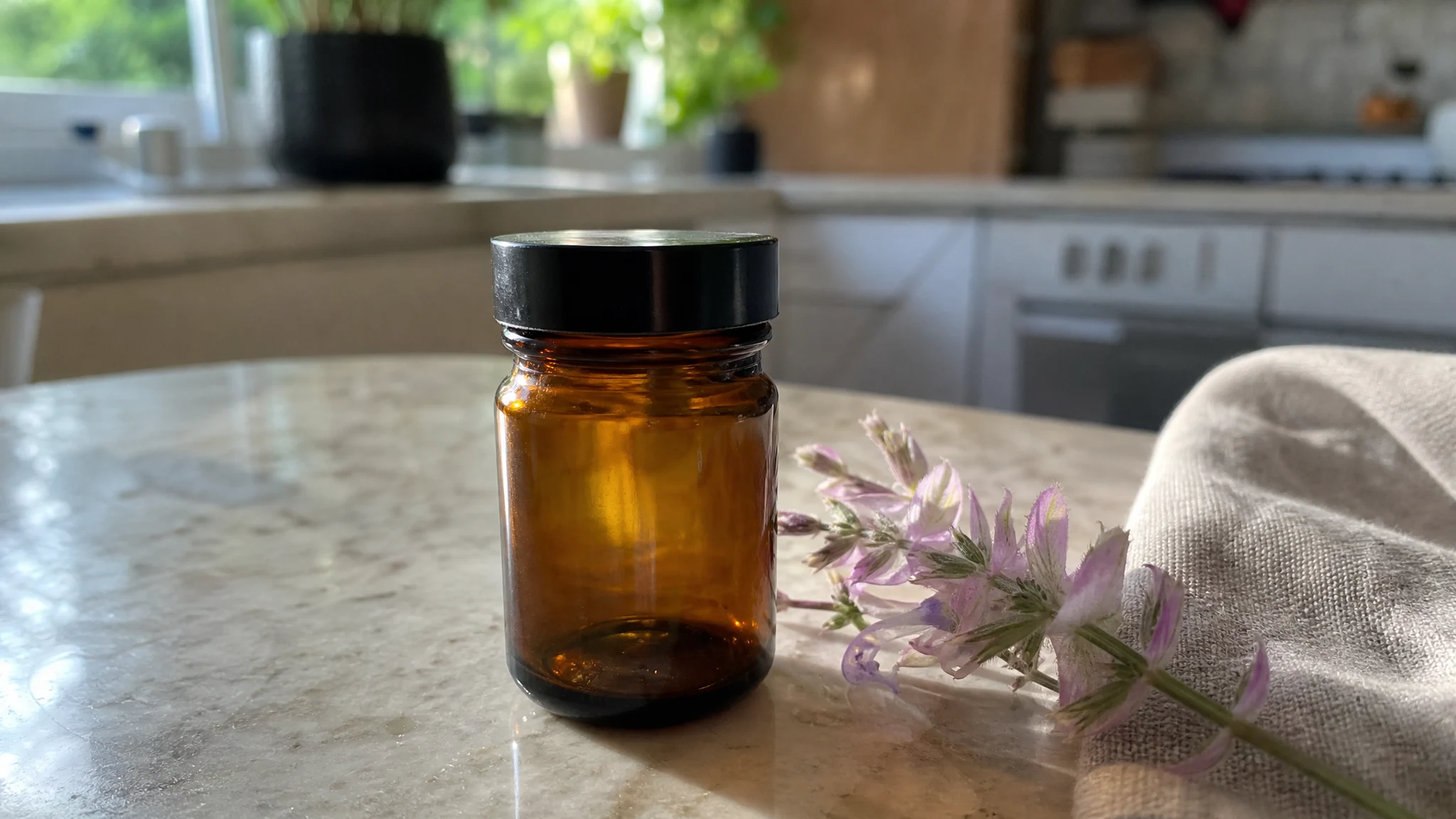
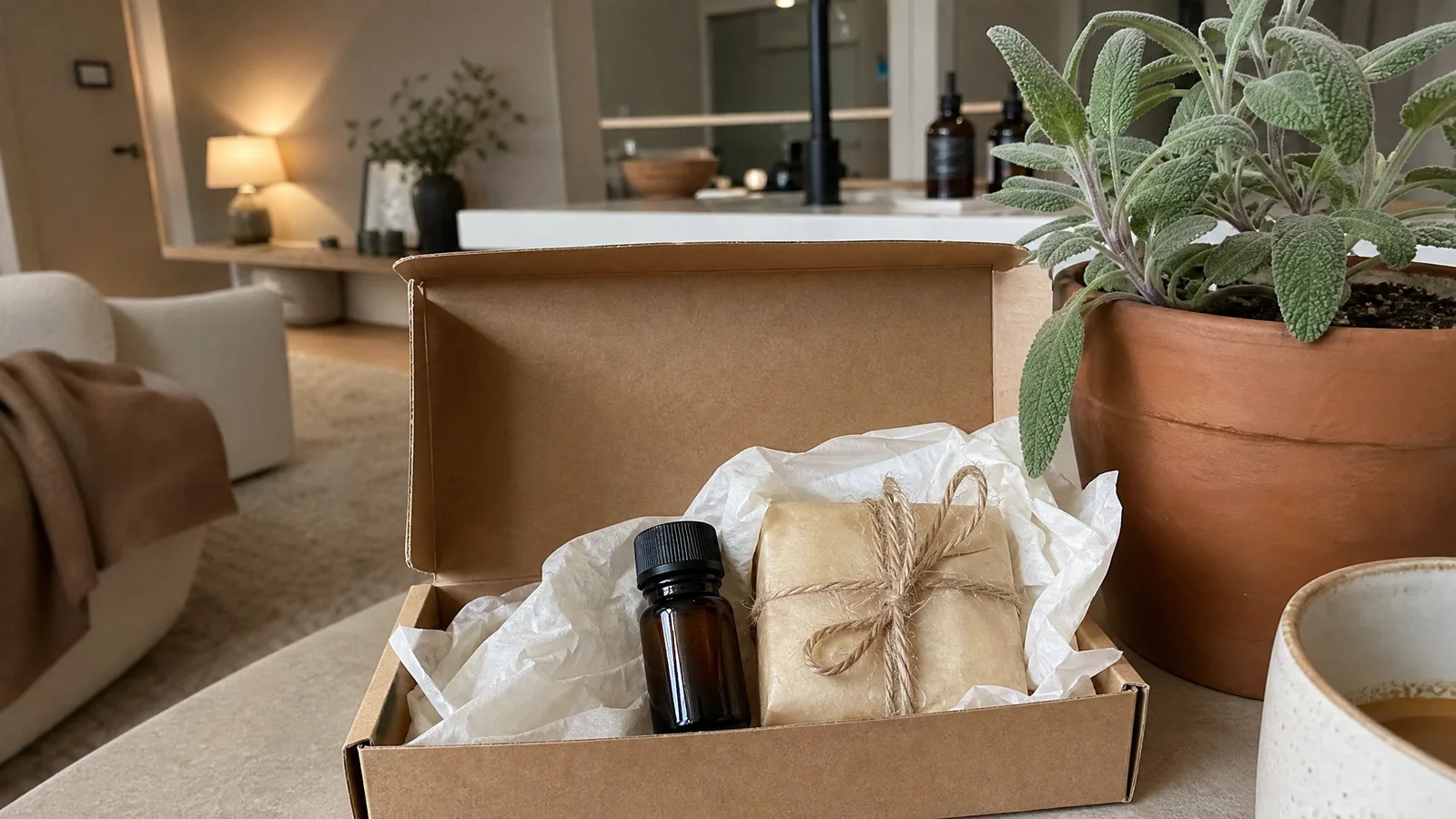
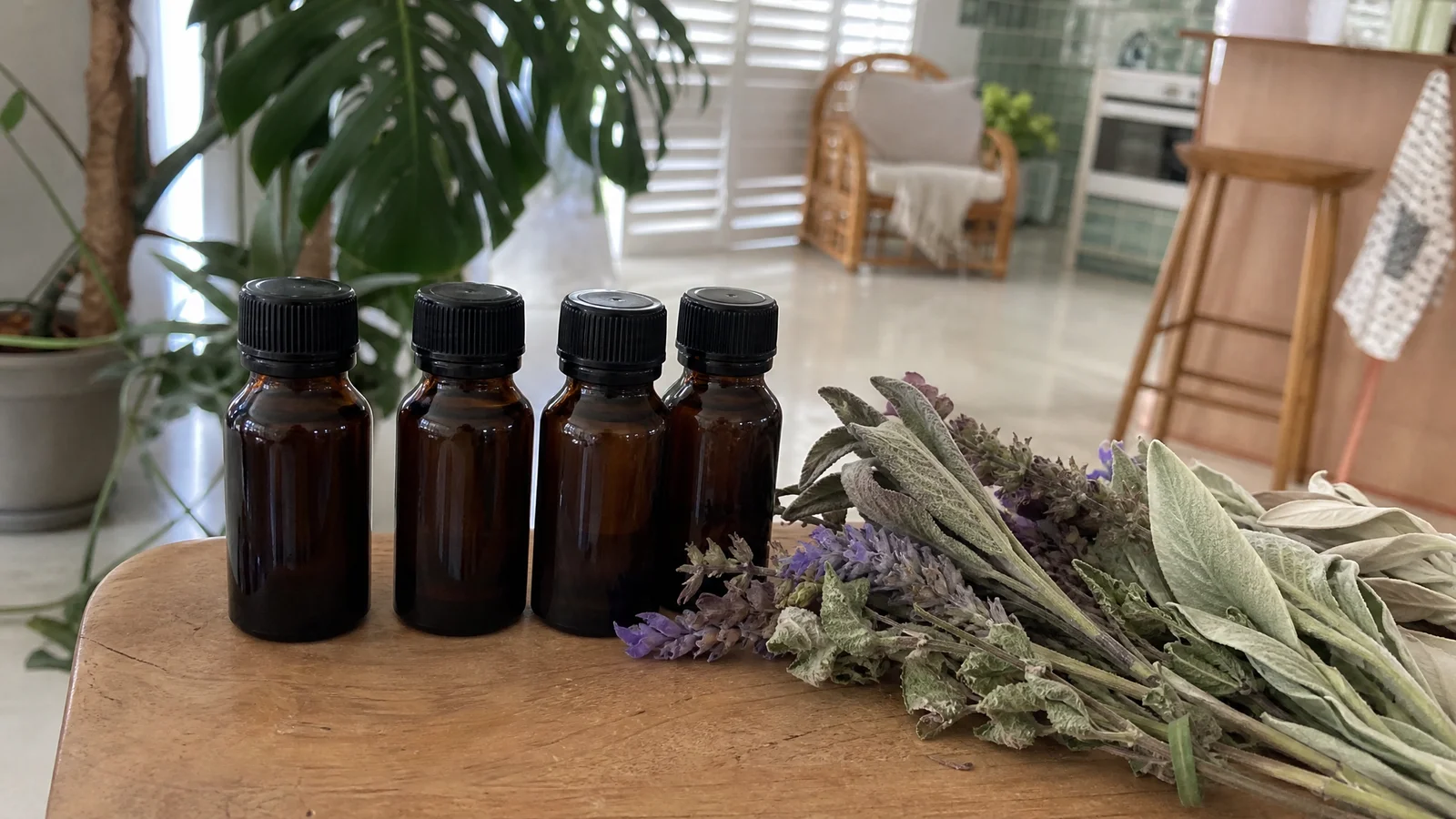
Half an ounce of sage oil is a great deal of sage. It sounds like a sample size, but it is about 15 ml, enough for roughly 300 drops of a strongly herbal oil. That is why we recommend the smallest bottle first, and why the larger sizes are for people who already know exactly what they are making.
How far a half-ounce bottle goes
We sell two listings of common garden sage oil, each in ten sizes: 0.5, 1, 2, 4, 8 and 16 oz, then 5, 25, 100 and 400 lb. Both come neat, so the dilution sum is yours. A half ounce is about 14.8 ml if you count fluid ounces, or about 15.5 ml by weight, using the density of 0.915 g/ml printed on the Certificate of Analysis we publish for one batch. Call it 15 ml. With the usual rough convention of 20 drops to the millilitre (droppers vary, so a small scale is better), that is nearly 300 drops.
Put it in kitchen terms. One drop in an ounce of carrier oil is about 0.17 percent. At that strength, a half-ounce bottle covers something like 300 one-ounce jars of body oil. Nobody needs that many, so the first bottle will outlast the first several projects, and a first bottle that is too big mostly just sits in a cupboard.
Why we start low with sage
Our guidance for skin is 0.5% to 2% in a carrier oil, with a patch test first. For sage specifically, we start lower than that, and here is the reasoning. Sage oil is rich in thujone, and the fragrance industry's thujone standard sets very small allowances for it: 0.095% thujone in a body oil or lotion applied by hand, and 0.032% in a face moisturiser (IFRA). The European food-safety authority characterised five batches of a garden sage oil at about 30.6% thujone in total (EFSA), and dividing one by the other gives roughly 0.3% oil for body use and 0.1% for a face product. That is our arithmetic, not a rule for home makers, and the standard is written for finished products from companies. Still, it is a sensible yardstick, so we start near one drop per ounce for the body, leave sage off the face, and do not treat 2% as a comfortable number.
Thujone content varies a lot between sage oils. The European Medicines Agency quotes literature ranges of 10 to 60% alpha-thujone and 4 to 36% beta-thujone (EMA/HMPC). The certificate we publish for one batch covers density, refractive index and optical rotation but gives no constituent figures. If your plans depend on a thujone number, ask us in writing through the contact page before you order. The longer version of the dilution sums is in our dilution guide.
Our position on the rest is simple: sage is not an oil for casual, generous use, it should be avoided in pregnancy and breastfeeding, kept away from children, and left alone with a seizure disorder.
What a first project really uses
Soap is a good test. Using the rinse-off allowance of 0.13% thujone and the same 30.6% figure, a kilogram of soap could carry about 4.3 g of sage oil, around 4.7 ml. One half-ounce bottle would scent roughly 3 kg of soap at that ceiling, assuming sage is the only thujone-bearing ingredient in the formula. If you are curious about the method, our melt-and-pour soap article walks through the weighing.
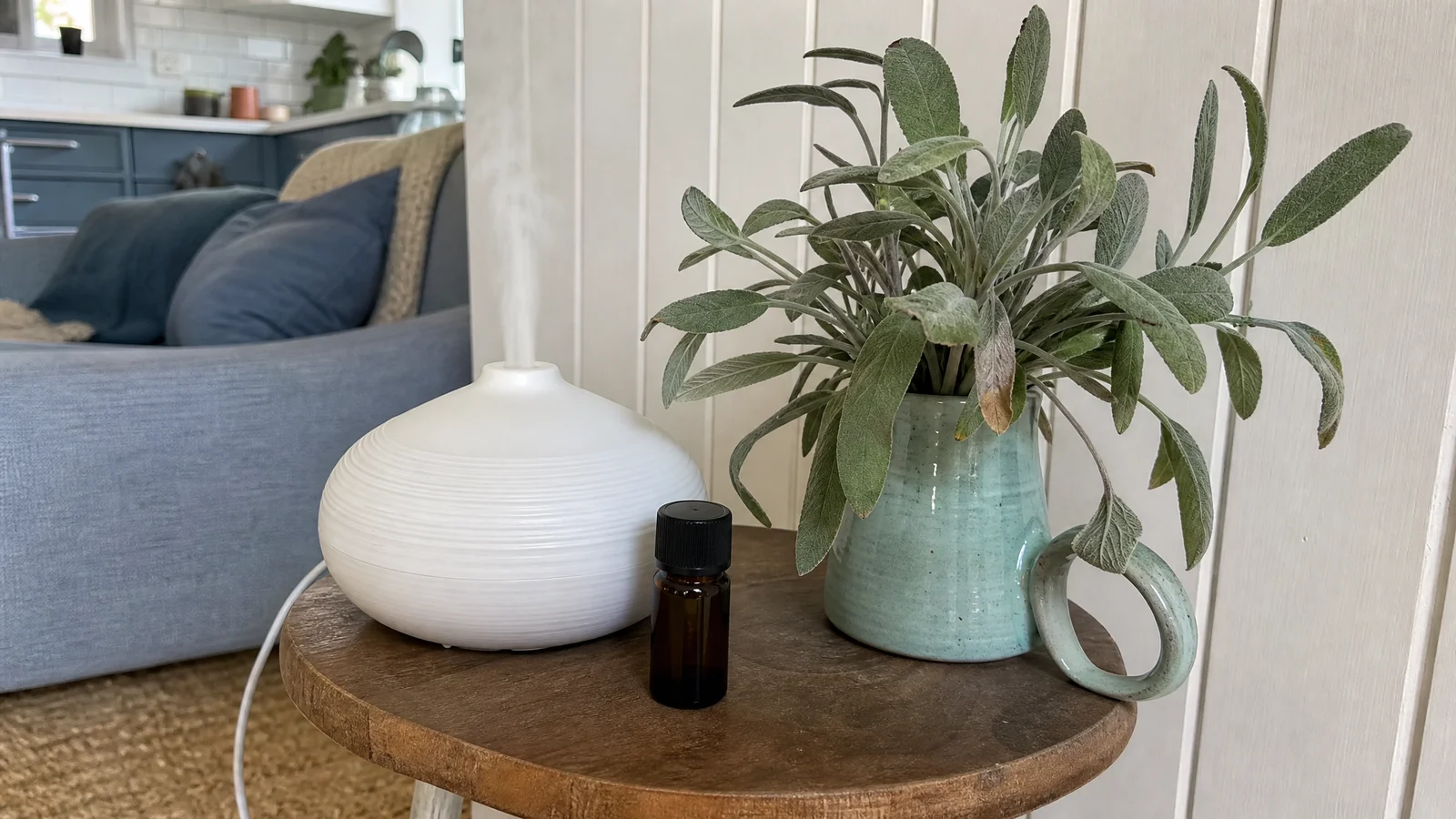
A diffuser uses even less. We ask for a lighter hand with sage than you would use with a mint or a citrus oil, and the diffuser drops article shows how few drops a room needs.
Thinking about how you will use it
A good way to decide is to picture the project in your hands. If you want to make one small jar of body oil, a handful of soaps or a bottle of room spray, a small bottle is plenty, and you will learn far more from finishing it than from owning a large one. A little oil that you reach for regularly is better than a large container that sits at the back of a cupboard.
We like to suggest a simple order of events. Smell the oil first, on its own, so you know whether the dry green character is one you enjoy. Make a small batch of whatever you have in mind. Then, only if you find yourself running out, go up a size. That order costs you very little and avoids the common trap of buying for a project you have not yet tried.
When a bigger size is the right call
Larger sizes make sense when you have settled a formula and are making it in volume, for example soaps or home-care products to sell. Our wholesale page invites buyers to order a sample bottle and evaluate it in their own product first, and we think that is the right order: trial bottle, then pail. We also offer private label, custom formulations where we can help, and quantities beyond 400 lb by contact.
Size also interacts with time. We give a typical shelf life of 2 to 3 years for sage oil kept tightly capped in a cool, dark place, so a large container should be one you expect to use within that window. The storage article covers keeping it well.
What to have on the bench
Before the first bottle arrives, set yourself up. A small scale, a few clean glass bottles, labels and a pen are all you need, and they come from a craft or supply shop, since we sell the oil only. A tidy workspace and a plan for the first batch matter more than the size of the bottle.
Choosing between the two listings
The two listings are described differently, so pick on aroma. The Botanical listing is herbaceous, earthy and camphoraceous with a dry green character, a middle note that sits well with lavender, rosemary, cedarwood and bergamot. The Purity listing is fresh, green and herbaceous with a peppery edge and soft camphor and pine undertones, a top-to-middle note. If species, paperwork or a particular specification matters to your use, ask first and decide on the answer rather than the listing name.
Whichever you choose, a small bottle, a scale and a low starting dilution give you the best first impression of what sage actually smells like when it is used with care.
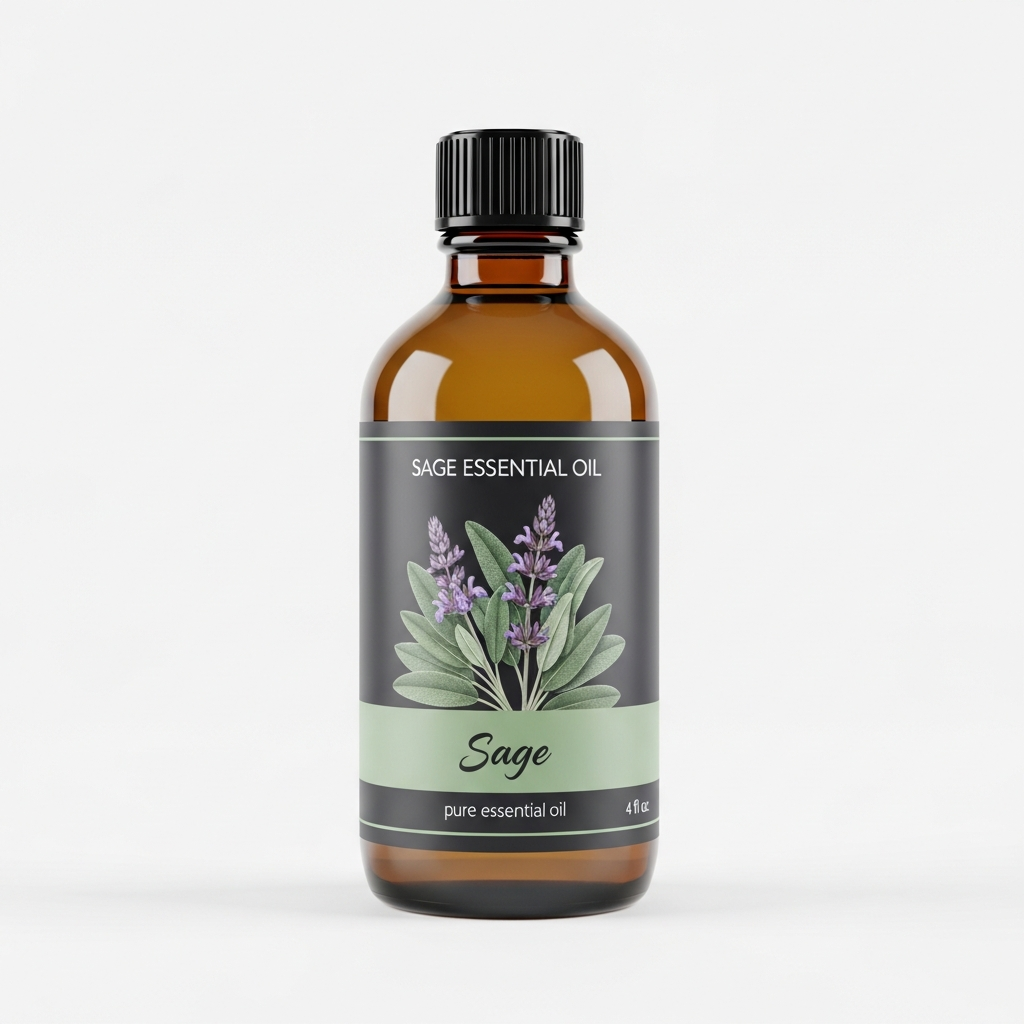
Sage Essential Oil
Sage Essential Oil from our own shop, in sizes from 0.5 oz to bulk.
From $13.99
Shop Now →Sources & Further Reading
- IFRA, Thujone, 2020 (Amendment 49), IFRA Standard
- EFSA FEEDAP Panel, 2024, Safety and efficacy of a feed additive consisting of an essential oil derived from the leaves of Salvia officinalis L. (sage oil) for use in all animal species (FEFANA asbl)
- EMA/HMPC, 2016, Assessment report on Salvia officinalis L., folium and Salvia officinalis L., aetheroleum