Garden Sage, Distilled
Sage essential oil distills the crisp, herbaceous soul of the garden herb Salvia officinalis. Clean, green, and grounding, it is a classic choice for fresh diffuser blends, home fragrance, and botanical rituals.
Melt-and-pour or cold-process, a splash of this herbaceous oil gives soap and candles a crisp garden-sage edge.
Explore →Pair sage with citrus, rosemary, or cedarwood for a green, herbal note that freshens any room.
Explore →Diluted into a carrier oil, sage adds a fresh herbal note to cleansers, toners, and massage blends.
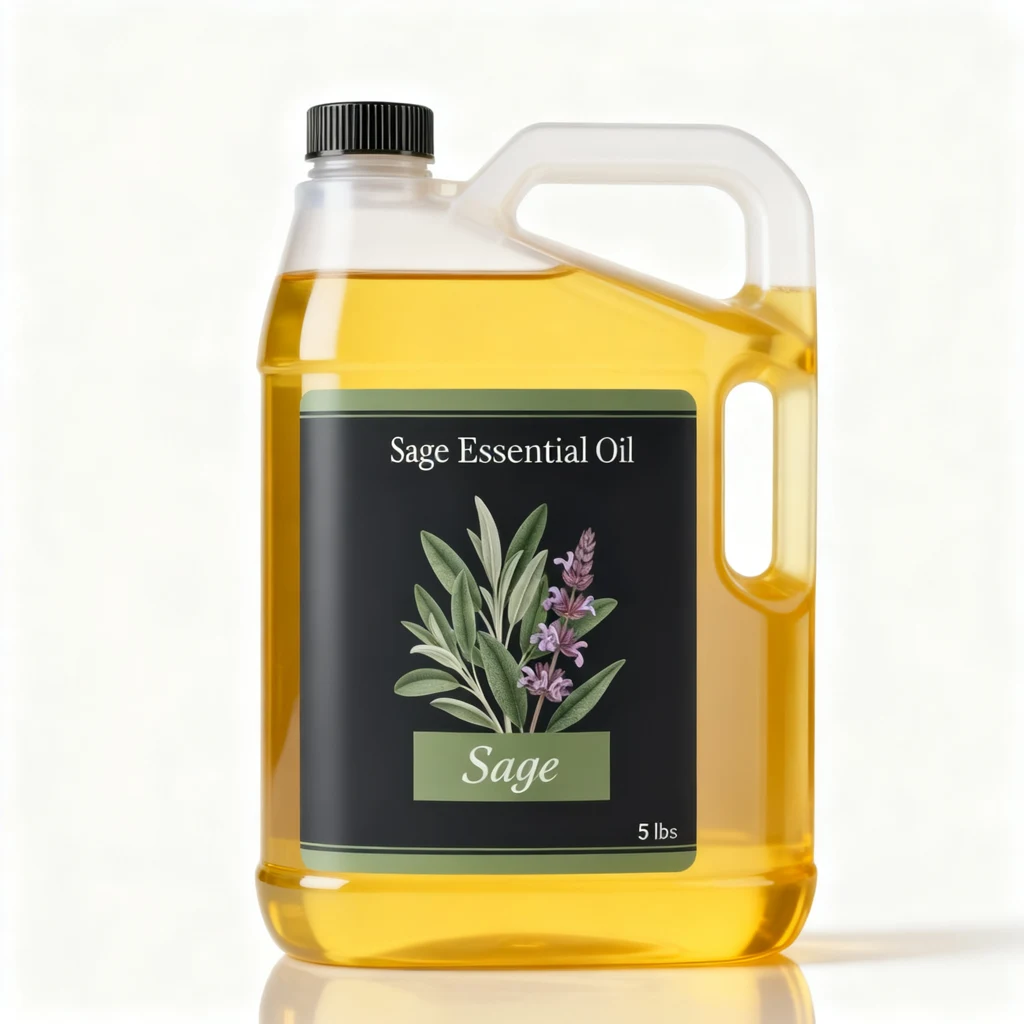
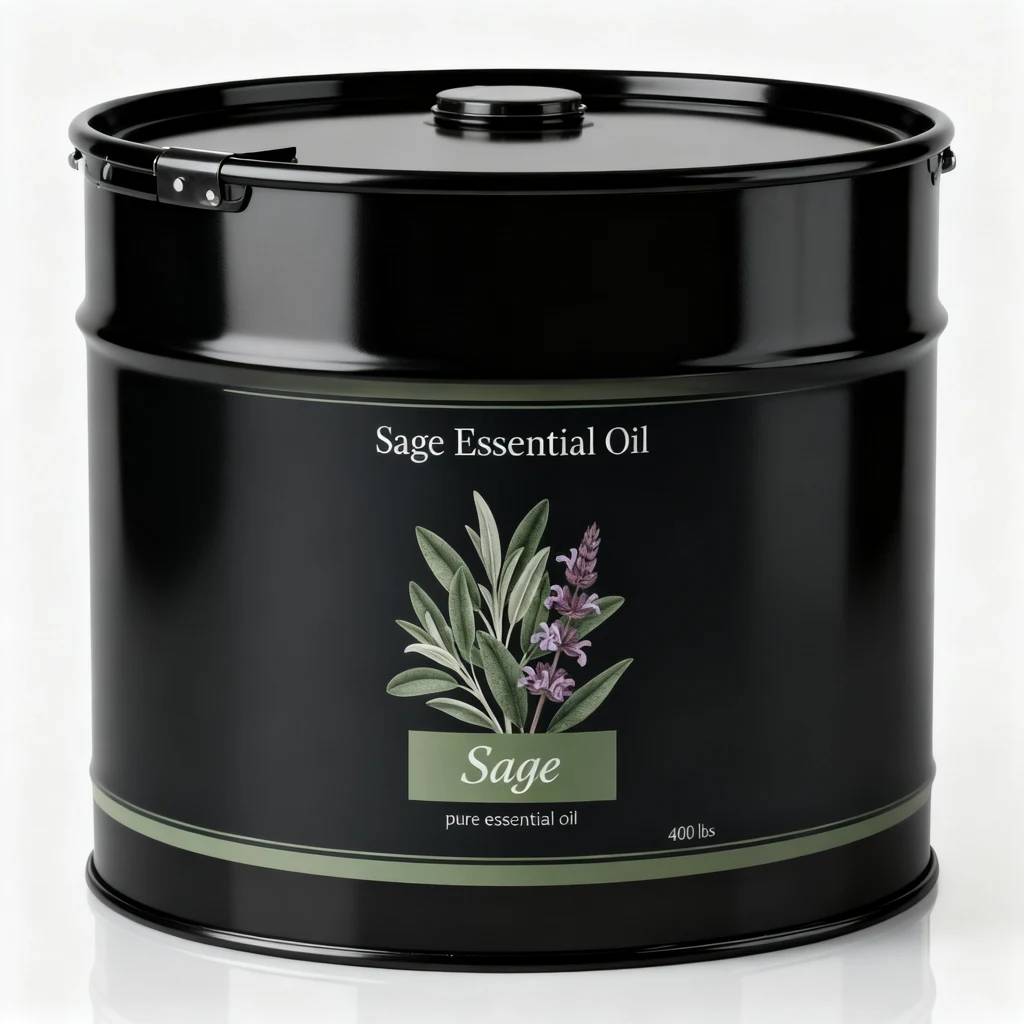
Explore →Order sage by the pound for soap runs, candle lines, or fragrance work that needs a steady supply.
Explore →
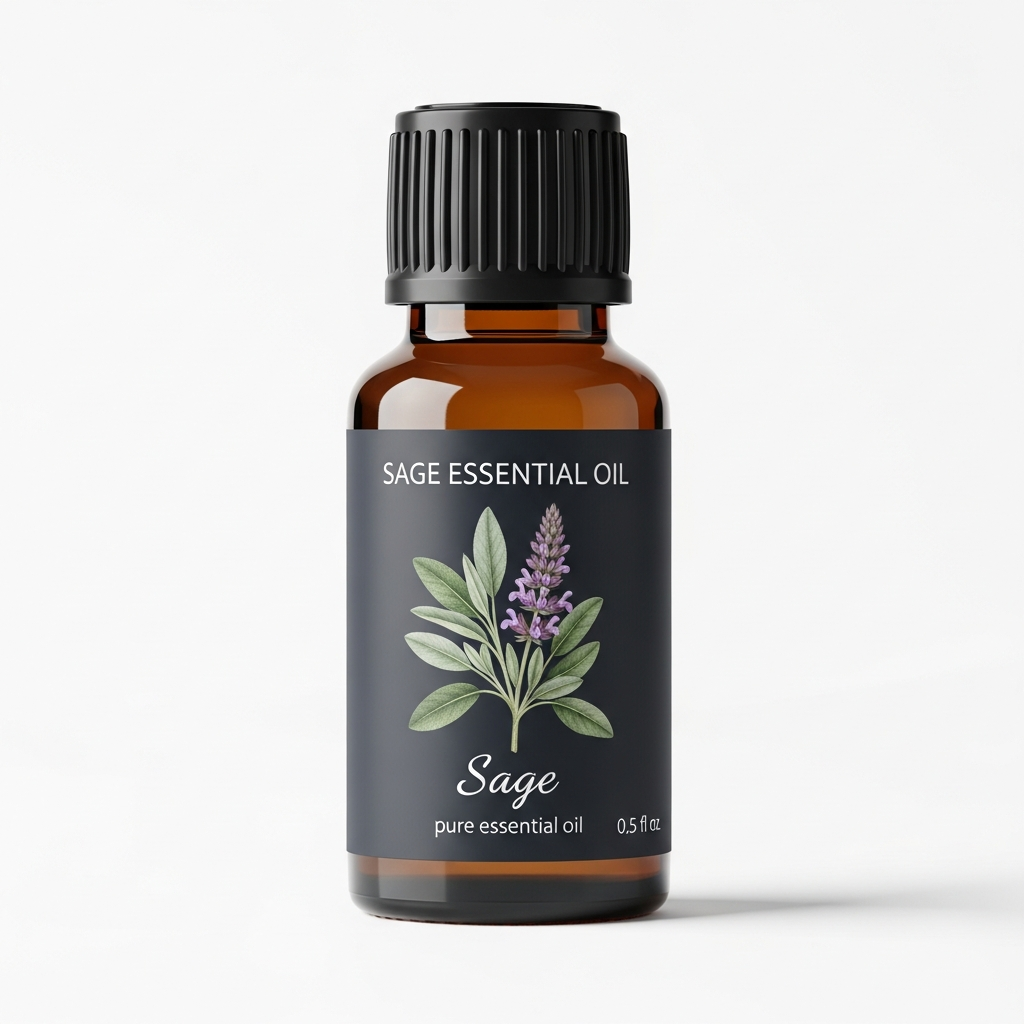
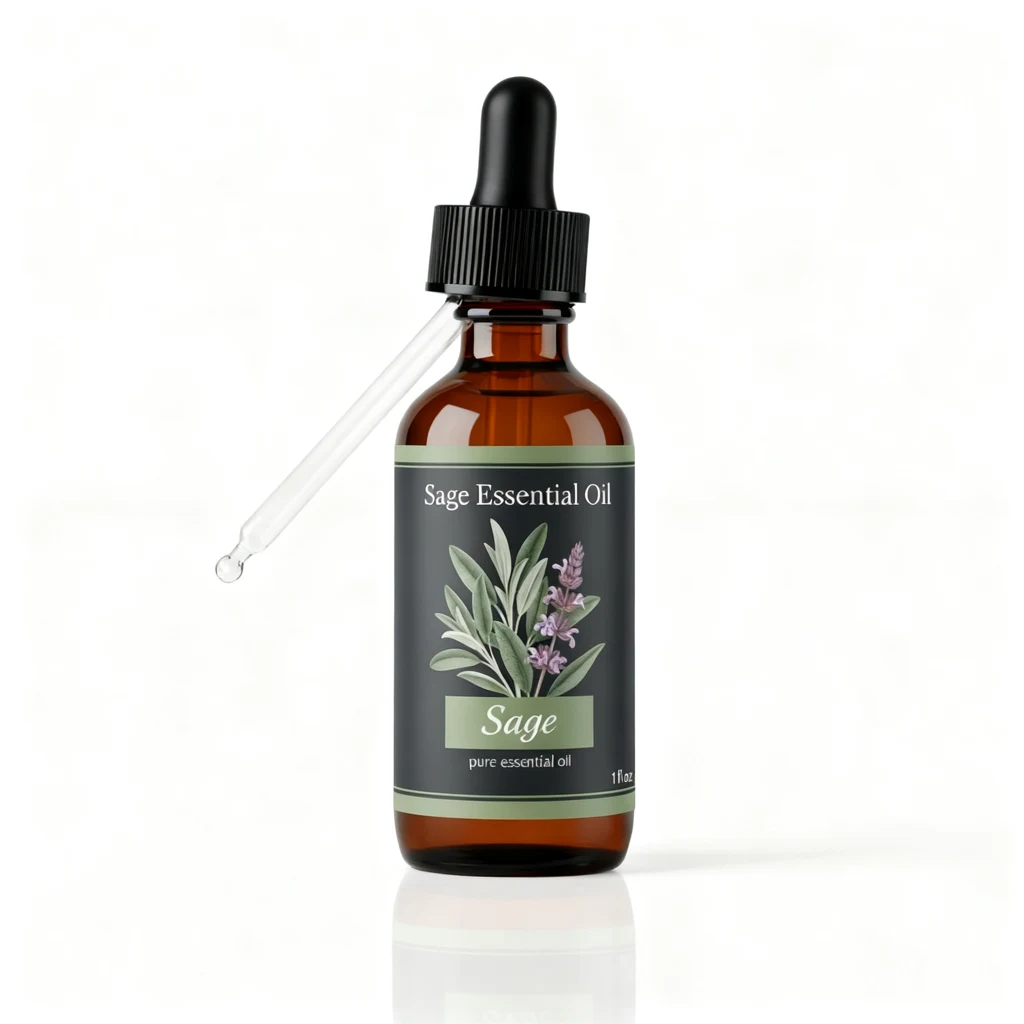
Trial Bottle
Sized for testing this herbaceous aroma in a single soap or candle batch before you commit further.
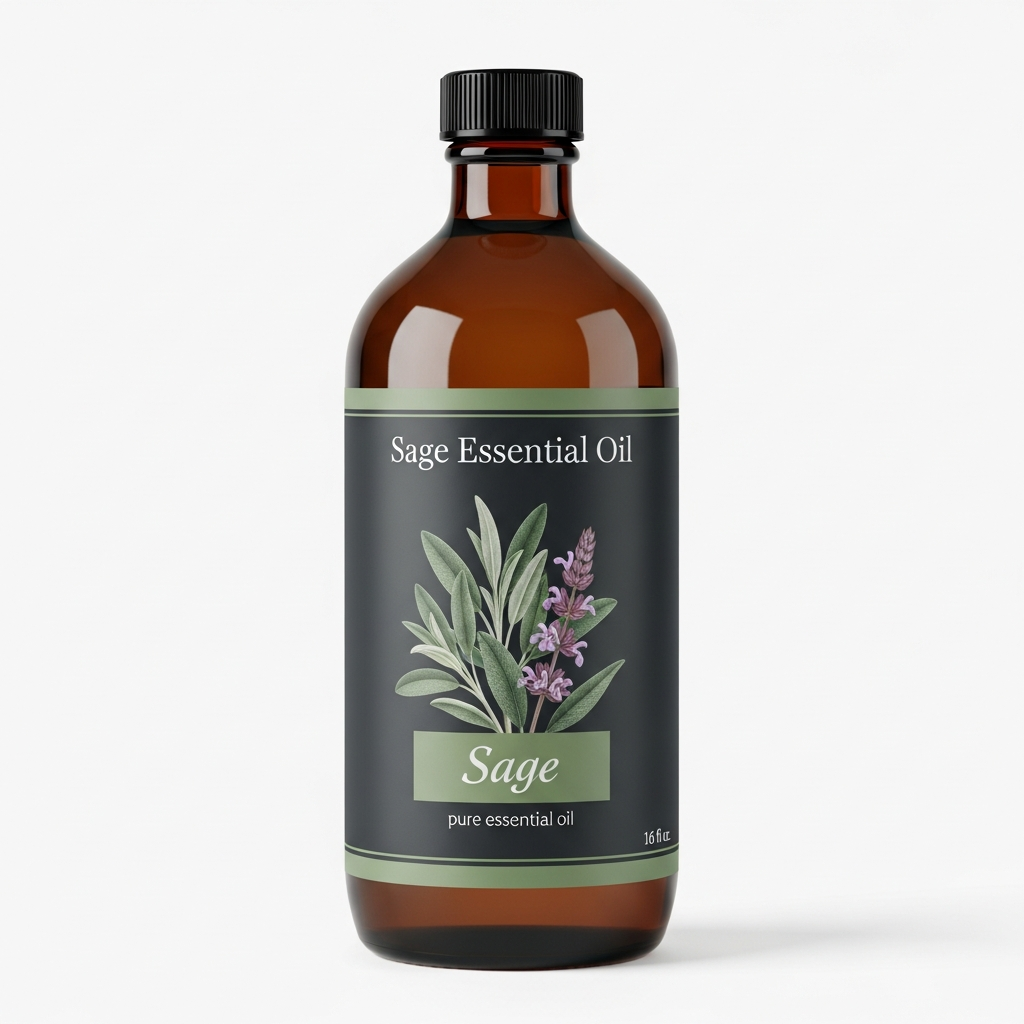
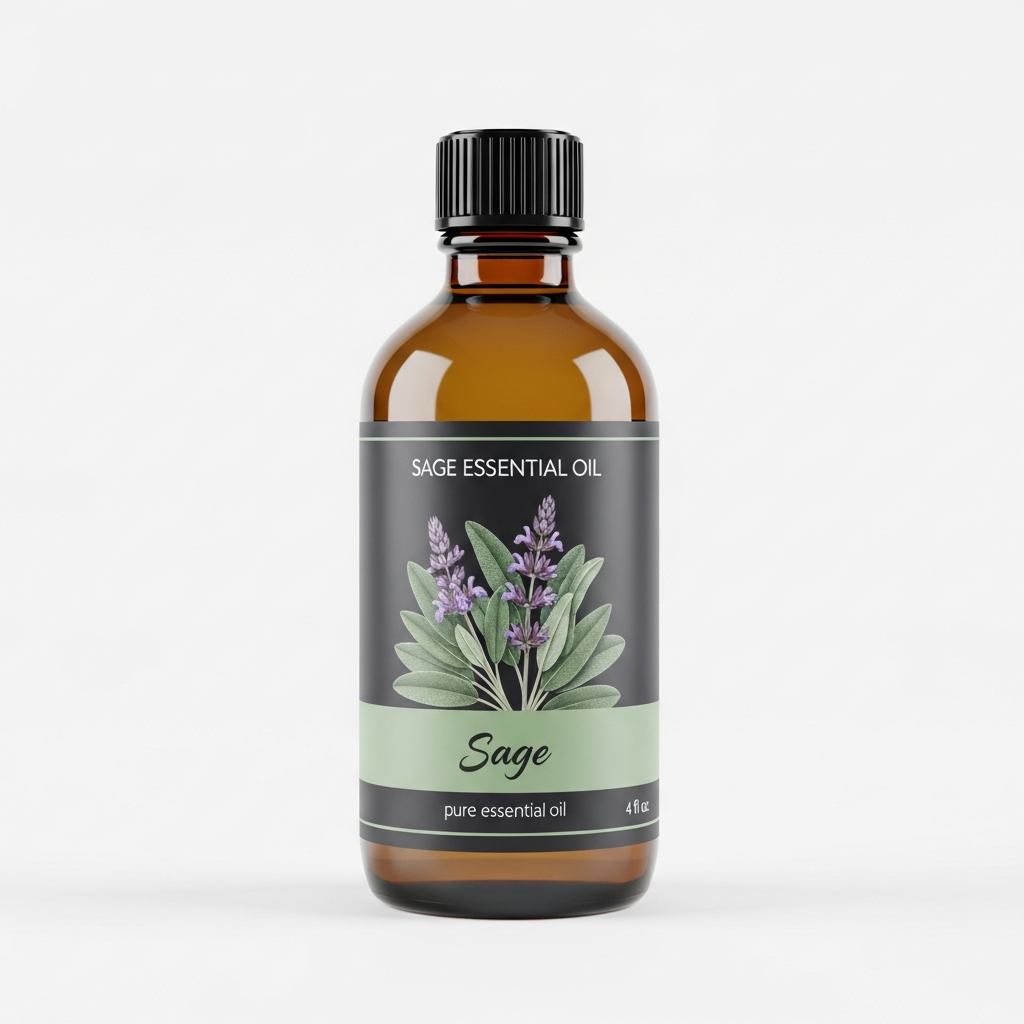
Studio Batch
Enough to run several soap or candle batches back to back and see how the scent holds up.
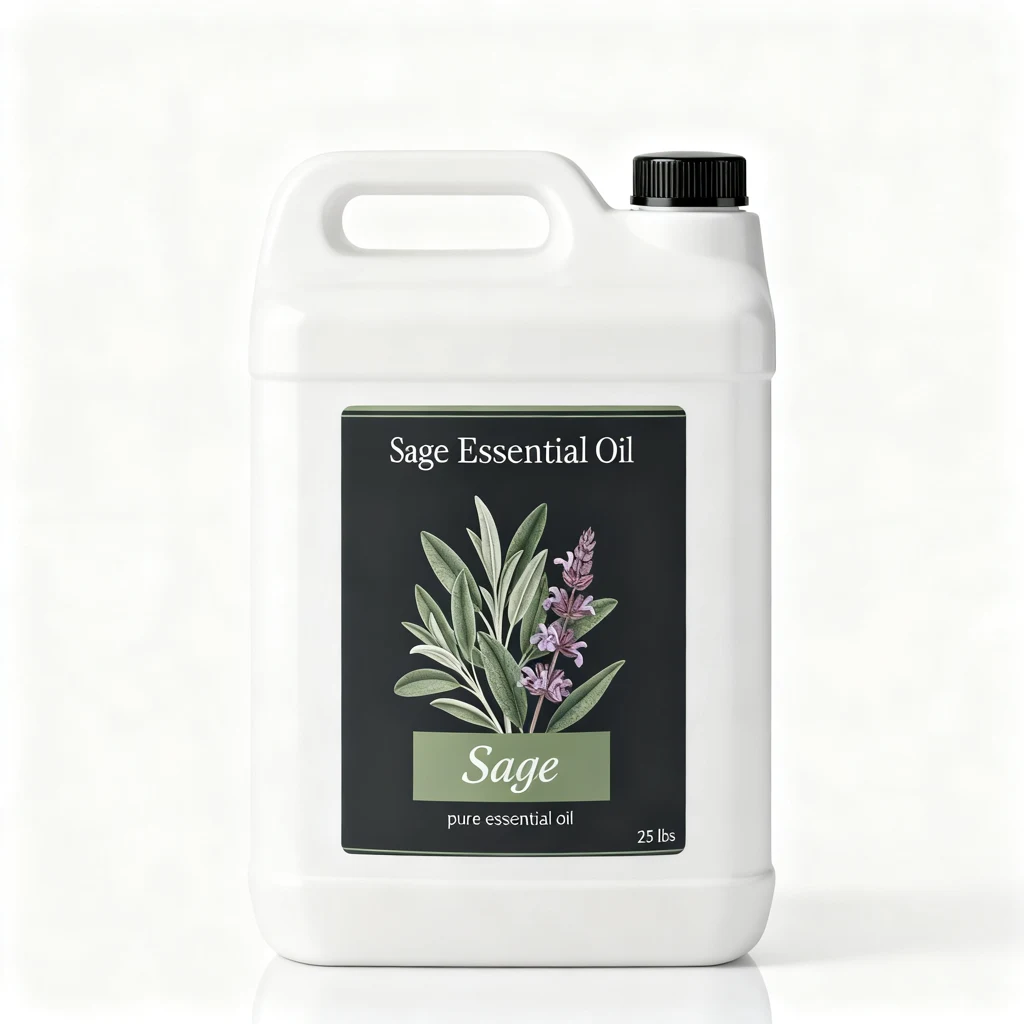
Production Start
Our first size priced for regular production, costing less per ounce than the smaller bottles above.
Sage essential oil is steam-distilled from the leaves of Salvia officinalis, the common garden sage cultivated around the Mediterranean for millennia. The silvery-green leaves are harvested and distilled to capture the herb's crisp, camphoraceous character.
The aroma is fresh, herbaceous, and slightly peppery with soft camphor and pine undertones — the unmistakable scent of a sun-warmed herb garden. It sits beautifully alongside citrus, rosemary, and cedarwood in blends.
People diffuse sage to freshen and clarify a room, add it to botanical clearing rituals, blend diluted drops into massage oils for a green herbal note, and use it to lend an earthy freshness to homemade soaps and sprays.
Field workers cut sage leaves and stems from Mediterranean plots while the oil content is at its peak.
The cut sage is sorted and left to wilt briefly so it feeds evenly into the still.
Steam passes through the leaf material, carrying its fresh, peppery aromatics into the condenser and collection vessel.
Each finished batch is sent out for lab testing, and the results become the published COA for that run.
The tested oil is filled, sealed, and stored away from heat and light until it ships to you.
Salvia officinalis is a single, identifiable species, so there is nothing to substitute or stretch it with. That makes a claim of purity something you can actually check against a real lab report, not just a label.
The current batch's certificate of analysis is published on this site, showing what our lab found in this specific run. Compare it against the bottle in your hand before you commit to a bulk order.
| Distilled Sage Oil | Synthetic Herbal Fragrance | |
|---|---|---|
| Source | Steam-distilled from real Salvia officinalis leaf | Blended from synthetic aroma chemicals |
| Aroma | Fresh, green, and herbaceous with a peppery edge | Approximates sage with a flatter, one-note smell |
| Composition | The plant's own natural aromatic compounds | Lab-built molecules designed to mimic sage |
| Documentation | Current batch COA published on this site | Typically no batch-specific testing offered |
| Best for | Makers who want a genuine botanical note | Buyers who only need a low-cost scent |
grown from Salvia officinalis alone, with nothing else blended in
the plant part we harvest and distill for every batch
the only extraction method used to capture this oil's aroma
the traditional home region of the garden sage we distill
Four hands-on projects show how soap makers, candle crafters, and blenders put this herbaceous oil into real recipes.
Soap makers, candle studios, and independent fragrance formulators order this sage oil in bulk because a single herbaceous note needs to stay consistent across hundreds of units, not just one trial batch. Our 5, 25, and 400 pound sizes come from the same distillation runs as the small bottles, so the published COA for the current batch applies no matter which size you order.
A crisp, herbaceous top note that holds up through cold-process and melt-and-pour soap batches alike.
See the guide →Blends cleanly with citrus and cedar for an earthy fragrance line, without turning cloying or sweet.
See the guide →A natural herbal accord that layers well against rosemary, cedarwood, and citrus in finished blends.
See the guide →