Sage Oil in the Diffuser: Fresh Herbal Blends for a Grounded Home
There is something immediately grounding about the scent of garden sage drifting through a room. It carries a sharpness that clears the air of stuffiness, a green earthiness that feels genuinely botanical, and just enough warmth to keep it from feeling clinical. If you have been sleeping on sage oil diffuser use, this list is your invitation to start experimenting.
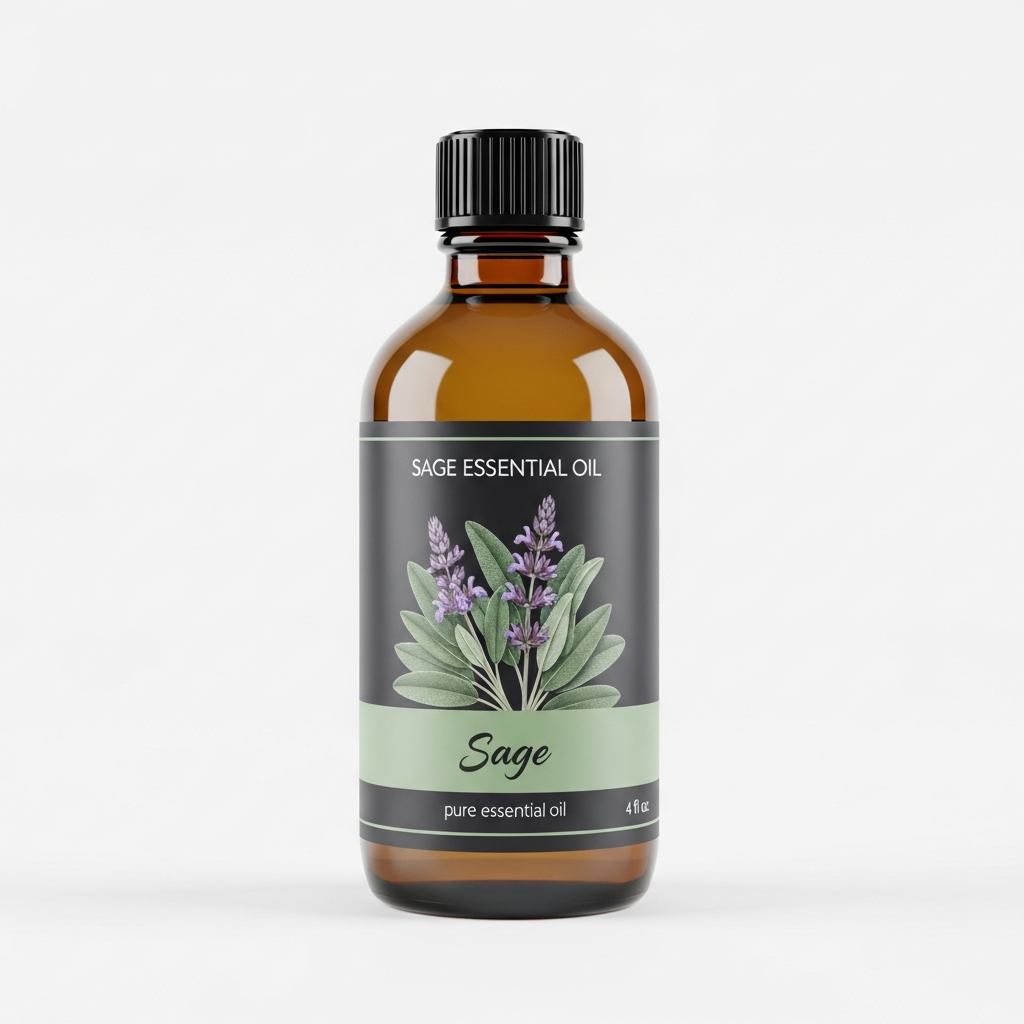
Garden sage essential oil (Salvia officinalis, steam distilled) is distinctly different from its more popular cousin, clary sage. Its aroma profile leans herbaceous, slightly camphoraceous, and dry, with an almost savory quality that blends beautifully with resins, woods, and bright citrus notes. It anchors blends in a way that lighter florals simply cannot.
Below you will find eight sage diffuser blends, each built around a specific mood or moment in the home. Every recipe includes drop counts for a standard 100 ml ultrasonic diffuser, notes on why the pairing works aromatically, and a quick practical takeaway. For a broader look at how this oil performs across different uses, visit our Sage Oil Uses: The Complete Guide for Home and Skin.
1. The Morning Reset: Sage, Grapefruit, and Peppermint
Some mornings the house just needs a reset. This bright, energizing blend uses the herbal sharpness of sage as a backbone, then layers grapefruit's effervescent citrus sweetness on top. A small amount of peppermint ties the two together with a cool, clean finish. The result is a scent that feels genuinely fresh rather than artificially cheerful.
Aromatically, the pairing works because grapefruit's top notes evaporate quickly, leaving sage and peppermint to carry the middle and base of the blend. You get about 30 to 40 minutes of changing character from this one, which keeps it interesting without becoming fatiguing.
Recipe (100 ml diffuser): 4 drops sage, 4 drops grapefruit, 2 drops peppermint.
Practical takeaway: Run this blend for the first hour of your morning routine, then let the room air out before switching to something softer. Peppermint can feel overpowering in smaller rooms if diffused continuously.
2. The Desk Companion: Sage, Rosemary, and Lemon
Rosemary and sage are botanical neighbors, both in the Lamiaceae family, and their scent profiles reflect that relationship. Together they create a dense, green-herbal atmosphere that many people associate with focused, productive spaces. Lemon lifts the combination and prevents it from feeling heavy.
This is one of the more popular herbal diffuser recipes for home offices because neither sage nor rosemary is particularly sweet or distracting. The scent stays in the background rather than demanding attention. It is worth noting that rosemary essential oil has a strong camphoraceous quality, so if your sage oil already reads very camphorous on your skin, reduce the rosemary slightly.
Recipe (100 ml diffuser): 3 drops sage, 3 drops rosemary, 4 drops lemon.
Practical takeaway: Keep diffusion sessions to 30 to 60 minutes when using rosemary. Fresh air breaks between sessions help maintain the blend's clarity and prevent olfactory fatigue.
3. The Evening Wind-Down: Sage, Cedarwood, and Vetiver
This blend moves in an entirely different direction from the bright morning recipes. Cedarwood brings a dry, woody warmth, and vetiver adds a smoky, earthy depth that feels genuinely grounding. Sage sits in the middle, its herbal clarity stopping the blend from becoming too heavy or resinous.
The combination is well suited to quiet evenings at home. The proportions matter here: vetiver is exceptionally dense and viscous, and even one extra drop can shift the whole blend into something that feels more like incense than a light atmospheric scent. Start conservatively and adjust over a few sessions until you find your preferred balance.
Recipe (100 ml diffuser): 4 drops sage, 4 drops cedarwood, 2 drops vetiver.
Practical takeaway: Warm your vetiver bottle briefly in your hands before dropping. Cold vetiver barely moves, and you risk dispensing an uneven amount. A warm bottle makes the drops far more predictable.
4. The Kitchen Refresh: Sage, Lemon Eucalyptus, and Lime
Cooking smells linger. This crisp, citrus-forward blend cuts through residual food odors in a way that feels natural rather than like you have sprayed synthetic air freshener. Sage has an inherently clean, green quality that complements lemon eucalyptus without competing with it. Lime adds a sharper, juicier citrus note on top.
Lemon eucalyptus (Eucalyptus citriodora) is worth distinguishing from standard eucalyptus here. It has a lemony, slightly floral character that reads less medicinal and more bright. Paired with sage, it creates something that smells genuinely herbal and fresh, like a well-stocked kitchen garden rather than a cleaning product.
Recipe (100 ml diffuser): 3 drops sage, 4 drops lemon eucalyptus, 3 drops lime.
Practical takeaway: Run this blend while cooking or immediately after. Citrus top notes dissipate within 20 to 30 minutes, so it is most effective as a short, targeted diffusion rather than a long background session.
5. The Herbal Library: Sage, Frankincense, and Black Pepper
This is a more contemplative blend. Frankincense brings a soft, slightly sweet resinous quality that slows the overall scent profile down, encouraging the herbal sharpness of sage to settle into something more introspective. Black pepper adds a dry, spicy warmth in the background without dominating.
The combination works especially well in living rooms or reading spaces during cooler months. Frankincense and sage have a long history in aromatic traditions around the world, and their pairing feels intuitive even to people who cannot immediately identify the individual components. Many visitors simply describe this blend as "interesting" or "earthy."
Recipe (100 ml diffuser): 4 drops sage, 4 drops frankincense, 2 drops black pepper.
Practical takeaway: This blend improves with a slightly longer diffusion session, around 60 to 90 minutes, because frankincense and vetiver are slower to volatilize. The scent deepens and becomes more complex as it develops in the room.
6. The Garden Room: Sage, Lavender, and Geranium
For rooms that need something softer, this floral-herbal blend balances sage's savory dryness with lavender's gentle sweetness and geranium's rosy, green brightness. It is the kind of scent that makes a sunroom or a room with a lot of plants feel completely cohesive with its surroundings.
Geranium is an interesting partner for sage because its rose-like quality provides floral softness without the heaviness of actual rose absolute. It also shares some green, herbal characteristics with sage, so the transition between the two is smooth rather than jarring. Lavender bridges the gap between all three, as it tends to do in almost every blend it joins.
For an even deeper look at how sage pairs with lavender and other popular companion oils, the article 10 Sage Oil Blends: Citrus, Cedar, and Lavender Pairings covers a wider range of combinations with detailed scent notes.
Recipe (100 ml diffuser): 3 drops sage, 4 drops lavender, 3 drops geranium.
Practical takeaway: This is one of the most crowd-friendly blends on the list. If you are hosting and want an atmospheric scent that will not polarize guests, this combination tends to read as pleasant and familiar to almost everyone.
7. The Winter Fireside: Sage, Clove, and Orange
Cold-weather diffusing calls for something with warmth and body. Clove bud essential oil is potent and spicy, with a rich, almost festive character. Orange softens clove's intensity and adds sweetness. Sage cuts through both with its dry herbal note, keeping the blend from tipping into something that smells purely like baked goods or potpourri.
One important note: clove bud essential oil is considered a potential skin sensitizer at higher concentrations, so this recipe is strictly for diffusion, not topical use. In the diffuser, the concentration is low enough that the warming, spiced atmosphere is simply pleasant. Use it sparingly, as clove is one of the more assertive essential oils available.
Recipe (100 ml diffuser): 4 drops sage, 2 drops clove bud, 4 drops sweet orange.
Practical takeaway: Keep clove to two drops maximum in a 100 ml diffuser. It is genuinely easy to over-pour, and the result can become headache-inducing rather than cozy. Less is more with this one.
8. The Clean Linen: Sage, Bergamot, and Palmarosa
This final blend is lighter and airier than most of the others. Bergamot brings its signature citrus-floral character, both fresh and slightly sweet, while palmarosa adds a soft, grassy rose quality that reads clean rather than perfumey. Sage anchors both without pulling the blend in a herbal direction.
The combination is particularly lovely in bedrooms or bathrooms. It has a quality that many people describe as "freshly laundered," which is a difficult scent to achieve without synthetic fragrance oils. The key is keeping the sage proportion modest so it plays a supporting role rather than a leading one.
If you are exploring sage oil use beyond the diffuser, including scalp massage and hair rinse applications, the guide on Sage Oil for Hair: Herbal Scalp Massage and Rinse Ideas is a natural next step.
Recipe (100 ml diffuser): 3 drops sage, 4 drops bergamot, 3 drops palmarosa.
Practical takeaway: Bergamot is photosensitizing when applied to skin, but in diffuser use this is not a concern. However, if you are also blending it into a body oil or lotion, always use bergapten-free (FCF) bergamot for any skin applications.
A Few General Notes on Sage Oil Diffuser Use
Garden sage essential oil (Salvia officinalis) contains significant amounts of thujone, a naturally occurring ketone that warrants some attention. Always diffuse sage in a well-ventilated room rather than a sealed, small space. Shorter diffusion sessions of 30 to 60 minutes with breaks are preferable to continuous all-day use.
Sage essential oil is not recommended for use around young children, during pregnancy, or around pets without first consulting a qualified healthcare provider. When in doubt, opt for clary sage (Salvia sclarea), which has a gentler, more musky-sweet profile and a different chemical composition.
Quality sourcing makes a real difference with sage oil. Look for suppliers who provide GC/MS (gas chromatography/mass spectrometry) testing results, clearly state the botanical name (Salvia officinalis), and note the country of origin. Mediterranean-grown sage from Spain, France, or Dalmatia is widely considered reliable for aromatic quality and consistent chemical profiles.
The eight blends above are starting points, not fixed formulas. Adjust ratios over a few sessions based on the specific oils you have, the size and ventilation of your room, and your own scent preferences. Good diffuser blending is part recipe-following and part personal calibration. Keep a small notebook nearby and jot down what you adjusted and why. Over time, you will build an intuitive sense for how these herbal profiles interact, and creating your own original herbal diffuser recipes will start to feel natural.