Sage Oil for Hair: Herbal Scalp Massage and Rinse Ideas
Garden sage essential oil has been a fixture in botanical hair care for generations. Its green, slightly camphoraceous scent is grounding and distinctive, and its rich natural chemistry makes it a genuinely interesting addition to a scalp-focused hair routine. If you've been curious about working sage oil into your wash-day rituals, this guide walks through two approachable methods: a pre-wash scalp massage and an herbal hair rinse you can prepare at home.
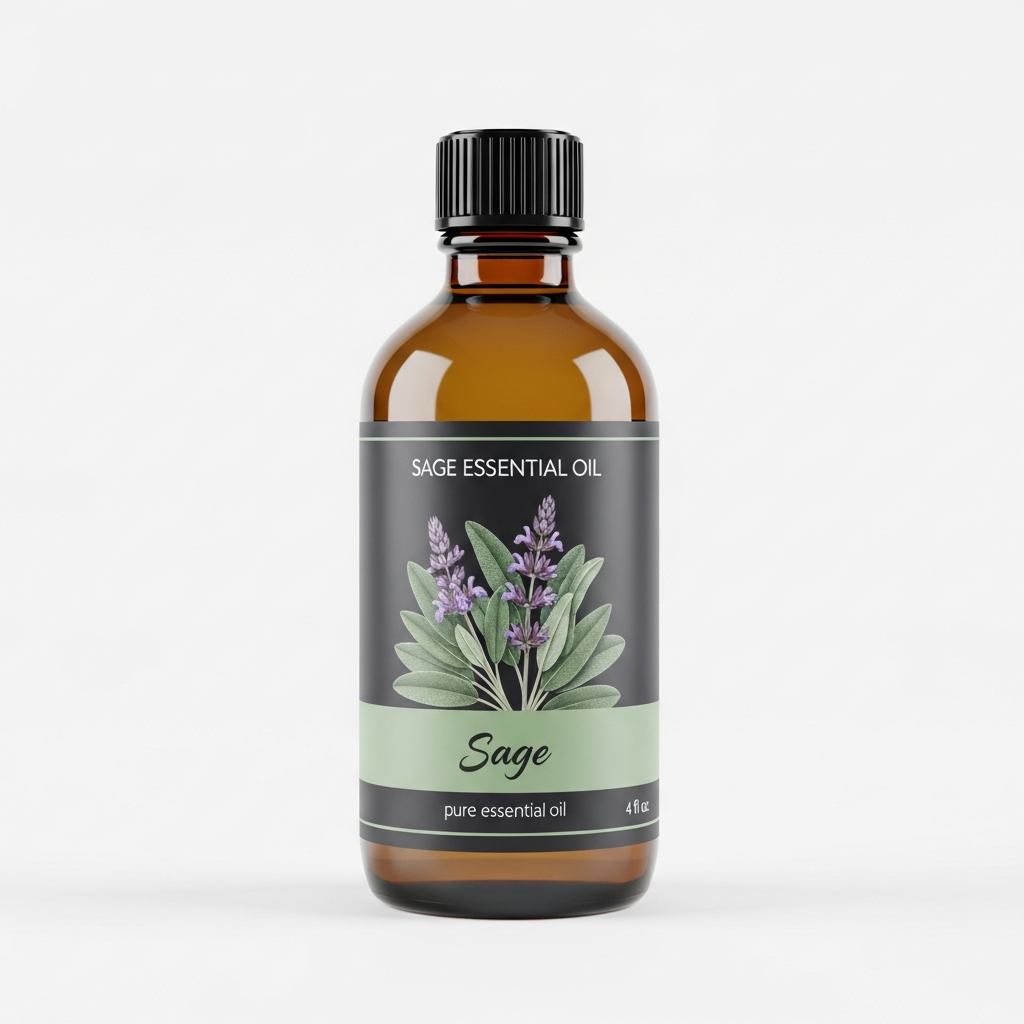
Before diving in, one important note: sage essential oil is potent. It must always be diluted in a carrier oil or water-based medium before contact with skin or scalp. Undiluted essential oils can cause irritation, and sage oil in particular should be used with care. Always do a patch test before a full application, and consult a qualified healthcare provider if you have any concerns about your scalp health. Sage oil is not appropriate for use during pregnancy.
Why Sage Oil Belongs in Your Hair Ritual
Garden sage (Salvia officinalis) essential oil is steam-distilled from the flowering tops and leaves of the sage plant. The resulting oil carries a complex scent profile: sharp and herbaceous upfront, with softer, slightly earthy undertones that develop as it dries down. In the context of hair care, that scent alone makes it a pleasure to work with.
Beyond fragrance, sage oil is rich in compounds like camphor, 1,8-cineole, and various terpenes. Some research suggests these constituents may interact with the scalp environment in ways that support freshness and balance. People who use sage oil regularly in scalp massage routines often report a cleaner-feeling scalp between washes and a sense of invigoration during application.
For a broader look at how this oil fits into your overall botanical collection, the complete guide to sage oil uses for home and skin is a good starting point. And if you're already using sage oil in your skincare routine, you'll find the hair applications feel like a natural extension of that practice.
Method One: Sage Oil Scalp Massage
A scalp massage with diluted sage essential oil is best done 30 to 60 minutes before shampooing. This gives the oil time to sit on the scalp without leaving a heavy residue in your finished style.
What You'll Need
- 2 tablespoons of a lightweight carrier oil (jojoba, grapeseed, or fractionated coconut oil all work well)
- 4 to 6 drops of sage essential oil (distilled from Salvia officinalis)
- A small glass bowl or dark glass dropper bottle for mixing
- A fine-tooth comb or rat-tail comb for parting
- An old towel or hair clip to keep oil off clothing
At 4 to 6 drops per 2 tablespoons of carrier, you're working at roughly a 1 to 1.5% dilution, which is appropriate for scalp application. Do not exceed 3% dilution on scalp skin. Less is genuinely more with sage oil.
Step-by-Step Instructions
- Mix your blend. Combine the carrier oil and sage essential oil in your small bowl. Stir gently with a clean spoon or swirl the bottle to combine. Smell the blend: it should be pleasantly herbal, not sharp or overpowering. If it smells too strong, add another half-tablespoon of carrier oil.
- Patch test first. Apply a small amount of the diluted blend to the inside of your elbow or behind your ear. Wait 24 hours. If you notice redness, itching, or irritation, do not proceed with the scalp application and consider a lower dilution.
- Section your hair. Use your comb to create a center part, then divide your hair into four sections: two in front, two in back. Clip or loosely tie each section out of the way so you have clear access to your scalp.
- Apply the blend. Dip your fingertips lightly into the oil, then dab small amounts directly onto your scalp along each part line. Work in rows, moving the part about an inch at a time. You don't need to saturate the scalp; a thin, even layer across the full scalp is the goal.
- Massage gently. Using the pads of your fingers (not your nails), work in small circular motions across your entire scalp for 5 to 10 minutes. Take your time. Move methodically from the front hairline to the nape of your neck, then across the sides. This motion may help distribute the blend evenly and supports circulation in the scalp.
- Sit and wait. Cover your hair loosely with a shower cap or wrap your head in a warm towel for 30 to 60 minutes. The warmth can help the carrier oil absorb more comfortably into the scalp.
- Shampoo thoroughly. Wash your hair as normal. You may need two rounds of shampoo to remove all the carrier oil, especially if you used coconut oil. Follow with your usual conditioner, focusing on the mid-lengths and ends.
Tips and Common Mistakes
- Don't use too much carrier oil. A common mistake is over-applying, which results in a greasy scalp that requires three rounds of shampooing. Two tablespoons is typically enough for medium-length hair. For very long or thick hair, increase to 3 tablespoons, adjusting your sage drops proportionally.
- Don't skip the patch test. Sage oil contains camphor, which can be sensitizing for some individuals. Even if you've used other essential oils without issue, patch test sage oil specifically.
- Choose the right carrier. Jojoba oil closely mimics the scalp's natural sebum and rinses cleanly. It's a good default. Heavier oils like castor oil will require extra shampooing and are best reserved for ends-only treatments.
- Be consistent. People who report the most noticeable results use this kind of scalp massage once a week over several weeks. A single application is pleasant, but a regular ritual tends to yield more observable differences in how the scalp feels between washes.
Method Two: Herbal Hair Rinse with Sage Oil
An herbal hair rinse is a liquid you pour over your hair after shampooing and conditioning, before your final rinse or in place of it. This method works especially well for people who want the scent of sage without applying oils directly to the scalp.
You can make a sage rinse using brewed sage-leaf tea, with a few drops of sage essential oil dispersed into the liquid. Because essential oils don't dissolve in water, a small amount of a dispersing agent (like a fragrance-free castile soap or a tiny amount of vegetable glycerin) helps distribute the oil evenly throughout the rinse.
What You'll Need
- 2 cups of filtered or distilled water
- 2 tablespoons of dried garden sage leaves (or 4 fresh sage leaves)
- 3 to 4 drops of sage essential oil
- 1 teaspoon of vegetable glycerin or fragrance-free liquid castile soap (as a dispersant)
- 1 tablespoon of apple cider vinegar (optional, helps smooth the hair cuticle)
- A small saucepan
- A fine mesh strainer or cheesecloth
- A clean glass jar or squeeze bottle for storage
Step-by-Step Instructions
- Brew the sage tea. Bring 2 cups of water to a gentle boil. Remove from heat, add your dried or fresh sage leaves, and cover the pot. Let it steep for 15 to 20 minutes. The resulting liquid should be a pale golden green with a light herbal scent.
- Strain and cool. Pour the tea through your strainer into a clean bowl, removing all plant material. Allow the liquid to cool completely before adding the essential oil. Adding essential oil to very hot water accelerates evaporation and wastes the oil.
- Combine your dispersant and essential oil. In a small cup, mix the vegetable glycerin (or castile soap) with your 3 to 4 drops of sage essential oil. Stir well to pre-combine them before adding to the tea. This step is important: skipping it means the essential oil will float on the surface of the rinse rather than dispersing evenly.
- Add optional apple cider vinegar. If you're using it, stir the tablespoon of apple cider vinegar into the cooled tea at this stage. The mild acidity may help smooth the hair cuticle and add shine.
- Combine everything. Pour your oil-glycerin mixture into the cooled sage tea and stir well. Transfer to your clean jar or squeeze bottle.
- Apply after conditioning. In the shower, after shampooing and conditioning, tilt your head back and slowly pour the rinse over your scalp and hair, working it through with your fingers. Let it sit for 1 to 2 minutes.
- Rinse out (or leave in). You can rinse this out with cool water for a lighter result, or leave it in for a more pronounced scent and conditioning effect. If you leave it in, note that the apple cider vinegar scent dissipates as hair dries.
Storage and Shelf Life
Because this rinse contains no preservatives, store it in the refrigerator and use within 5 to 7 days. If you notice any cloudiness, off smell, or changes in color, discard and make a fresh batch. For a longer shelf life, you can omit the sage tea base entirely and use distilled water only, which extends usability to about two weeks when refrigerated.
Tips and Common Mistakes
- Don't use tap water if possible. Chlorine in tap water can interact with both the essential oil and the plant compounds in the tea. Distilled or filtered water gives you a cleaner base.
- Don't overdo the essential oil. Three to four drops in 2 cups of liquid is already a very light concentration. More does not equal better results, and higher concentrations of sage oil in a leave-in product raise the risk of scalp sensitivity.
- Shake before each use. Even with a dispersant, some separation may occur in the bottle between uses. Give it a good shake immediately before applying.
- Watch the scent on fine hair. Sage oil has a moderately strong scent. On very fine or porous hair, it can linger more than expected. If you find the herbal note too present in your dried style, do a final rinse with plain cool water to soften it.
Choosing Quality Sage Essential Oil
The quality of your sage oil matters more than most people realize. Look for oils that clearly state Salvia officinalis as the botanical name, list a country of origin (Spain, Croatia, and Albania are major producers of quality garden sage oil), and come in dark amber or cobalt glass bottles. Avoid any oil sold in clear plastic packaging, which degrades oil quality over time.
GC/MS testing (gas chromatography and mass spectrometry) reports from the supplier are a good sign that the oil has been verified for composition and purity. Reputable botanical suppliers will make these available on request or post them publicly.
Sage oil pairs naturally with a lot of other areas of home and personal care. If you're interested in extending your use of it beyond hair, explore how it fits into sage oil for skin and cleansing routines, or discover how its fresh green scent translates surprisingly well into kitchen sprays and natural home cleaning blends.
What to Realistically Expect
After one or two sage oil scalp massages or herbal rinses, people commonly report a heightened sense of scalp freshness, a pleasant lingering scent, and hair that feels clean and light. Some notice their scalp feels less oily between washes after several weeks of consistent use, though individual results vary considerably based on hair type, scalp condition, and how the routine fits into overall wash habits.
These are cosmetic and aromatic benefits. Sage oil is not a substitute for medical attention if your scalp needs it. If you're dealing with any persistent scalp concerns, a dermatologist is the right first call.
What a well-sourced sage oil can genuinely offer is a sensory ritual that feels considered and grounded. The scent is unmistakable, the application process invites you to slow down, and the results are satisfying in a quiet, cumulative way. That's worth building into a routine.