Sage Oil for Skin: Fresh Herbal Notes in Your Cleansing Routine
Garden sage essential oil has a clean, slightly camphoraceous scent that feels grounding without being heavy. If you have ever rubbed a fresh sage leaf between your fingers and taken a slow breath, you already have a sense of what this oil brings to a skincare ritual. It is distinctive, earthy, and quietly sophisticated in a way that many floral oils simply are not.
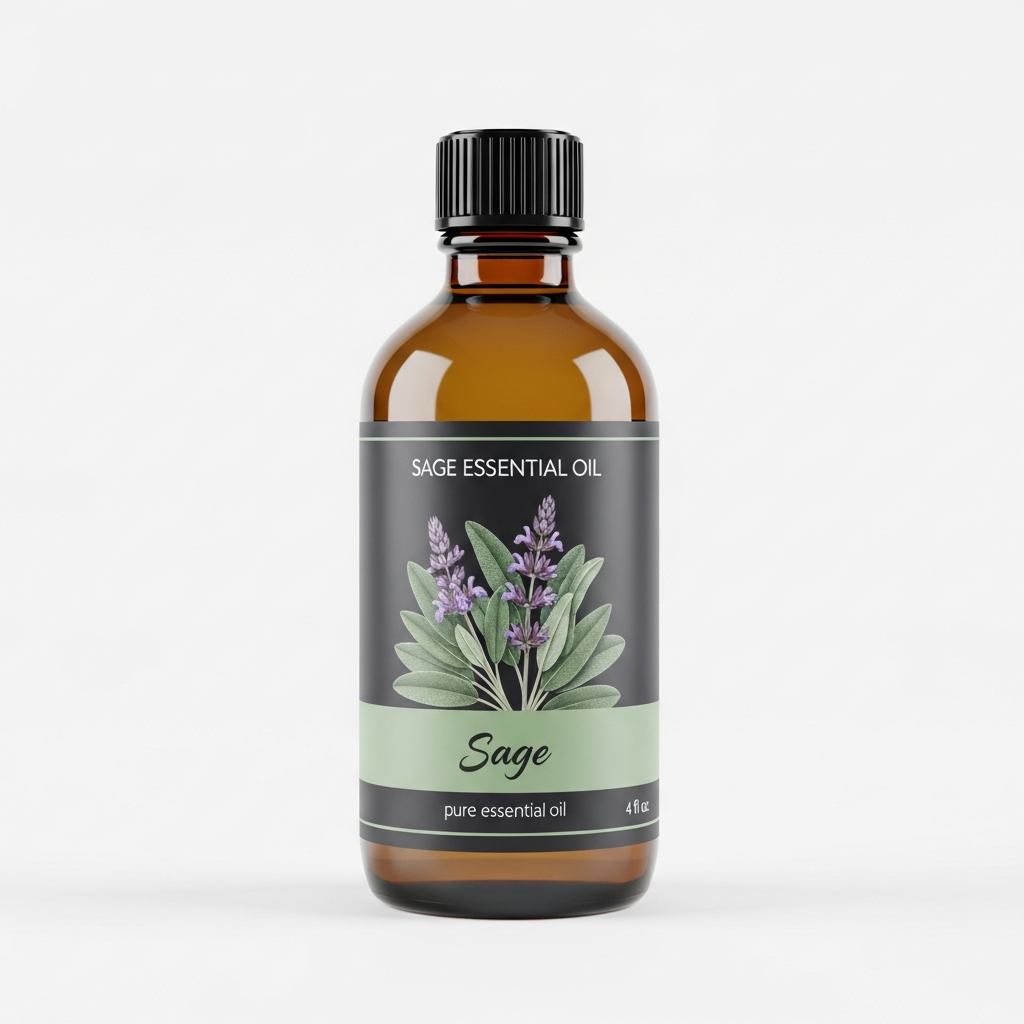
This guide walks through how to incorporate sage oil for skin into a practical cleansing routine, from choosing a quality oil to mixing your own preparations at home. Every step includes dilution guidance and safety notes, because good results depend entirely on using this oil correctly.
If you want a broader overview of how sage oil shows up across home and personal care, the complete guide to sage oil uses for home and skin is a useful starting point before diving into the skincare-specific steps below.
Understanding Sage Essential Oil: Garden Sage vs. Clary Sage
Before mixing anything, it helps to know which oil you are working with. The two most commonly available options are quite different in character.
- Garden sage (Salvia officinalis): Steam-distilled from the leaves and flowering tops of the familiar culinary herb. The aroma is sharp, herbal, and slightly medicinal in the best botanical sense of the word. It contains thujone, a ketone compound, which is why dilution and usage limits matter especially here.
- Clary sage (Salvia sclarea): Distilled from a different Salvia species. The scent is softer, slightly sweet, and nutty compared to garden sage. Clary sage essential oil benefits for skin are often discussed in the context of balancing and clarifying, and it is generally considered gentler for topical use at appropriate dilutions.
This article focuses on garden sage (Salvia officinalis) as the primary ingredient, because it is what most people mean when they say sage essential oil. Where clary sage is a useful substitute or addition, that will be noted clearly.
A Note on Thujone and Safe Use
Garden sage essential oil contains alpha- and beta-thujone, compounds that require respect. This is not a reason to avoid the oil, but it does mean the dilution guidance in this article is non-negotiable. Always stay within recommended percentages. Pregnant or nursing individuals, young children, and people with a history of certain neurological concerns should consult a qualified healthcare provider before using garden sage essential oil topically.
What You Will Need
Gathering your materials before you start makes the process straightforward. Nothing on this list is difficult to source, and most items are available at natural food stores or reputable online suppliers.
Core Ingredients
- Garden sage essential oil (Salvia officinalis), 100% pure, steam-distilled. Look for GC/MS (gas chromatography/mass spectrometry) testing data on the supplier's website. This tells you the oil is what the label claims.
- A carrier oil suited to your skin type: jojoba is a popular all-purpose choice; sweet almond oil works well for drier skin; hemp seed oil suits oilier or combination skin.
- A gentle, fragrance-free liquid castile soap base (for the cleansing wash recipe).
- Distilled or hydrosol water (tap water introduces bacteria into water-based preparations).
- A preservative if you are making any water-containing product that will last more than one or two days. Leucidal liquid or a broad-spectrum cosmetic preservative is appropriate. This step is not optional for water-in-oil or water-based formulas.
Equipment
- Amber or cobalt glass bottles for storage (essential oils degrade plastic over time and are light-sensitive).
- A digital scale accurate to 0.1 grams, or a set of dedicated measuring spoons used only for cosmetic work.
- A small glass stirring rod or bamboo skewer.
- Pipettes or a dropper insert for your essential oil bottle.
- Labels and a permanent marker. Unlabeled bottles are a hazard.
Dilution Reference Table
Proper dilution is the single most important variable in topical essential oil use. The table below reflects widely cited professional aromatherapy guidelines for adult, non-sensitive skin. Start at the lower end if you are new to sage oil.
| Application Type | Recommended Dilution | Drops per 1 oz (30 ml) Carrier |
|---|---|---|
| Face (all skin types) | 0.5% to 1% | 3 to 6 drops |
| Body (general use) | 1% to 2% | 6 to 12 drops |
| Cleansing wash (rinse-off) | 1% | 6 drops per 1 oz soap base |
| Clary sage face blend | 0.5% to 1% | 3 to 6 drops |
Always perform a patch test before applying any new blend to your face or body. Apply a small amount to the inner forearm, leave it for 24 hours, and check for redness, itching, or irritation before proceeding.
Step-by-Step: Building a Sage Oil Cleansing Routine
Step 1. Choose Your Format
Decide whether you want a rinse-off product (a cleansing wash) or a leave-on product (a lightweight facial oil). Rinse-off products are a lower-risk introduction to sage oil for skin because contact time is short. Leave-on formulas offer more sustained contact but require careful dilution and are not suited to every skin type.
For first-timers, start with the cleansing wash. You can always add a leave-on oil blend to your routine later once you know how your skin responds.
Step 2. Make a Sage-Infused Cleansing Wash
This is a simple, low-fuss formula that fits into a morning or evening cleansing routine without adding extra steps.
- Measure your base. Pour 1 ounce (approximately 30 ml) of unscented liquid castile soap into a small bowl or directly into your storage bottle using a funnel.
- Add the essential oil. Add 6 drops of garden sage essential oil (a 1% dilution). If you want a softer, slightly sweeter character, substitute 3 drops of garden sage and 3 drops of clary sage. Clary sage essential oil benefits for skin in this context include a gentler scent profile that some people find more pleasant for daily use.
- Optional additions. You can add 5 drops of tea tree (Melaleuca alternifolia) if your skin tends toward breakouts, or 5 drops of lavender if your skin leans sensitive. Keep the total essential oil count at or below 1% of the total formula weight.
- Mix gently. Stir with a glass rod. Castile soap and essential oils combine relatively easily, but avoid vigorous shaking, which creates excess foam and can alter the texture.
- Transfer and label. Pour into a foaming pump bottle or a standard flip-cap bottle. Label it clearly with the contents, dilution percentage, and the date you made it.
- Storage. Store out of direct sunlight. A soap-based formula like this, with no water added separately, can typically last two to three months. If you notice any change in smell or texture, discard it.
Step 3. Make a Sage Facial Oil Blend (Leave-On)
This is a lightweight carrier oil blend intended for use after cleansing. It suits normal, combination, or oily-leaning skin types particularly well, because jojoba and hemp seed oil both have a relatively light feel.
- Measure your carrier. Add 1 ounce (30 ml) of jojoba oil to a small amber glass dropper bottle.
- Add garden sage essential oil. Use 3 drops for a 0.5% dilution. This is the recommended starting point for a leave-on face product. Do not exceed 6 drops (1%) on the face.
- Optional: add clary sage. You can use 2 drops of garden sage and 2 drops of clary sage for a total of 4 drops (approximately 0.67%). The combination creates a more rounded herbal scent.
- Cap and roll. Close the bottle and roll it gently between your palms rather than shaking. This distributes the oils without introducing air bubbles.
- Label and store. Date the bottle. Jojoba is extremely shelf-stable and can last a year or more, but essential oil blends are best used within six months for optimal scent quality.
Step 4. Incorporate into Your Daily Routine
A sage oil cleansing routine does not need to be elaborate. The following sequence works for morning or evening use.
- Dampen your face with lukewarm water.
- Dispense a small amount of your sage cleansing wash (about the size of a nickel) onto your fingertips or a soft muslin cloth.
- Massage gently across the face and neck for 30 to 60 seconds, avoiding the eye area.
- Rinse thoroughly with cool water and pat dry with a clean cloth.
- If using the facial oil blend, warm 2 to 3 drops between your fingertips and press gently into damp skin. Damp skin absorbs carrier oils more readily than completely dry skin.
What to Expect
Results from any new skincare routine take time. People who add sage oil for skin into a consistent cleansing practice often report a refreshed, clean feeling immediately after rinsing, and some notice that skin appears more balanced in texture over several weeks of regular use. That said, individual skin is highly variable. What works well for one person may not suit another, and this is especially true with aromatic botanicals.
Some research suggests that Salvia officinalis extracts may support the appearance of skin clarity, and that clary sage essential oil benefits for skin may relate to its ester-rich composition, which some formulators find useful in calming-focused blends. These are research observations, not guarantees of outcome.
Give any new routine at least four to six weeks before drawing conclusions. Skin turnover is a slow process.
Common Mistakes to Avoid
- Using undiluted sage oil directly on skin. Garden sage essential oil is not a product you apply neat. Ever. Even a single undiluted drop on the face can cause sensitization, which is a permanent immune response that makes you reactive to the oil in the future.
- Skipping the patch test. It takes five minutes and 24 hours of patience. It is worth it every single time you work with a new formula.
- Storing blends in plastic. Essential oils interact with many plastics, leaching compounds from the container into your product. Use glass.
- Adding water to an oil formula without a preservative. Water activates microbial growth. If your recipe contains any water, hydrosol, or aloe vera gel, it needs a cosmetically appropriate preservative.
- Overusing the product. More is not better with essential oils. The nose adapts quickly to scent, so if you feel the urge to add more drops because you cannot smell it anymore, resist. The oil is still present.
- Ignoring expiration. An old carrier oil that has gone rancid will not do your skin any favors, regardless of how good the essential oils in it smell. Smell your carrier oils before each use.
Sourcing Quality Sage Oil
The quality of your sage essential oil matters as much as how you use it. Look for suppliers who publish GC/MS reports for each batch, list the botanical name (Salvia officinalis for garden sage, Salvia sclarea for clary sage), the country of origin, and the extraction method. Steam distillation is standard for both varieties. Avoid oils priced so low that quality sourcing seems implausible, and equally avoid suppliers who make sweeping health claims about their products, because reputable producers know better.
Dalmatian sage (grown in the former Yugoslavia and surrounding regions) is widely regarded among aromatherapy educators as a benchmark for quality garden sage oil. Spanish sage is a related but distinct variety with a different chemical profile. Check the label carefully.
Expanding the Ritual: Beyond the Face
Once you are comfortable with sage oil for skin in your facial cleansing routine, there are natural ways to extend it. A body wash using the same castile soap method works well for a grounding morning shower experience. You might also explore how sage oil contributes to the atmosphere of the space where you do your skincare, which is where diffusion comes in. For a room-based ritual that complements a personal care routine, take a look at this guide to a fresh-start room ritual with sage oil mist and diffusion.
And if you are curious about how sage oil moves through other areas of the home, the sage oil in natural cleaning and herbal sprays for the kitchen article shows how the same botanical extends into surface sprays and aromatic household use.
Starting simple is always the right call. One well-made cleansing wash, used consistently, tells you far more about how sage oil fits your skin and your routine than a collection of products used sporadically ever will.
Always consult a qualified healthcare provider before beginning any new skincare practice, particularly if you are pregnant, nursing, or managing an existing health concern. Essential oils are potent botanical concentrates and deserve the same care you would give any active ingredient.