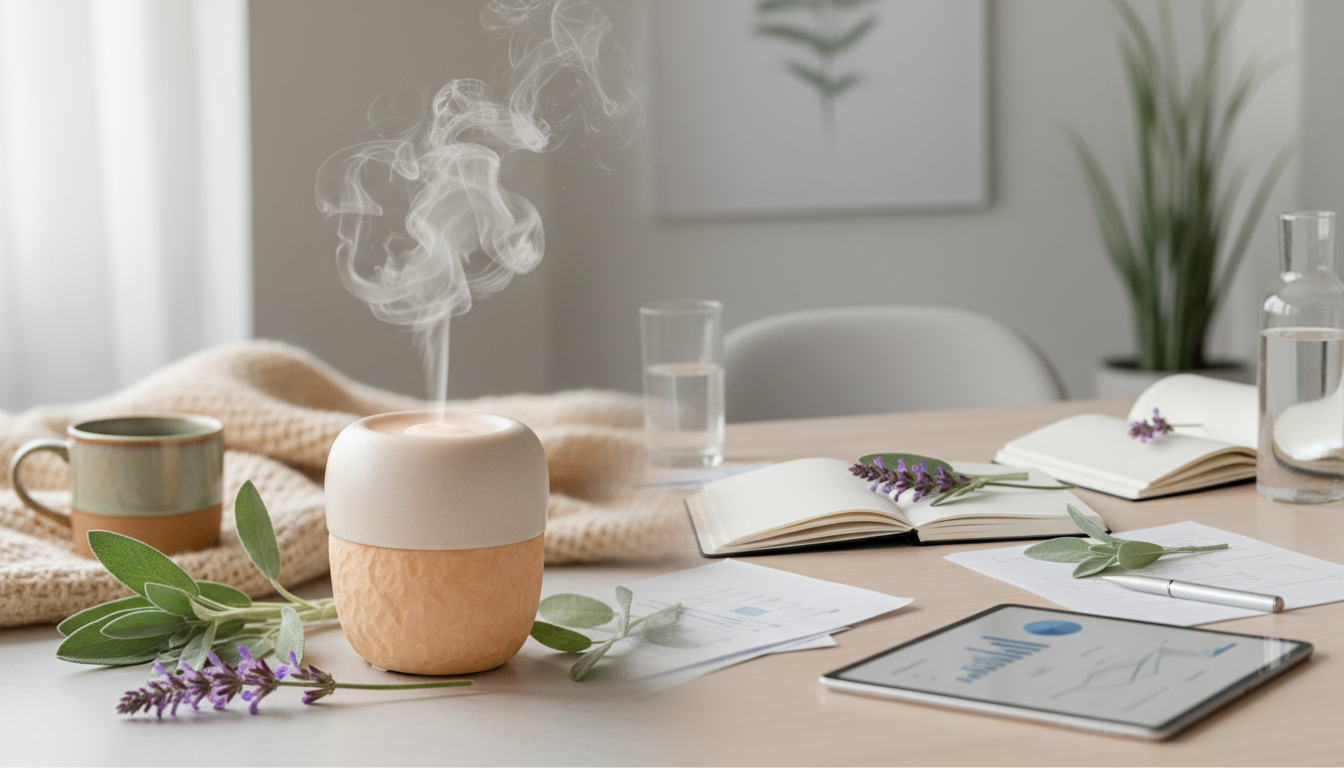
A Fresh-Start Room Ritual with Sage Oil: Mist, Diffuse, Reset
There is a particular kind of staleness that settles into a room over time. It is not always about dust or disorder. Sometimes a space simply feels heavy, as if the air itself has absorbed the noise of the week. This case study follows one person's attempt to address exactly that feeling using garden sage essential oil, a homemade room mist, and a simple diffusion routine. The goal was not wellness in any clinical sense. It was atmosphere. It was ritual. It was the deliberate act of signaling to the senses that something was shifting.
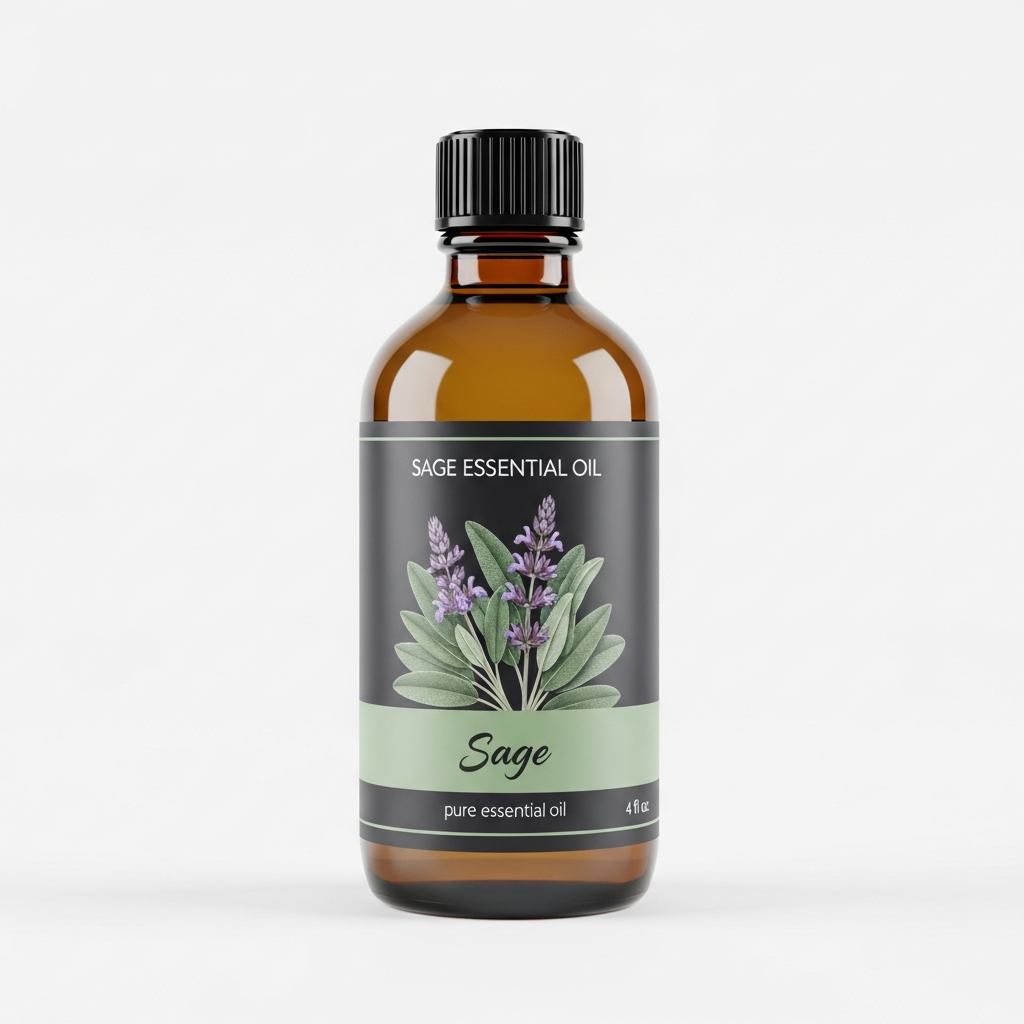
What emerged over several weeks of consistent practice was a genuinely interesting set of observations about how scent, intention, and space interact. This write-up shares the approach, the formulations used, and the honest takeaways for anyone curious about building their own sage room ritual around distilled garden sage oil.
The Context: A Space That Needed Resetting
The subject of this case study works from home. Her office doubles as a guest room and occasional yoga space, which means the room carries a rotating cast of energetic associations. Conference calls happen there. Guests sleep there. Stretching and stillness happen there. By midweek, the room felt like a filing cabinet: functional, but cluttered in a way that no amount of tidying fully resolved.
She had experimented with white sage bundles in the past, drawn to the idea of clearing a space before settling into focused work or a quiet evening. The smoke, however, triggered sensitivity in her sinuses, and the scent lingered far longer than she preferred. A friend suggested exploring sage oil as an alternative approach: same botanical intention, different delivery format, and considerably more control over intensity and duration.
She sourced a small bottle of distilled garden sage essential oil (Salvia officinalis) from a supplier that provided gas chromatography testing documentation. Purity mattered to her, especially for a project centered on scent. She also picked up a basic ultrasonic diffuser and a set of small amber glass spray bottles. From there, the experiment began.
The Approach: Two Formats, One Intention
The ritual was built around two complementary formats: a diffuser blend for sustained background scent, and a quick-spritz room mist for immediate atmosphere shifts. Both were used with garden sage essential oil at their core, but each served a slightly different purpose in the daily rhythm.
The Diffuser Blend
The diffuser blend was designed for her morning work-start routine. The goal was a scent profile that felt crisp and grounding without being overwhelming. After several rounds of testing, she landed on this combination per 100ml of water:
- 4 drops garden sage essential oil (Salvia officinalis, distilled)
- 3 drops bergamot essential oil (bergapten-free)
- 2 drops cedarwood essential oil
Sage anchors the blend with its characteristic green, slightly camphorous depth. Bergamot adds a bright citrus lift that keeps the overall impression from feeling too dense. Cedarwood grounds the whole thing with a warm, woody base. She ran the diffuser for 30 to 45 minutes at the start of each workday, then turned it off. That duration felt meaningful without becoming fatiguing to the nose.
One early observation: garden sage oil is potent. More than five or six drops in a standard 100ml diffuser reservoir created a scent that felt insistent rather than inviting. Restraint, she noted, was essential.
The Sage Oil Room Mist
The sage oil room mist was built for transitions. She used it at two key moments in the day: once before settling into creative work after lunch, and once in the early evening to mark the shift from work mode to personal time. The formula she developed is simple and reproducible.
Room Reset Mist Formula
| Ingredient | Amount | Purpose |
|---|---|---|
| Distilled water | 90ml | Base carrier |
| Witch hazel (alcohol-free) | 10ml | Emulsifier, dispersal |
| Garden sage essential oil | 10 drops | Primary botanical scent |
| Frankincense essential oil | 6 drops | Resinous depth, grounding |
| Lemon essential oil | 4 drops | Brightness, lift |
Mix everything in a 100ml amber glass spray bottle. Shake before each use. Mist into the center of the room and allow the droplets to fall naturally. Avoid spraying directly onto fabric, wood surfaces, or electronics.
Safety note: This formula is designed exclusively as a room mist. Do not apply it to skin. If you are considering any skin-contact formulations using sage oil, review proper dilution guidelines carefully. Garden sage essential oil contains thujone, a compound that requires careful handling. Keep all essential oil products out of reach of children and pets. If you are pregnant or nursing, consult a qualified healthcare provider before using sage essential oil in any format.
Observations Over Four Weeks
She kept a loose journal during the four-week experiment, noting what she observed about the room, her focus patterns, and her relationship to the scent itself. The observations below are reported as she described them. They are personal and contextual, not scientific measurements.
Week One: Learning the Scent
Garden sage oil was unfamiliar to her nose at first. She had expected something close to the culinary sage she knew from cooking, and the similarity was there, but the distilled oil carried additional complexity: a faint camphor quality, a green herbaceous sharpness, and a cool, almost medicinal undertone. She found it striking rather than immediately comfortable.
By the end of the first week, that initial strangeness had settled into familiarity. The scent began to function as a kind of cue. When she smelled it, she reported a sense of readiness, as though the nose was telling the brain that a particular mode of engagement was about to begin.
Week Two: Refining the Ritual Structure
She adjusted the diffuser timing during week two, moving it slightly earlier in her morning sequence so it was running when she sat down rather than building up while she was already working. This small change made a noticeable difference in how the room felt when she first entered it. The scent was already present, already part of the space, rather than arriving alongside her.
The room mist became her preferred tool for the afternoon transition. Two or three spritzes, a moment of stillness, and then she would open her afternoon task list. She noted that the physical act of spraying and waiting seemed to carry as much weight as the scent itself. The pause mattered.
Week Three: The Sage Oil Spiritual Benefits Question
It was during week three that she began thinking more deliberately about what is sometimes described as sage oil spiritual benefits. She had encountered that phrase in her research before starting the project and had approached it with some skepticism. By this point, though, she was beginning to understand what people might mean by it.
Sage has a long history of use in ceremonial and ritual contexts across many cultures. The practice of burning or diffusing aromatic herbs to mark a transition, to open or close a period of activity, or to create a sensory boundary around a dedicated space is ancient and cross-cultural. She was not claiming any spiritual framework herself. But she observed that the ritual format, using a consistent scent at consistent moments, did seem to create a kind of sensory punctuation in her day. The room smelled different during work than it did during rest, and that difference felt meaningful in a way she had not anticipated.
For a broader look at how sage oil fits into home and personal care routines beyond room use, the complete guide to sage oil uses covers the full range of applications in one place.
Week Four: Consistency and Honest Assessment
By week four, the ritual had become largely automatic. She was no longer thinking about the steps; she was simply doing them. The room, she said, felt like her room in a way it had not before. It had a scent identity that she associated with her own time and intention rather than with its shared-space history.
She also noted what did not happen. The ritual did not reorganize her schedule. It did not change the nature of her workload. On difficult days, the sage mist was pleasant and grounding, but it was not a solution to the things that made the days difficult. She was clear about that distinction, and it struck her as an important one to name.
Key Learnings from the Experiment
Pulling together four weeks of notes, several practical observations stand out for anyone considering a similar approach.
Less Is More with Garden Sage Oil
Garden sage essential oil is not a background note. It projects clearly and can dominate a blend at higher concentrations. Starting with fewer drops than you think you need is a reliable strategy. You can always add; you cannot subtract once the mist is sprayed or the diffuser is running.
Ritual Requires Repetition
The first few days of any new scent practice are about acclimation, not effect. The scent-as-cue relationship develops through consistent repetition over time. Anyone starting a sage room ritual should plan for at least two weeks before making a judgment about whether it is working for them.
Format Shapes Experience
Diffusion and misting are genuinely different experiences. Diffusion is ambient and gradual: it fills the room slowly and persists at a low level. Misting is immediate and intentional: it announces itself and then fades. Using both within the same practice creates interesting textural variety within a consistent scent theme.
Source Quality Shapes Everything
She noted more than once that the quality of her sage oil was central to the entire experiment. A poorly sourced or adulterated oil would have produced a flat or harsh scent that made none of this worth repeating. GC/MS testing documentation, clear country of origin information, and distillation method transparency were the factors that guided her purchase decision.
Extending the Practice: Related Projects
Once the room ritual was established, she became interested in carrying the sage scent into other formats. If you are similarly drawn to working with garden sage oil across multiple creative projects, two tutorials are worth exploring. The DIY sage and citrus candle tutorial walks through a soy wax project that pairs sage with bright citrus notes in a format that complements the room mist approach. And for those interested in a skin-safe application using botanical scent, the homemade sage melt-and-pour soap project offers a carefully formulated introduction to working with sage oil at appropriate dilution levels for cleansing use.
Each format, whether mist, diffuser blend, candle, or soap, brings its own sensory character to the same botanical source. The sage stays recognizable across all of them, but its expression shifts with the medium. That consistency within variety is part of what makes garden sage oil such a rewarding ingredient to explore.
A Note on Adaptation
This case study reflects one person's experience with one set of formulas in one kind of space. Room rituals are inherently personal. The blend ratios that felt right for a home office may not suit a bedroom, a studio, or a shared living space. The timing that created meaningful transitions for one daily schedule will not map onto a different one.
Use this write-up as a starting point rather than a prescription. Adjust the sage oil concentration to your nose. Experiment with different companion oils. Change the timing until the misting moment lands where it actually needs to for your day. The ritual is yours to shape. The sage oil is just the raw material you are working with.
What the four-week experiment demonstrated most clearly is that a well-chosen scent, used consistently and with some intention behind it, can do real work in a space. Not mystical work. Not clinical work. Atmospheric work. The kind of work that makes a room feel like it belongs to a particular moment in time, and that gives you a sensory way to step into that moment each day.