
10 Sage Oil Blends: Citrus, Cedar, and Lavender Pairings That Work
Garden sage essential oil has a scent that stops people mid-sentence. It is green and resinous, faintly medicinal in character, and just herbal enough to feel like something grown rather than manufactured. That distinctiveness is exactly what makes it so rewarding to blend. It anchors lighter oils, softens sharper ones, and adds a botanical depth that synthetic fragrances rarely replicate.
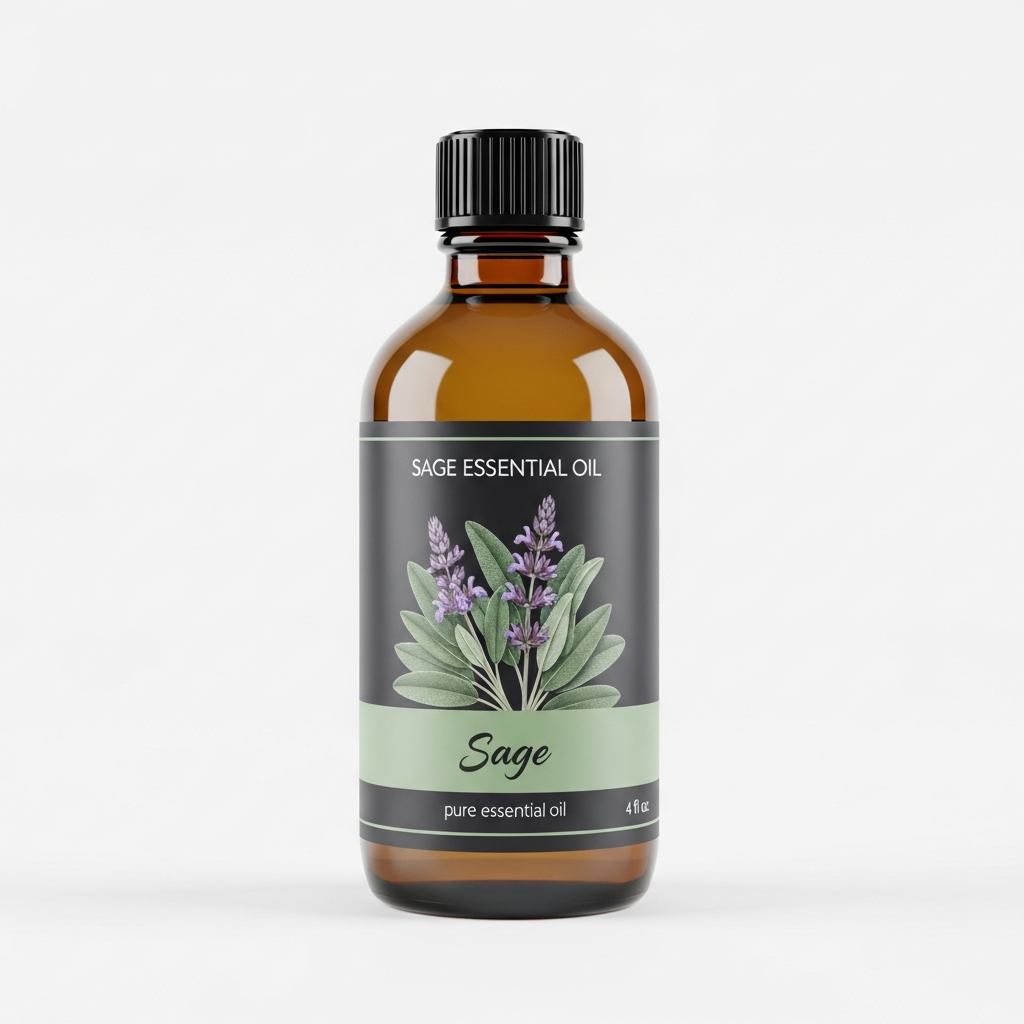
This guide covers ten tested sage essential oil blends organized by fragrance family. Each pairing includes suggested drop ratios, a practical use suggestion, and notes on what the combination does well. Whether you are building a personal diffuser routine or formulating a simple body oil, these starting points will save you a lot of guesswork.
For a broader look at how sage oil fits into everyday routines, visit our complete guide to sage oil uses for home and skin.
Before You Blend: A Quick Note on Safety
Sage essential oil is potent. Always dilute it in a carrier oil before applying it to skin. A standard dilution is 1 to 2 percent, which works out to roughly 6 to 12 drops of essential oil per 30 ml (1 ounce) of carrier oil. Perform a patch test on inner forearm skin before wider use, and wait 24 hours to check for any reaction.
Sage oil is not recommended for use during pregnancy or while nursing. Keep all essential oils away from children and pets. When diffusing, ventilate the room and limit sessions to 30 to 60 minutes. These blends are for aromatic and cosmetic use only. Consult a qualified healthcare provider before adding essential oils to your routine if you have any health concerns.
1. Sage and Sweet Orange
This is the blend that converts people who think sage smells too sharp on its own. Sweet orange rounds out the herbal edge with a warm, slightly candy-like citrus note. The result is bright but grounded, closer to a sun-warmed herb garden than to anything aggressively green.
In a 10 ml roller bottle filled with a light carrier oil such as fractionated coconut oil, try 3 drops of sage to 5 drops of sweet orange. For a diffuser blend, use a 2:4 ratio. The orange note is forward at first and fades faster than the sage, so the dry-down is earthier than the opening suggests.
Practical takeaway: Use this in a morning diffuser blend to set an energizing, fresh atmosphere. It works especially well in kitchens and home offices.
2. Sage and Bergamot
Bergamot brings a floral-citrus quality that is more sophisticated than straight orange or lemon. When paired with garden sage, it creates a blend that reads almost like a high-end room fragrance. The herbal dryness of sage offsets bergamot's tendency to smell sweet or perfumed in isolation.
A 3:3 ratio works well in a diffuser. For a body oil, lean toward 4 drops bergamot and 2 drops sage per tablespoon of carrier. Note that bergamot can be photosensitive. Use bergapten-free bergamot if you plan to apply the blend to skin that will be exposed to sunlight.
Practical takeaway: This blend suits evening wind-down diffusing beautifully. The combination is sophisticated enough to double as a room scent during gatherings.
3. Sage and Lavender
This is one of the most requested sage essential oil blends for a reason. Lavender softens sage without erasing it. The result is herbaceous but approachable, with a floral note that keeps the blend from feeling too sharp or medicinal.
The white sage and lavender fragrance oil combination has become popular in the candle and bath product market, but when you are working with true distilled garden sage and genuine lavender essential oil, the pairing is more nuanced. Try 4 drops lavender to 2 drops sage as a base, then adjust from there. Many people find that slightly more sage works better for diffusing, while a higher lavender ratio is more comfortable for skin applications.
Practical takeaway: Add this blend to an unscented lotion at a 1 percent dilution for a calming pre-bedtime skin ritual. It is also lovely in a linen spray for pillows.
4. Sage and Cedarwood Atlas
Cedarwood Atlas brings a warm, slightly milky woodiness that pairs with sage in a way that feels almost architectural. These two oils share an earthiness, and instead of competing, they build on each other. The blend smells like a cedar-paneled room in a botanical garden.
For a diffuser, a 3:3 ratio is a solid starting point. In a carrier oil for a chest or neck application, 2 drops sage and 3 drops cedarwood per tablespoon of jojoba oil creates a grounding, forest-like scent. Cedarwood is generally well tolerated on skin and makes a reliable anchor in this kind of blend.
Practical takeaway: This is a strong candidate for a home office blend. The combination is focused and calm without being sleepy. It also works well in a beard oil or body oil for a gender-neutral, natural fragrance.
5. Sage and Lemon
Lemon is the most direct citrus pairing for sage. It cuts through the resinous weight of the herb and lifts the overall scent into something clean and airy. The combination smells freshly scrubbed in the best possible way.
In a diffuser, start with 2 drops sage and 4 drops lemon. You can push the sage slightly higher if you want more herbal presence. For surface-cleaning aromatics or reed diffusers, this is one of the most crowd-pleasing sage oil blends available. As with bergamot, use caution applying lemon topically before sun exposure.
Practical takeaway: Run this blend in the diffuser while cleaning the kitchen or bathroom. The fresh, herbal scent works with the energy of the task rather than against it.
6. Sage and Clary Sage
This one surprises people. Clary sage and garden sage are related but distinct. Clary sage is softer, slightly nutty, and has a faint sweetness. Blended together, they create a layered herbal accord that is more complex than either oil alone.
This is a blend for people who genuinely love the sage fragrance family and want more depth. A 3:3 ratio works well. In a cosmetic context, this combination works beautifully in a scalp massage oil. If you are curious about using sage oil in hair care, our sage oil hair and scalp massage guide covers formulation and application ideas in detail.
Practical takeaway: Use as a hair oil base or in a diffuser blend aimed at a cozy, herbal atmosphere. It is a natural choice for autumn routines.
7. Sage and Rosemary
Rosemary and sage are botanical neighbors, and their essential oils share a camphorous, green character. Together they create a blend that feels crisp and stimulating without being harsh. Think of it as a Mediterranean herb garden in aromatic form.
A 2:3 sage-to-rosemary ratio in a diffuser is vibrant and clean. For a scalp oil, combine them with a carrier like argan oil at a 1 percent total dilution. Rosemary is often included in scalp-focused formulas, and sage adds a complementary herbal note that rounds out the blend. Be mindful that both oils are potent and should not be overused in skin applications.
Practical takeaway: This blend is well suited to a morning routine. Use it in a diffuser while getting ready, or incorporate it into a weekly scalp massage oil.
8. Sage and Frankincense
Frankincense adds a resinous, slightly sweet, almost sacred quality to sage. The combination is quieter than the citrus pairings. It is a blend for slow mornings, for journaling rituals, or for a home environment where you want something grounding rather than stimulating.
A 2:4 sage-to-frankincense ratio tends to keep the frankincense as the dominant note while sage provides a green herbal undercurrent. In a facial serum or moisturizer, frankincense is a popular cosmetic ingredient. Adding a small amount of sage to a frankincense-based blend introduces a botanical freshness that keeps the formula from smelling overly resinous. Keep dilution to 1 percent for facial use. For more sage skin care formulation ideas, see our guide to sage oil for skin and cleansing rituals.
Practical takeaway: Use this blend in a personal inhaler or add it to an unscented face oil for a grounding aromatic experience during a quiet morning ritual.
9. Sage and Peppermint
This is a bold pairing. Both oils have a coolness to them, and together they create something that smells intensely fresh and clean. It is not a blend for every setting, but in the right context it is striking.
Use a restrained hand with peppermint. Start with 1 drop sage and 1 drop peppermint in a diffuser with a neutral base oil such as eucalyptus or pine, or use the two together without a third note. In skincare, peppermint carries a higher potential for skin sensitivity and should be diluted carefully. A 0.5 percent dilution is advisable for facial applications, and peppermint should be avoided entirely around young children.
Practical takeaway: This blend suits a gym bag inhaler or a foot soak. It is invigorating in small doses and works best in spaces where you want a sharp, clean aromatic reset.
10. Sage, Lavender, and Cedarwood
Some of the best blends come from combining three compatible notes rather than two. This trio brings together the herbal clarity of sage, the floral softness of lavender, and the warm woody depth of cedarwood. Each element is distinct, but they integrate without competing.
In a 10 ml diffuser blend, try 2 drops sage, 3 drops lavender, and 3 drops cedarwood. For a room spray, combine these three oils at a 1 percent total dilution in distilled water with a small amount of alcohol to help disperse the oils. Shake before each use. This combination is one of the most versatile sage essential oil blends in terms of setting. It works in living rooms, bedrooms, and home offices without feeling out of place in any of them.
Practical takeaway: Build this as a signature home diffuser blend for autumn and winter. It also performs well as a linen mist or wardrobe sachet when the oils are added to a neutral base.
Quick Reference: Blend Ratios at a Glance
| Blend | Diffuser Ratio (drops) | Best Use |
|---|---|---|
| Sage + Sweet Orange | 2 sage : 4 orange | Morning diffusing, kitchen |
| Sage + Bergamot | 3 sage : 3 bergamot | Evening atmosphere, room scent |
| Sage + Lavender | 2 sage : 4 lavender | Bedtime ritual, linen spray |
| Sage + Cedarwood | 3 sage : 3 cedarwood | Home office, beard oil |
| Sage + Lemon | 2 sage : 4 lemon | Cleaning routines, reed diffuser |
| Sage + Clary Sage | 3 sage : 3 clary sage | Scalp oil, autumn atmosphere |
| Sage + Rosemary | 2 sage : 3 rosemary | Morning routine, scalp care |
| Sage + Frankincense | 2 sage : 4 frankincense | Slow rituals, facial serum |
| Sage + Peppermint | 1 sage : 1 peppermint | Foot soak, personal inhaler |
| Sage + Lavender + Cedarwood | 2 sage : 3 lavender : 3 cedarwood | Signature home blend, linen mist |
A Few Final Thoughts on Sourcing
The quality of any sage oil blend starts with the oil itself. Look for garden sage essential oil (Salvia officinalis) that lists the botanical name, country of origin, and extraction method on the label. Steam-distilled oils from established growing regions in Dalmatia, France, or Morocco tend to have a well-developed aromatic profile. Avoid oils that smell flat or overly sharp, which can indicate poor harvesting timing or low-grade distillation.
When building sage essential oil blends for skin use, always source oils from suppliers who provide GC/MS testing data. This confirms the chemical composition of what you are applying to your skin and gives you confidence in the oil's purity. The best blends are only as good as the individual ingredients that go into them.