
How to Dilute Sage Oil: Ratios, Carrier Oils, and Patch Tests
Sage essential oil is potent. Even a single drop holds a concentrated botanical intensity that demands respect, and skipping dilution is the most common mistake new users make. Proper sage oil dilution is not a suggestion: it is a foundational practice that keeps your skin comfortable, extends your bottle further, and helps you get the most out of every application.
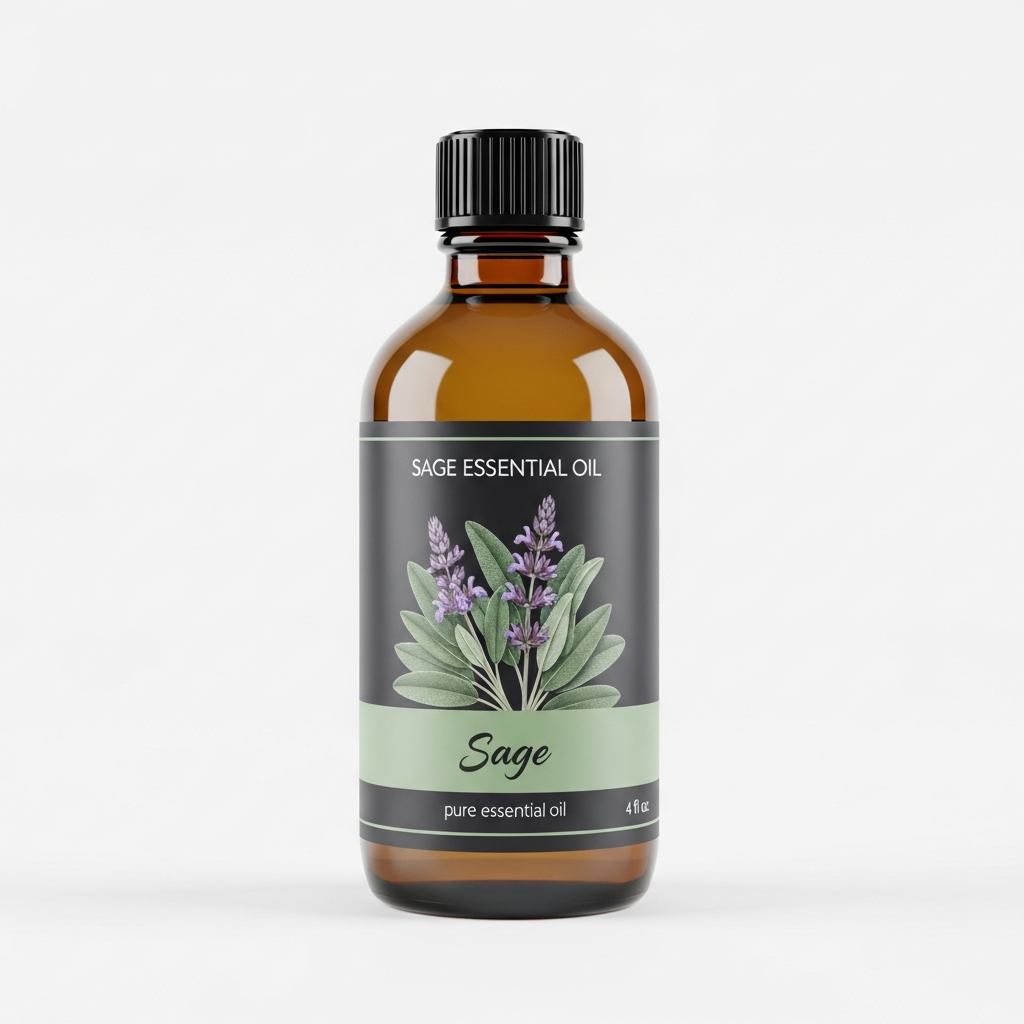
This guide walks you through the full process. You will find clear ratios, carrier oil recommendations, and a reliable patch test protocol. If you are just getting started with this oil, it is worth pausing to read our complete beginner's guide to sage essential oil before diving into dilution specifics.
Why Dilution Is Non-Negotiable
Garden sage (Salvia officinalis) is distilled from the leaves and flowering tops of the plant. The resulting oil is rich in thujone, camphor, and other naturally occurring compounds that can cause skin sensitivity when applied without a carrier. Some people experience redness or irritation even at standard dilution levels, which is why patch testing matters as much as the ratio itself.
Dilution also does something counterintuitive: it does not weaken the oil so much as it opens it up. A sage oil blend applied to warm skin diffuses its herbal, slightly woody scent more evenly and lastingly than a concentrated drop ever would.
Materials You Will Need
- One bottle of 100% pure garden sage essential oil (Salvia officinalis, steam distilled)
- A carrier oil (see recommendations below)
- A small glass or stainless steel mixing bowl or a clean dropper bottle
- A calibrated dropper or pipette (most essential oil bottles include one)
- A measuring spoon for carrier oil (a teaspoon holds roughly 5 mL)
- A pen and label to note your ratio and date on finished blends
- A clean inner wrist or forearm patch for testing
Choosing a Carrier Oil for Sage
The carrier oil you choose affects texture, absorption speed, and how the sage scent carries on skin. There is no single correct answer. Below are four solid options with honest notes on each.
| Carrier Oil | Skin Feel | Scent Profile Pairing | Best For |
|---|---|---|---|
| Jojoba oil | Light, non-greasy, wax-like | Neutral, lets sage shine | Face, scalp, general blending |
| Sweet almond oil | Medium weight, silky | Faintly nutty, complementary | Body massage blends |
| Fractionated coconut oil | Ultralight, dry finish | Virtually scentless | Roll-on applicators, pulse points |
| Grapeseed oil | Thin, fast-absorbing | Neutral to slightly green | Oily or combination skin types |
Avoid coconut oil in its solid form for this purpose. It goes rancid faster than fractionated versions, and inconsistent texture makes accurate measuring difficult.
Sage Oil Dilution Ratios: A Practical Reference
The standard framework for dilution comes from established aromatherapy guidelines. Sage carries a higher sensitization potential than milder oils, so staying on the conservative side of any ratio range is wise, especially for first-time use.
General dilution guideline: 1% dilution equals roughly 6 drops of essential oil per 30 mL (1 fluid ounce) of carrier oil. Scale up or down from there.
Ratio Quick-Reference by Use Case
| Dilution Level | Drops per 1 tsp (5 mL) Carrier | Drops per 1 oz (30 mL) Carrier | Suggested Context |
|---|---|---|---|
| 0.5% | ~1 drop | ~3 drops | Sensitive skin, first-time use |
| 1% | ~1 drop | ~6 drops | Daily leave-on blends, face |
| 2% | ~2 drops | ~12 drops | Body blends, massage, rinse-off products |
| 3% | ~3 drops | ~18 drops | Occasional use, small target areas only |
A note on rounding: because a standard drop from a dropper tip is approximately 0.05 mL, these numbers are approximations. Consistency in your dropper and technique matters more than chasing a precise decimal.
Sage oil is not recommended for use on children under ten, during pregnancy, or while nursing. It is also worth reviewing our dedicated resource on sage oil safety basics before you blend for anyone other than yourself.
Step-by-Step: How to Dilute Sage Oil
-
Gather and clean your workspace
Wipe down your mixing surface with a clean cloth. Essential oils can degrade if they contact residue from household cleaners, so a quick rinse and dry is enough. Set out all your materials before opening any bottles.
-
Measure your carrier oil first
Pour your chosen carrier oil into the mixing bowl or dropper bottle first. This order matters. Adding the carrier after the essential oil makes it harder to control your final ratio, and it increases the chance of accidentally applying undiluted sage oil to your hands during the process.
-
Count your drops carefully
Hold the sage essential oil bottle vertically and let drops fall one at a time. Count aloud. It sounds obvious, but one missed count at this stage can shift a 1% blend to a 2% blend without you noticing. If your bottle does not have a built-in orifice reducer, use a pipette for more controlled dispensing.
-
Stir or cap and roll to combine
In an open bowl, stir gently with a clean glass rod or the handle of a small spoon. In a dropper bottle, cap it and roll it between your palms for about thirty seconds. Avoid shaking vigorously, which can introduce air bubbles and slightly alter the texture of thicker carriers like sweet almond oil.
-
Label immediately
Write the date, the oil used, and your ratio directly on the bottle or a piece of tape. Memory is unreliable. A blend that sits unlabeled for three months becomes a guessing game, and sage oil blends do have a working shelf life tied closely to the carrier oil you chose. For more on keeping blends fresh, see our guide to storing sage oil and preserving its herbal edge.
-
Perform a patch test before any full application
This step is covered in detail in the next section. Do not skip it, even if you have used sage oil before. Batches vary, skin changes with seasons, and a blend that felt fine six months ago may behave differently now.
How to Patch Test Your Sage Oil Blend
A patch test is a small, controlled skin exposure that gives you useful information before you commit to a larger application. It takes forty-eight hours to complete properly.
-
Choose your test site
The inner forearm or the soft skin behind the ear are the two most commonly recommended sites. Both are easy to observe and relatively sensitive without being as reactive as the face.
-
Apply a small amount
Dab a pea-sized amount of your diluted blend onto the site. Do not rub it in aggressively. A gentle press with one fingertip is enough to transfer the oil.
-
Leave it uncovered and undisturbed
Avoid washing the area for at least twenty-four hours. Keep it out of direct sunlight during this window, as some essential oils may increase photosensitivity on exposed skin.
-
Check at 24 and 48 hours
Look for redness, raised texture, itching, or unusual warmth. Any of these responses suggests the blend needs a lower dilution or a different carrier oil. If there is no visible reaction at forty-eight hours and the area feels comfortable, you can proceed with fuller use at the tested ratio.
-
If a reaction occurs
Wash the area gently with mild soap and water. Do not apply more oil to investigate the reaction. Give the skin time to return to its baseline before making any adjustments, and consider consulting a dermatologist if redness persists beyond a few hours.
Common Mistakes to Avoid
- Skipping the patch test on a new batch. Even from the same supplier, two bottles of sage oil can vary slightly in composition depending on the harvest season and distillation run. Always test a new bottle.
- Using water as a carrier. Essential oils do not disperse in water. They float. Mixing sage oil into a water-based lotion requires an emulsifier, and getting that chemistry wrong can leave concentrated droplets on skin.
- Estimating drops without a reducer tip. A bottle without an orifice reducer can pour three to five drops in the time it takes you to react. Use a pipette or choose bottles with built-in droppers.
- Storing finished blends in plastic. Many essential oils can interact with low-quality plastics over time. Use dark glass (amber or cobalt) bottles for any blends you plan to keep longer than a few days.
- Applying diluted sage oil to broken or recently shaved skin. The skin barrier is compromised in these areas, and absorption rates increase significantly. Wait until the skin has had time to recover.
- Doubling the ratio thinking more is better. Higher concentrations of sage oil do not produce proportionally better results in aromatic or cosmetic applications. Stay within established guidelines.
What to Expect from a Well-Diluted Blend
A properly diluted sage oil blend at 1% to 2% in a light carrier like jojoba or fractionated coconut oil absorbs without feeling heavy or sticky. The scent is present and recognizable: earthy, herbal, faintly green, with the camphoraceous note that defines garden sage. It is not sharp or overwhelming at these levels.
Many people find the aroma well-suited to morning routines or pre-sleep rituals, where the grounding herbal quality of sage may help create a sense of intentional transition between activities. Results vary from person to person, and individual scent perception is highly subjective.
Blends stored in dark glass, away from heat and direct light, may stay fresh and usable for roughly six to twelve months depending on the carrier oil chosen. Jojoba, technically a wax ester, tends to have the longest working life of the common carriers. If a blend starts to smell rancid or noticeably different from when you first made it, it is time to start fresh.
Getting the sage carrier oil ratio right is a small investment of attention that pays off every time you reach for the bottle. Precise measurement, a reliable patch test, and good storage habits are all it takes to make sage oil a confident, consistent part of your routine.