Sage Oil During Pregnancy and Nursing: What to Know
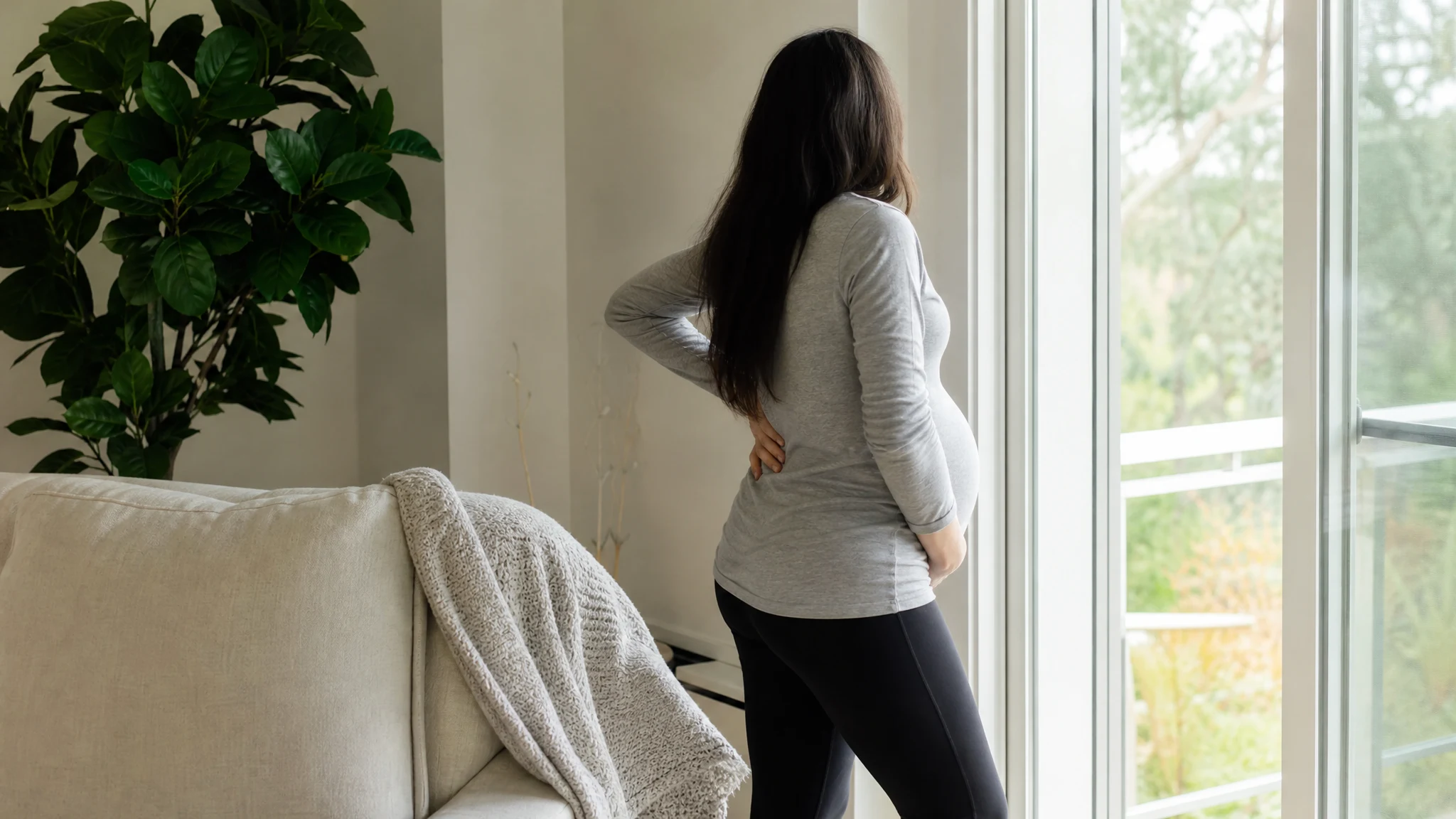
If you are expecting or nursing and have been eyeing a bottle of sage oil, our advice is simple and warm rather than alarmed: leave this one for later. Our process page says to avoid sage oil entirely during pregnancy and while breastfeeding, and every authority we could read either agrees or says it does not know. That second group is worth understanding, because it tells you how the guidance is built.
What the authorities say
The European Medicines Agency's herbal committee, in its assessment report on sage, records that sage is contraindicated during pregnancy and lactation, citing standard reference works, and that the thujones in the volatile oil are described as abortifacient and emmenagogic, meaning they can bring on bleeding or contractions (EMA/HMPC, 2016). A separate EMA statement on thujone-containing herbal medicines says there are no studies that allow a reliable assessment for sensitive groups such as pregnant women and children, so use in these groups should be minimised (EMA/HMPC, 2012).
In the United States, the National Center for Complementary and Integrative Health says that it may be unsafe to use sage during pregnancy because its component thujone may have harmful effects, and that little is known about whether it is safe to use sage while breastfeeding (NCCIH, 2025). The Tisserand Institute's general guidance adds that anyone who is pregnant should take a doctor's or suitable practitioner's advice before using essential oils at all.
How firm is the evidence?
Honestly, firmer in direction than in detail. The pregnancy warning rests on reference books and on thujone's known effect on the nervous system, not on a trial in pregnant people, and we found no such trial. That does not make the warning optional. It is how cautious medicine usually works when a study would be unethical to run: if a compound is suspected and the data cannot reassure, the precaution is to avoid it. For nine months, or for as long as you are nursing, choosing a different scent costs very little.
Oil is not tea
Much of what is written about sage and pregnancy concerns the leaf, the tea or a supplement, and that is worth keeping straight. The EMA allows sage leaf preparations a thujone ceiling of 6.0 mg per person per day for no more than two weeks. That limit belongs to leaf products taken by mouth, and the agency's separate statement on the oil says sage oil is characterised by high levels of thujone and that its benefit-risk balance is negative (EMA/HMPC, 2016). The oil is far more concentrated than the herb, so a reassuring line about culinary sage should not be carried over to the bottle. We also found no source that measures how much thujone reaches the body from skin or from breathing the oil, which is one more reason we do not offer a pregnancy dilution.
What to reach for instead
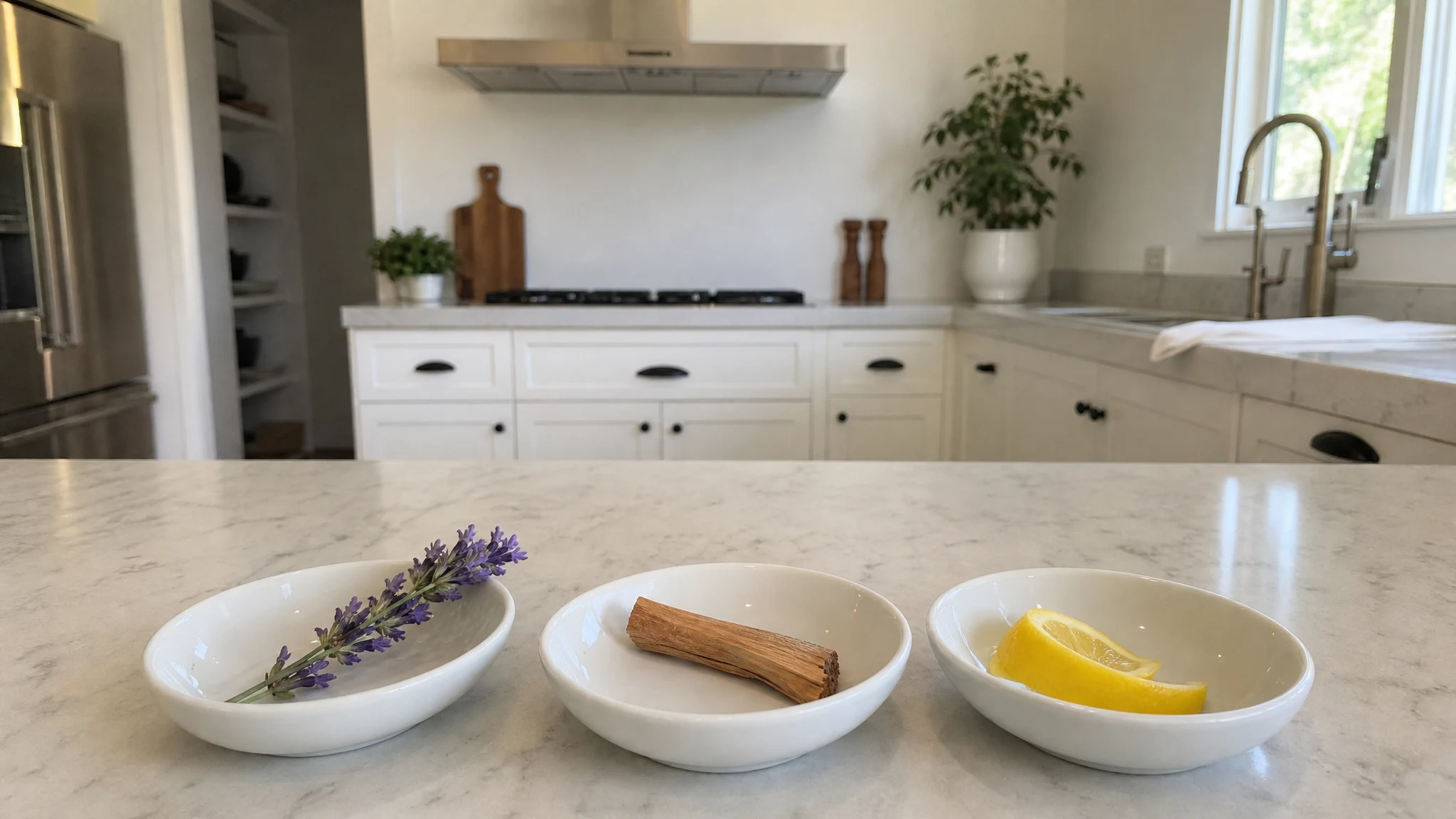
Choosing to skip sage does not mean giving up on a pleasant-smelling home. An open window and a pot of fresh herbs on the sill do a lot for a room. A simmering pan of orange peel or a bowl of dried lavender from a garden centre fills a space with scent and needs no bottle at all. For anything that involves essential oils during pregnancy, the person to talk to is your midwife or obstetric clinician, who knows your history and can say which aromas suit you.
It is also fair to say that wanting to nest, tidy and make the home feel fresh before a baby arrives is a lovely instinct. Sage oil can wait. The dry, green aroma will be just as interesting a year from now.
Sage in the air and in the workshop
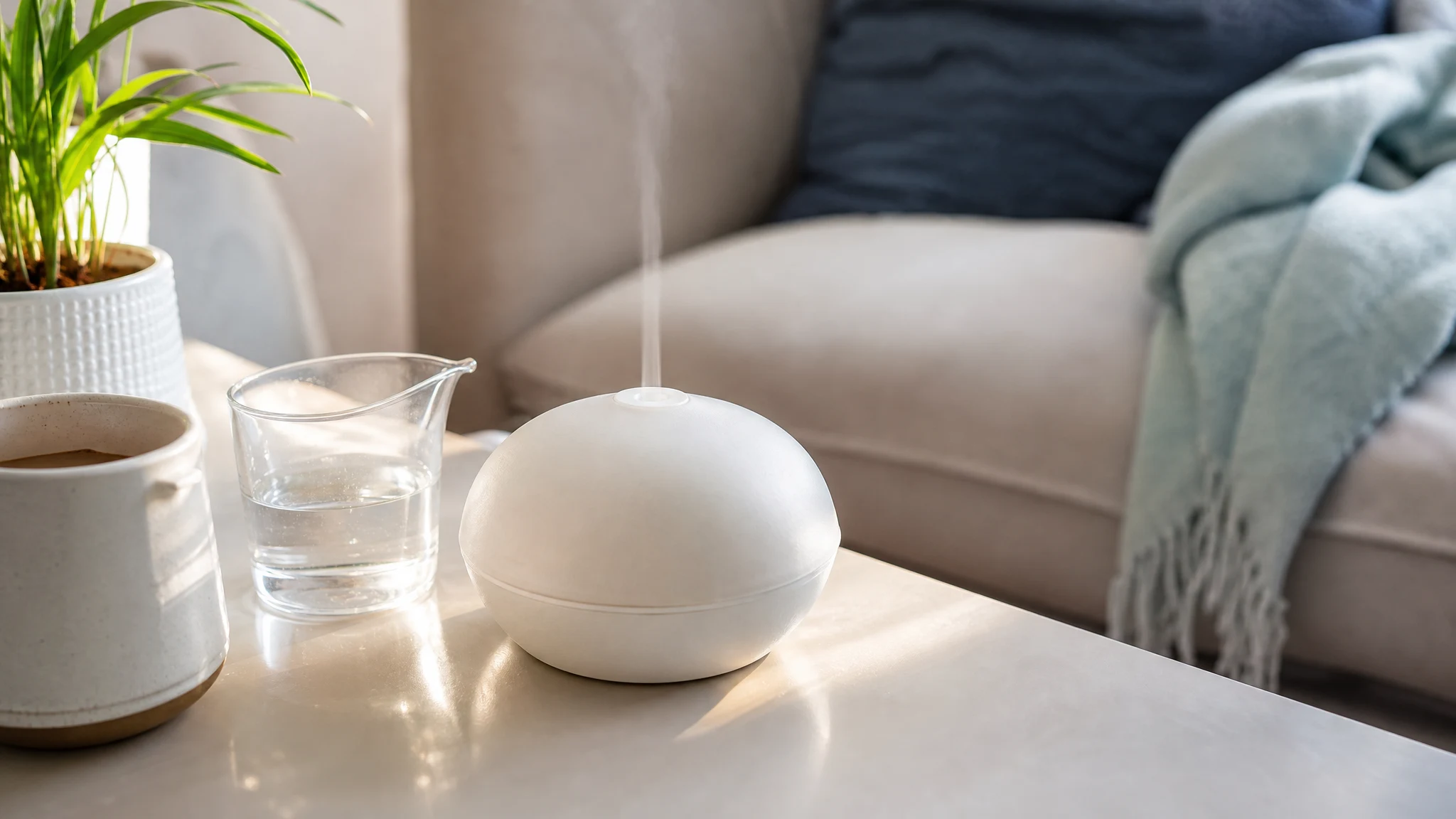
No study we read looks at sage oil vapour in pregnant or nursing people. Our position is to avoid the oil for diffusing, and also for making soap, candles or perfume at home, where you handle it in quantity. If you work with essential oils professionally, bring the product name to your midwife or obstetric clinician and ask whether your handling is acceptable. That judgement belongs to them, not to us. If you need a thujone figure to take along, ask us in writing through the contact page before ordering; the certificate we publish for one batch lists density, refractive index and optical rotation, not constituents. A nursing parent also usually has a baby in the room, so our guidance on sage and children applies as well, and our diffusing article covers the air.
If you have already used it
Stop using it, and jot down the product, the size, whether it was neat, diluted or diffused, how often and when you last used it. That is what a clinician needs. Nothing here suggests earlier use caused harm; the sources say the data are missing, not that harm has been shown at low exposure. If the oil was swallowed or a large amount spilled, Poison Help is 1-800-222-1222.
Who to ask
- An obstetric clinician or midwife for any herbal or aroma product during pregnancy.
- A pharmacist or lactation consultant while breastfeeding.
We sell an external-use cosmetic sage oil and nothing for pregnancy or lactation, so those questions belong with the people above. If you have been told that "natural" means "fine in pregnancy", our myths article looks at why that does not follow, and our patch testing article is there for the days after.
Sage will still be here when your pregnancy and nursing days are behind you, and it is a lovely herb in the kitchen in the meantime.
Take the pause as an easy kind of patience: the bottle is not going anywhere, and neither is the herb in your garden.
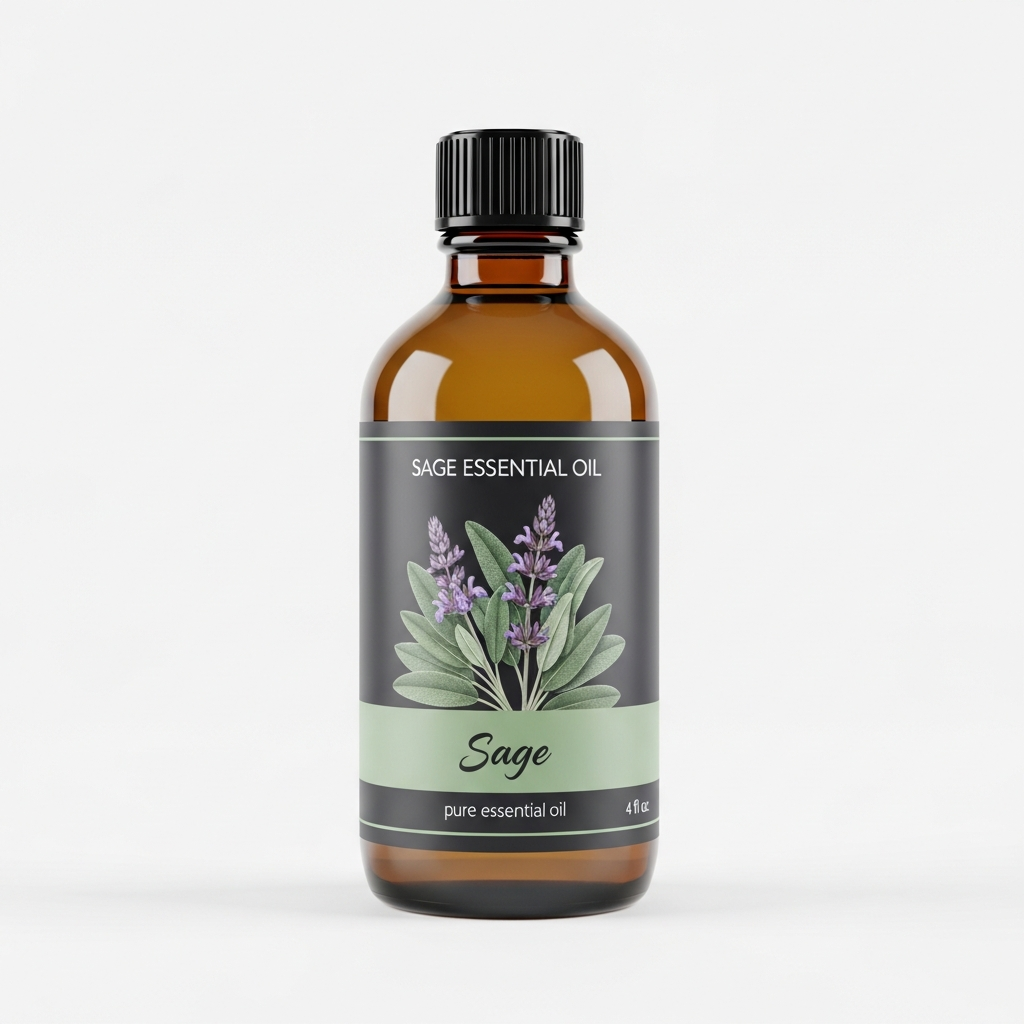
Sage Essential Oil
Sage Essential Oil from our own shop, in sizes from 0.5 oz to bulk.
From $13.99
Shop Now →Sources & Further Reading
- EMA/HMPC, 2016. Assessment report on Salvia officinalis L., folium and Salvia officinalis L., aetheroleum. ema.europa.eu
- EMA/HMPC, 2016. Public statement on Salvia officinalis L., aetheroleum. ema.europa.eu
- EMA/HMPC, 2012. Public statement on the use of herbal medicinal products containing thujone. ema.europa.eu
- NCCIH, 2025. Sage: Usefulness and Safety. nccih.nih.gov
- Tisserand Institute. Safety Guidelines - Tisserand Institute. tisserandinstitute.org