Essential Oils and Stress: How to Read the Headlines
Headlines about scent and stress are easy to find and surprisingly hard to read. A single sentence can hide whether the study used lavender or something else, a sniff or a capsule, volunteers or patients. (If you are struggling right now, you can call or text 988 in the United States to reach the Suicide & Crisis Lifeline, or call 911 in an emergency; the rest of this page is about reading studies.) Once you know what to look for, the research becomes much more interesting.
Lavender is the best-studied case
A 2019 systematic review searched through November 2018 and pooled 37 randomised trials with 3,964 participants. Inhaled lavender lowered scores on validated anxiety scales, and an oral lavender oil capsule (80 mg a day for at least six weeks) lowered scores on two clinical rating scales. The authors were open about the limits: the average quality of the studies was low, most had a high overall risk of bias, and for inhalation they describe only an indication of an effect of reasonable size (Effects of lavender on anxiety: A systematic review and meta-analysis).
That result belongs to lavender, and the capsule is a manufactured product rather than a bottle of oil to sniff. Still, it is the kind of finding that deserves to be taken seriously, with its caveats attached.
Zooming out gives a cooler answer
An earlier overview of ten systematic reviews of aromatherapy, covering conditions such as anxiety, depression, hypertension and pain, found that most of the reviews were of poor methodological quality. It concluded that the evidence is not sufficiently convincing that aromatherapy is an effective therapy for any condition (Aromatherapy for health care: an overview of systematic reviews). It dates from 2012, so the lavender review above is newer and narrower. Put side by side, they show how the answer changes depending on how wide you cast the net.
The NIH adds a nice detail from a study comparing lemon and lavender scents in people under stress: lemon had a positive effect on mood, but neither scent affected stress indicators (Aromatherapy). Feeling better and measurably changing the body's stress markers are different things, and a good study tells you which one it measured.
Five questions for the next headline
This is our own checklist, reasoned from the studies above rather than taken from any of them.
- Which material was used: lavender, lemon, dried herb, a capsule?
- How was it taken: inhaled, massaged in, or swallowed?
- Who took part: healthy volunteers, patients, animals?
- What was measured: a feeling on a questionnaire, or a physical marker?
- What did the comparison group smell or take?
Each answer narrows what the result can tell you, and for most headlines the answers narrow it a lot.
What the sage studies actually tested
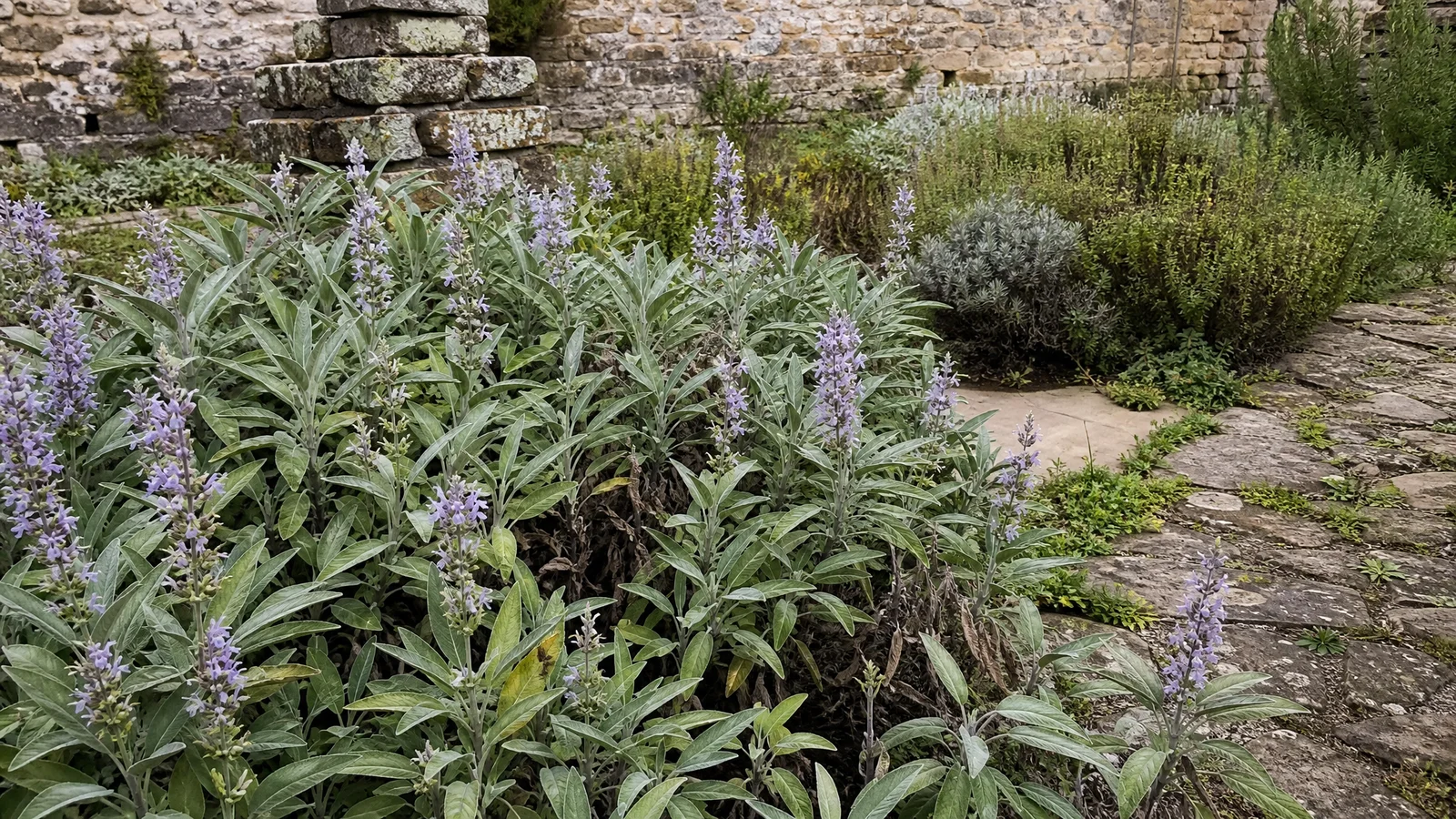
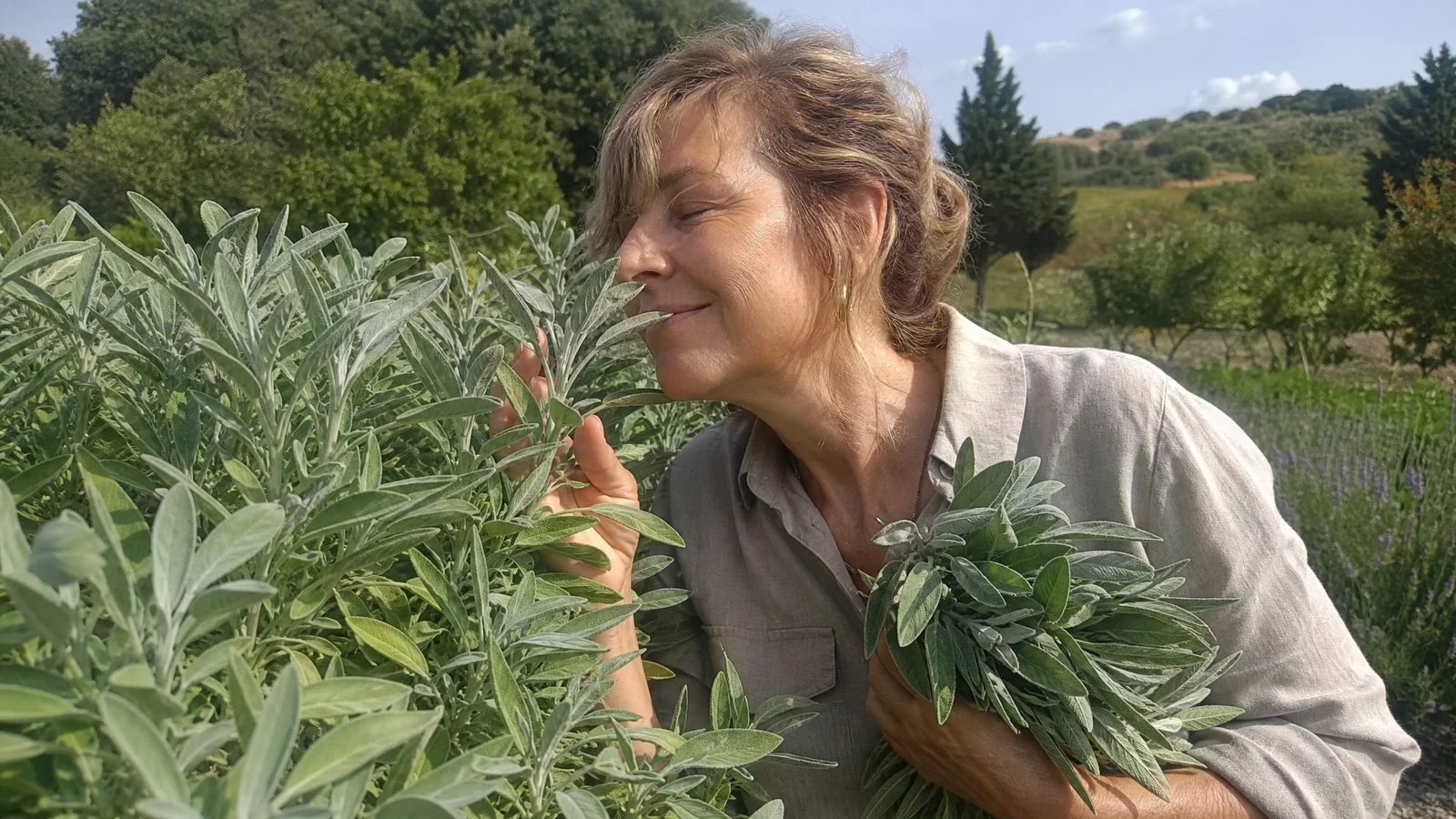
Sage does appear in the stress literature, but not as a scent. In a double-blind crossover study, 30 healthy adults took placebo, 300 mg or 600 mg of dried sage leaf on separate days and then did a demanding computerised multitasking task. Mood improved before the task. The lower dose reduced anxiety, but that effect disappeared once the stressor began, and the same dose reduced alertness during performance (Effects of cholinesterase inhibiting sage (Salvia officinalis) on mood, anxiety and performance on a psychological stressor battery). The material was swallowed dried leaf, the dose was measured, and the people were healthy. It tells us nothing about breathing sage oil.
A kinder way to read the research
None of this is meant to make you cynical. A scent you love can make a room feel like yours, and that is a perfectly good reason to open a bottle or light a candle. The trouble starts only when a pleasant habit gets described as a treatment.
When you meet a new headline, try reading the last paragraph of the article first, where the cautions tend to hide, and then decide how much of the first paragraph to believe. If a story makes you want to rush out and buy something, give it a day and see whether the claim still sounds as strong tomorrow.
We would rather you enjoy a scent for what it is and keep your expectations honest. That is a more comfortable way to live with any aroma, and it leaves room to be pleasantly surprised.
Where sage fits
We sell one oil, garden sage, as an aroma and cosmetic oil, and we make no stress or anxiety claim for it. It also asks for a light touch: the EMA's herbal committee describes sage oil as high in thujone, which it says is toxic and may cause seizures at high doses (Public statement on Salvia officinalis L., aetheroleum). So our guidance is to avoid it in pregnancy and breastfeeding, around children, and with a seizure disorder, and to diffuse gently. Reasoning from that, we would not suggest sage as something to reach for during a hard week, when it is easy to add a few extra drops. If you love the scent, our diffuser article covers blends and cautions, and the sleep article and the aromatherapy overview sit alongside this one.
When worry or low mood starts to interfere with work, sleep or relationships, or has lasted for months, NIMH notes that a primary care provider can do an initial mental health screening and refer you onward (Help for Mental Illnesses). A scent can be part of a pleasant evening. The people who can help with the rest are clinicians.
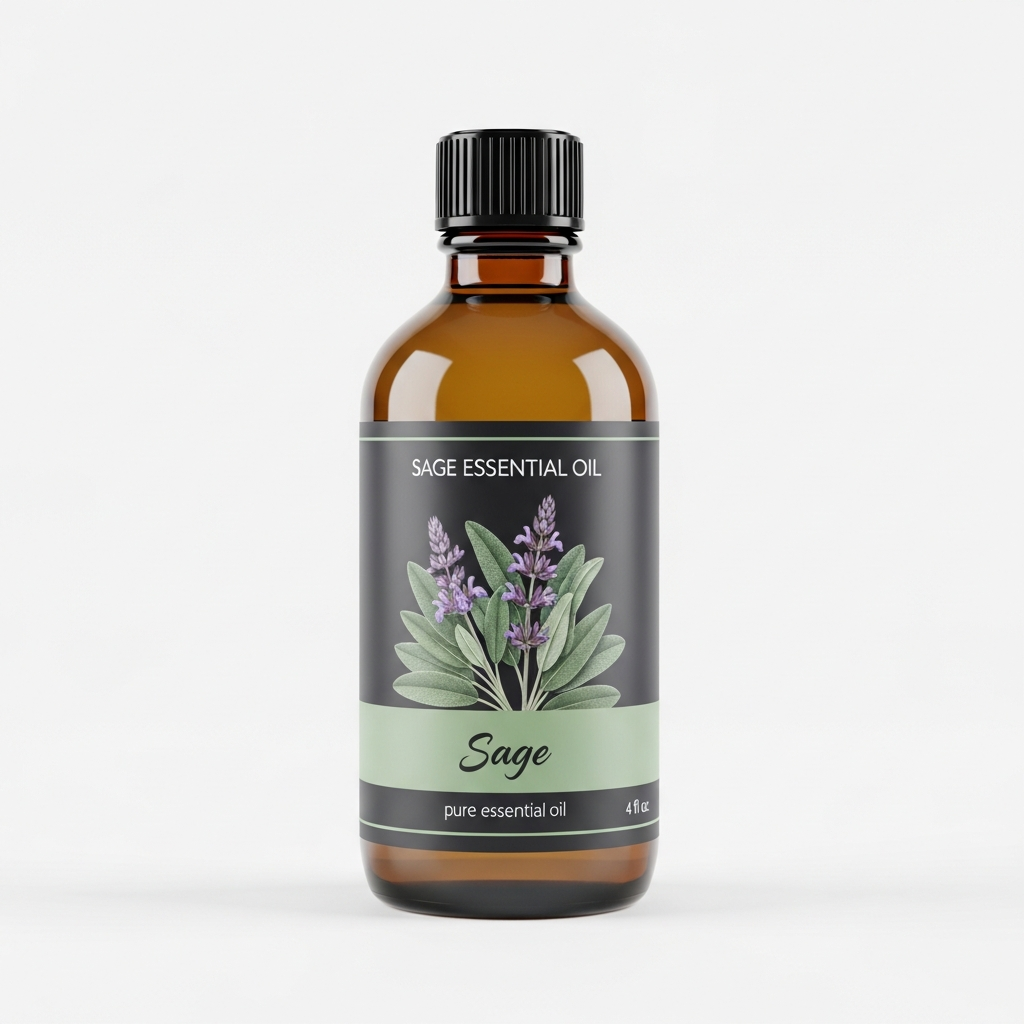
Sage Essential Oil
Sage Essential Oil from our own shop, in sizes from 0.5 oz to bulk.
From $13.99
Shop Now →Sources & Further Reading
- Effects of lavender on anxiety: A systematic review and meta-analysis (Donelli et al., Phytomedicine, 2019)
- Aromatherapy for health care: an overview of systematic reviews (Lee et al., Maturitas, 2012)
- Aromatherapy (NCCIH, January 2020)
- Effects of cholinesterase inhibiting sage (Salvia officinalis) on mood, anxiety and performance on a psychological stressor battery (Kennedy et al., Neuropsychopharmacology, 2006)
- Public statement on Salvia officinalis L., aetheroleum (EMA/HMPC/41843/2009 Corr. 1)
- Help for Mental Illnesses (National Institute of Mental Health)