
Sage Oil vs White Sage Smudge: Two Very Different Traditions
Both sit on the same shelf at the natural wellness shop. Both carry that unmistakable herbal, silvery scent. But sage essential oil and white sage smudge sticks come from genuinely different plants, different cultural contexts, and very different production methods. Treating them as interchangeable does a disservice to both.
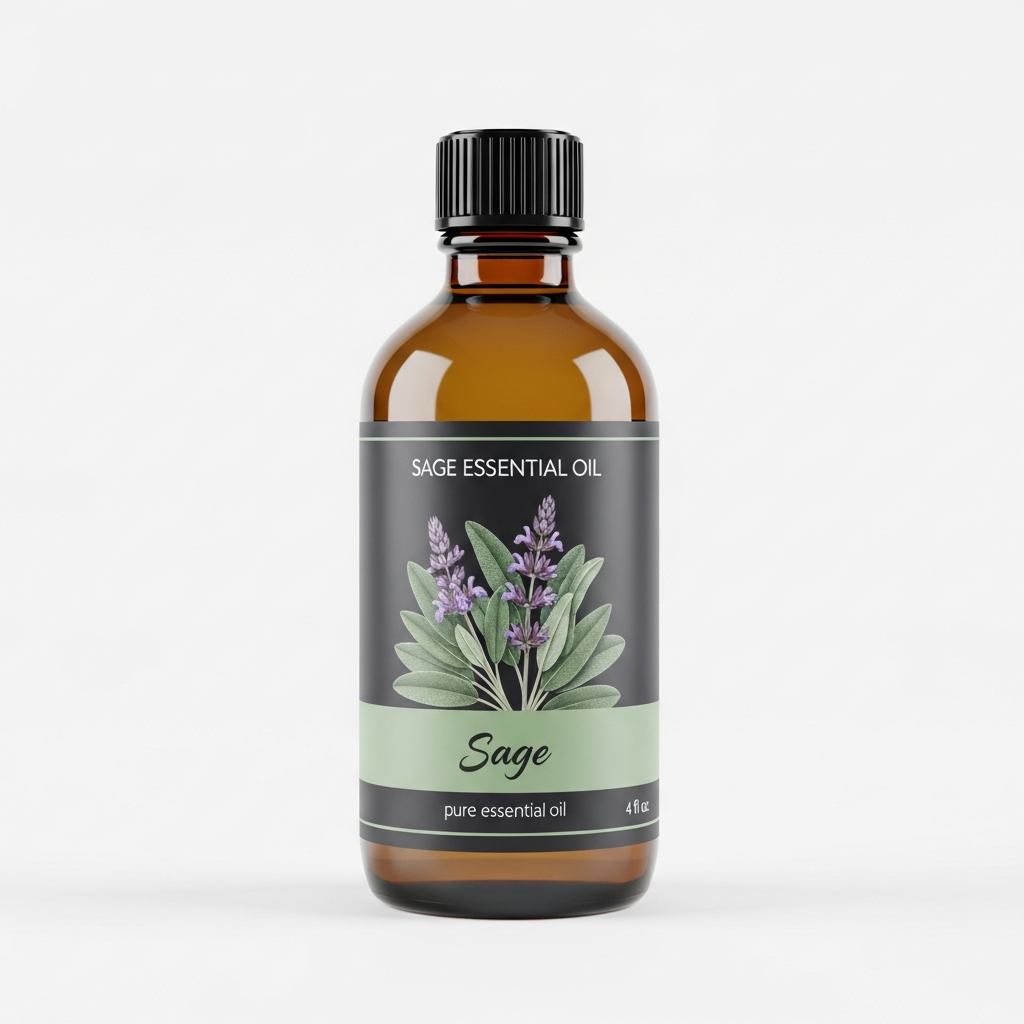
This guide breaks down exactly what separates these two popular botanicals, who each one genuinely suits, and how to make a confident, informed choice. Whether your interest is in fragrance blending, a grounding morning ritual, or simply stocking a thoughtful gift set, the distinctions here matter more than most people realize.
First, the Plants Are Different
This is the most overlooked point in the entire sage conversation. The two products come from two distinct species.
- Garden sage essential oil is distilled from Salvia officinalis, a culinary herb native to the Mediterranean basin. It is the same plant used in Italian cooking, and its oil carries a sharp, camphorous, slightly herbaceous character.
- White sage (Salvia apiana) is native to the coastal scrublands of Southern California and Baja California. Its scent is softer and more resinous, with a cool, almost floral undertone that differs noticeably from garden sage.
A product labeled "white sage essential oil" deserves careful label reading. True Salvia apiana oil is produced in small quantities, has a limited commercial supply, and commands a higher price. If a white sage oil is inexpensive and widely available, there is a reasonable chance it is either adulterated, mislabeled, or blended with a synthetic approximation. We will come back to that.
A Quick Cultural Note on White Sage
White sage smudge sticks are rooted in Indigenous North American spiritual practices, particularly among tribes of the Pacific Southwest. These rituals carry deep ceremonial meaning for many communities. In recent years, the commercial demand for white sage bundles has put serious pressure on wild populations of Salvia apiana, and some Indigenous scholars have raised concerns about the cultural context being stripped from the plant as it enters mainstream retail.
This is not a reason to avoid white sage categorically. It is a reason to source it carefully, to buy from suppliers who work with ethical, cultivated farms rather than wild-harvested stock, and to hold the tradition with some awareness of its origins. The same sourcing scrutiny applies to any sage oil purchase.
How Each Is Made
Sage Essential Oil (Salvia officinalis)
Garden sage oil is produced by steam distillation of the leaves and flowering tops of the plant. The process concentrates volatile aromatic compounds, most notably thujone, camphor, and 1,8-cineole, into a potent liquid. A single kilogram of finished oil requires a substantial volume of plant material, which is why quality sage oil is not cheap. It is also why heavily diluted or adulterated versions are so common on the mass market.
White Sage Smudge Sticks
A smudge bundle is simply dried white sage, harvested and bound tightly with cotton or natural cord. When the tip is lit and then blown out, the bundle smolders, releasing aromatic smoke. No distillation, no processing. The scent you experience comes directly from the plant's own resin glands as they combust. It is one of the most low-tech aromatic experiences available, and many people find that directness deeply appealing.
Comparison Table: Sage Essential Oil vs White Sage Smudge
| Attribute | Sage Essential Oil (S. officinalis) | White Sage Smudge Stick (S. apiana) |
|---|---|---|
| Plant species | Salvia officinalis (garden sage) | Salvia apiana (white sage) |
| Geographic origin | Mediterranean (Spain, Dalmatia, France) | Southern California, Baja California |
| Scent character | Sharp, camphorous, herbaceous, green | Soft, resinous, cool, slightly floral |
| Primary use format | Diffuser, carrier oil blend, fragrance | Smoke-based aromatic ritual |
| Shelf life | 2 to 3 years (sealed, cool, dark storage) | Indefinite when kept dry |
| Smoke involved | No | Yes |
| Skin application potential | Yes, when properly diluted (max 0.4% to 1%) | No |
| Sustainability concern | Lower (widely cultivated) | Higher (wild populations under pressure) |
| Typical cost entry point | Medium (10ml from $8 to $25 depending on quality) | Low to medium ($4 to $15 per bundle) |
| Cultural context | Culinary and European aromatic heritage | Indigenous North American ceremonial tradition |
Pros and Cons
Sage Essential Oil: Pros
- Versatile across diffusion, cosmetic blending, and fragrance work
- No smoke, making it suitable for indoor spaces where open flames are impractical
- Measurable and consistent: you can control exactly how much you use
- Works well in candles, room sprays, and personal care formulations
- Widely cultivated, with more transparency available in the supply chain
Sage Essential Oil: Cons
- Quality varies enormously. Adulteration and mislabeling are genuinely common in this category
- Requires carrier oil for any skin contact. Undiluted application is not appropriate
- High thujone content in S. officinalis means it warrants caution and should not be used during pregnancy
- A diffuser or spray bottle is needed to experience it properly
- Does not replicate the specific scent of white sage or the ritual of burning
White Sage Smudge Stick: Pros
- Immediate, room-filling aromatic experience that a diffuser simply cannot replicate
- Low barrier to entry. No equipment needed beyond a fireproof holder
- The ritual of lighting, holding, and directing smoke appeals to many people as a grounding practice
- Long-lasting per bundle when used occasionally
- A tactile, sensory experience that connects directly to the plant
White Sage Smudge Stick: Cons
- Smoke is not appropriate for all spaces or all people. Ventilation is essential
- Wild Salvia apiana is under real ecological pressure. Sourcing from cultivated farms is important
- The cultural context deserves more awareness than most commercial packaging provides
- Cannot be used in cosmetic formulations or applied to skin
- Inconsistent burn quality depending on how well the bundle was dried and packed
What About "White Sage Essential Oil"?
This deserves its own section because the market is genuinely murky. True Salvia apiana essential oil exists, but it is produced in small quantities by specialist distillers. It carries that distinctive soft, resinous white sage scent, distinct from garden sage oil, and it commands a premium price that reflects its limited supply.
Many products on the market labeled "white sage oil" are not distilled from S. apiana at all. Some are garden sage oil repackaged with a more marketable name. Others are fragrance blends designed to approximate white sage's scent profile. If the label does not list the Latin species name and provide GC/MS testing data on request, caution is warranted.
If white sage oil is on your list, read the sourcing section of our complete guide to sage oil species and sourcing before committing to a purchase. The difference between a genuine Salvia apiana distillate and a synthetic stand-in is significant, both in scent and in what you are actually supporting with your purchase.
Best For: Recommendations by Use Case
Fragrance Blending and Perfumery
Choose sage essential oil. It integrates beautifully with lavender, cedarwood, bergamot, and clary sage in diffuser blends and natural fragrance work. Its sharp herbal note adds a grounding quality to both warm and fresh scent compositions.
Room Atmosphere and Space Clearing Rituals
Either works, depending on your context. A smudge stick delivers a more immersive, smoke-based aromatic shift, which some people find more satisfying for intention-setting rituals. A diffuser with sage oil is cleaner, quieter, and easier to manage in apartments or shared spaces.
Skincare and Body Care Formulations
Sage essential oil only. Properly diluted in a carrier oil (the general guideline for face applications is 0.4% or under; body products typically allow up to 1%, though individual formulations vary), sage oil can contribute to a botanical body oil, a DIY hair rinse, or a facial steam. Always perform a patch test first. A smudge stick has no role in topical formulations.
Gifting
Smudge sticks win on visual appeal. A beautifully wrapped white sage bundle is a striking gift. For a more considered set, pairing a quality sage oil with a ceramic diffuser and a short card explaining the plant's origins makes for something more layered and personal. Our sage oil gift guide for herb garden lovers has some well-curated set ideas worth browsing.
Budget-Conscious Shoppers
Smudge sticks offer more scent per dollar at entry level. A single bundle, used occasionally, can last months. However, if you want cosmetic or blending versatility, the additional cost of quality sage oil is justified.
A Note on Safety for Both
Sage essential oil contains notable levels of thujone and camphor. It should not be used by those who are pregnant or nursing, and it warrants extra care around young children and those with certain neurological sensitivities. Diffuse it in well-ventilated spaces and keep sessions to 30 to 60 minutes.
White sage smudge, while far less concentrated than an essential oil, still produces smoke. Good ventilation is non-negotiable. Open a window, keep your smoke detector in mind, and have a proper fireproof holder ready before you begin. Never leave a smoldering bundle unattended.
For any specific questions about personal sensitivities or how either product interacts with individual circumstances, consulting a qualified healthcare provider is always the appropriate step.
The Verdict
These are not competing products. They serve genuinely different purposes and draw from genuinely different traditions. Sage essential oil is a concentrated aromatic ingredient: precise, versatile, and suited to blending, diffusion, and properly diluted personal care. White sage smudge is a ritual object with deep cultural roots: immersive, smoke-based, and most meaningful when approached with some awareness of where it comes from.
The choice between them is really a question of what you want to do. If you are building a natural fragrance wardrobe or working on cosmetic formulations, sage oil is the clear answer. If you want the full sensory experience of burning plant material in a slow, intentional way, a well-sourced smudge bundle offers something that no bottle can replicate.
And if the label says "white sage essential oil" at a price that seems too accessible, take a closer look. That is one comparison worth making before you buy. See our guide on how to read sage oil labels and spot synthetic substitutes for the specifics.