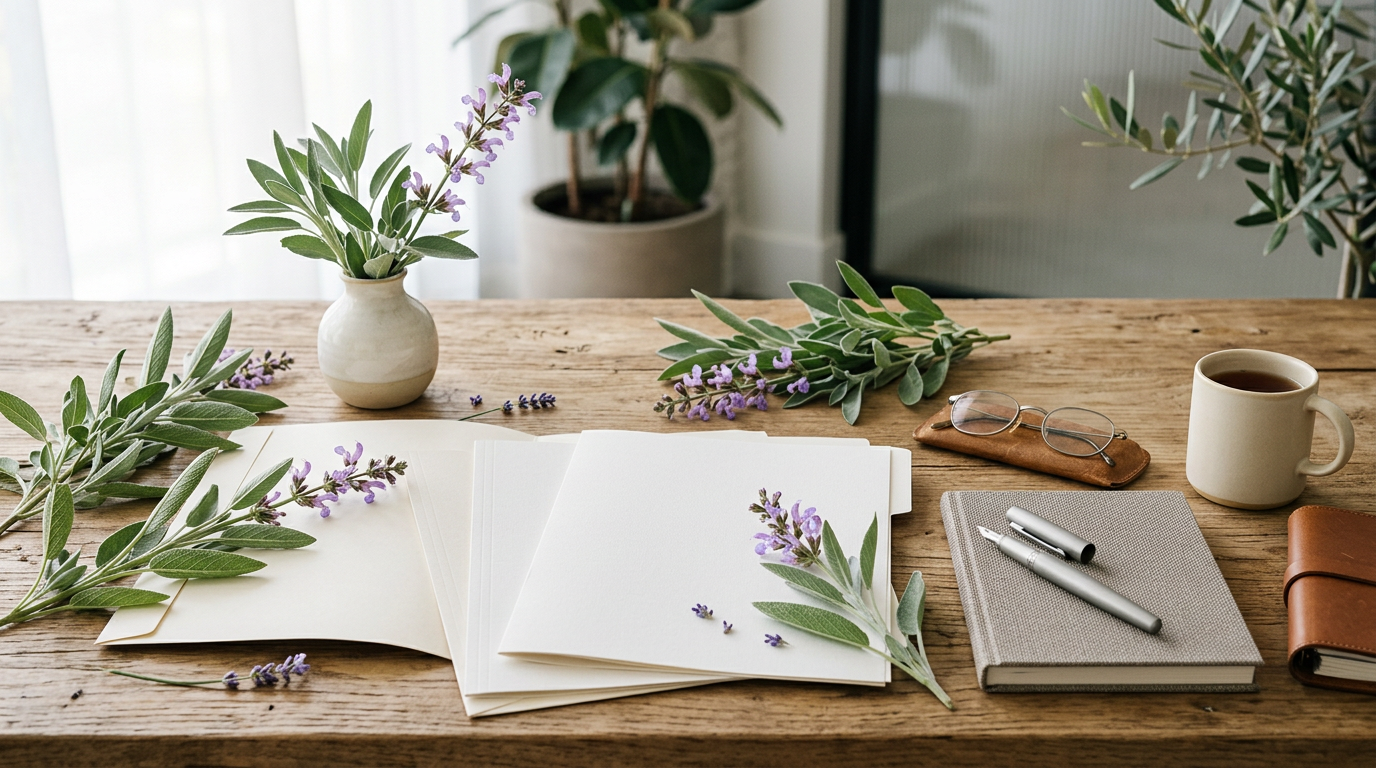
Sage Oil Gift Guide: Earthy Sets for Herb-Garden Lovers
There is a particular kind of person who grows sage in terracotta pots on a sunny windowsill, who rubs a leaf between their fingers just to smell it, who knows the difference between a sprig of common garden sage and a branch of white sage. If you are shopping for that person, a well-chosen sage oil gift will land beautifully. If you are that person and someone has handed you this page, consider it a hint worth following.
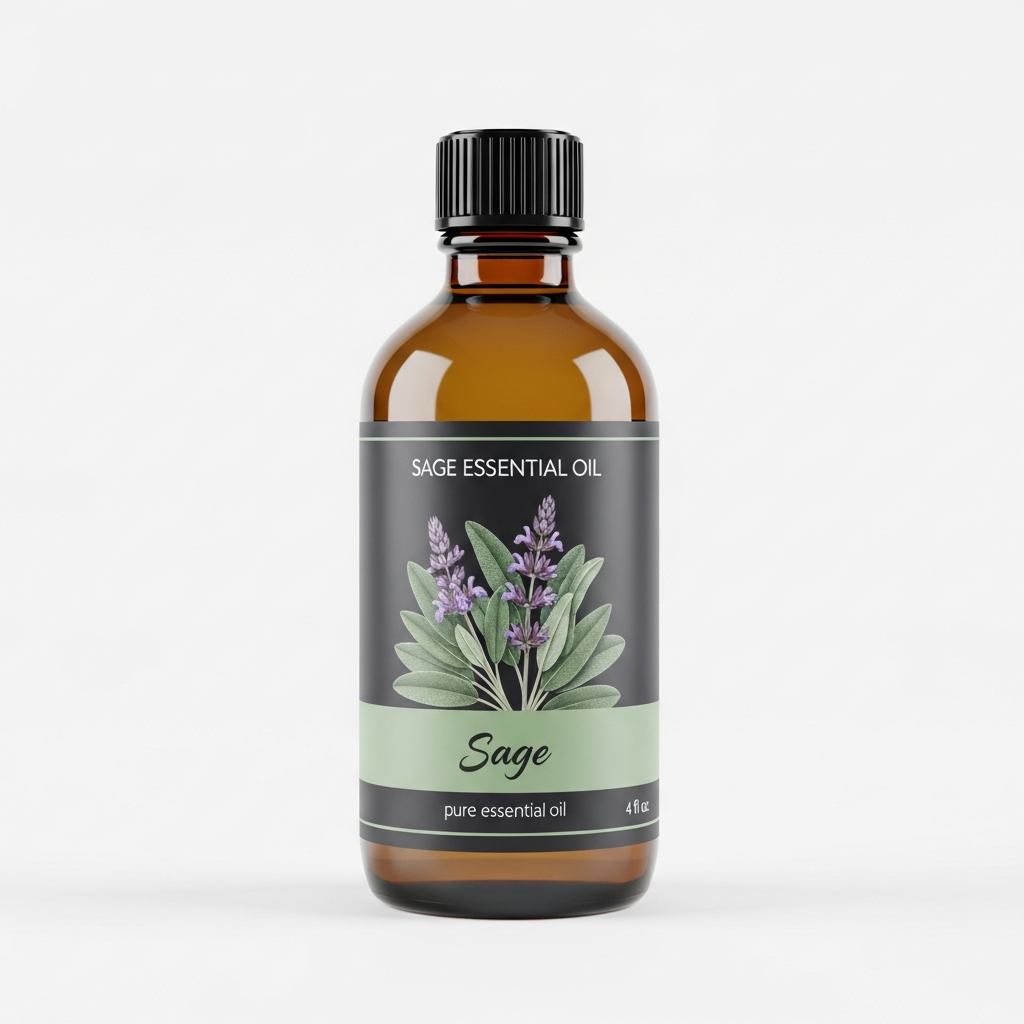
This guide focuses on garden sage essential oil, distilled from Salvia officinalis, the classic culinary and aromatic species. It walks through what separates a quality product from a disappointing one, which features actually matter when comparing sets, and where to spend your money at every budget level. Red flags are included, because the essential oil market has plenty of them.
What to Look For: Quality Indicators in a Sage Oil Gift
Essential oil quality is almost entirely invisible from the outside of a bottle. That means label literacy matters more than packaging aesthetics, especially when you are buying a gift set where pretty boxes can distract from mediocre contents.
Botanical Name and Species Clarity
The label should state the Latin name: Salvia officinalis for garden sage. If it just says "sage oil" with no further detail, that is a gap worth investigating before you buy. Clary sage (Salvia sclarea) and common sage smell quite different and suit different aromatic purposes. For a deep comparison, see our guide on clary sage vs. common sage oil: which one should you buy. A gift recipient who loves garden sage will notice immediately if they receive the wrong species.
Country of Origin
Garden sage oil with genuinely interesting aromatic character tends to come from the Dalmatian coast of Croatia and neighboring parts of the Balkans, where the plant grows in rocky, sun-baked conditions that concentrate its volatile compounds. French and Spanish distillations are also well regarded. Origin is not a guarantee of quality, but its absence on the label is a mild warning sign.
GC/MS Testing and Batch Transparency
Gas chromatography/mass spectrometry (GC/MS) analysis confirms the chemical profile of an oil and reveals adulteration. Reputable brands publish these reports by batch number, either as downloadable PDFs or through a QR code on the bottle. If a brand's website has no mention of third-party testing, that silence tells you something. Our complete sourcing breakdown covers this in more detail: how to buy pure sage oil: the complete guide to species.
Packaging
Dark glass (amber or cobalt blue) protects against light degradation. A properly fitted dropper cap or orifice reducer prevents oxidation from loose lids. Avoid any gift set that presents oils in clear glass or plastic bottles, regardless of how attractive the outer box looks.
Scent Description Honesty
A quality brand describes its sage oil with real sensory language: camphoraceous, herbaceous, slightly earthy, with a cool green top note. Vague descriptors like "fresh and clean" or "nature-inspired" suggest the marketing team has not spent much time with the actual oil.
Key Features to Compare When Choosing Herbal Gift Sets
Not all essential oil gift ideas are structured the same way. Some sets lead with a single hero oil and surround it with complementary products. Others bundle several single-note oils together. Here is what to weigh before deciding.
| Feature | Why It Matters | What to Look For |
|---|---|---|
| Set composition | Determines versatility and value | Complementary herbs (rosemary, lavender, cedarwood) that pair naturally with sage |
| Bottle size | Affects longevity and cost per ml | 5 ml to 15 ml per bottle for gifting; larger is not always better |
| Included accessories | Adds usability without extra shopping | A small diffuser, carrier oil sample, or blending guide adds genuine value |
| Documentation | Signals brand transparency | GC/MS report access, batch numbers, sourcing notes |
| Packaging recyclability | Matters to herb-garden-minded recipients | Kraft paper, glass bottles, minimal plastic inserts |
Top Picks at Different Price Points
These picks reflect the essential oil gift ideas available across a realistic shopping range. Prices shift, so consider these as categories rather than fixed numbers.
Budget Pick: Under $30
A focused single-oil gift with a carrier
At this price point, the smartest move is a quality single bottle of Salvia officinalis paired with a small bottle of a neutral carrier oil such as fractionated coconut or sweet almond. Several independent distillers and smaller online retailers offer exactly this pairing. Look for a 10 ml bottle of sage oil with GC/MS documentation and a 30 ml carrier, all in a simple kraft paper box. The presentation is modest, but the contents are genuinely useful.
What to avoid here: bulk-brand sets that include six or eight oils for $20. The per-bottle cost at that price almost always means diluted or adulterated oil.
Mid-Range Pick: $30 to $70
The herbal garden collection
This is the sweet spot for a sage oil gift with real personality. Several well-regarded brands build sets around a Mediterranean or culinary herb theme: sage alongside rosemary, thyme, basil, and lavender, each in individual dark-glass 5 ml or 10 ml bottles. Rocky Mountain Oils, Plant Therapy, and Eden Botanicals all produce sets in this range with transparent sourcing and accessible GC/MS data.
Look for sets that include a brief blending guide or scent-pairing card. It signals that someone thought about the end user, not just the retail display.
If your recipient loves diffusing seasonal scents, consider pairing a herbal set with our roundup of autumn sage blends: harvest season scents for a cozy home for inspiration they can use immediately.
Premium Pick: $70 and Up
Artisan distiller sets and curated boxes
At this level, you are paying for smaller-batch distillations, more detailed provenance information, and often more generous bottle sizes. Brands like Stillpoint Aromatics and Artisan Aromatics specialize in single-origin, small-batch oils with documented distillation dates and harvest regions. A Dalmatian sage from a named Croatian cooperative, presented alongside a hand-selected rosemary and a cedar atlas, in a wooden or linen-covered box, makes a gift that communicates real care and knowledge.
Some premium retailers also offer bespoke gift curation: you select a base herb oil and they build a complementary set around it. For the committed herb-garden enthusiast, this level of personalization is genuinely noticeable.
Red Flags to Avoid
The essential oil market is large and unevenly regulated. These are the warning signs worth knowing before you spend money on a herbal gift set.
- "Fragrance oil" or "parfum" language anywhere on the label. Fragrance oils are synthetic compositions. They smell similar to essential oils but are a completely different product category.
- No Latin name listed. Any brand confident in its product names the species clearly. Omitting this detail suggests either a blended or adulterated oil.
- "Undiluted, 100% pure" claims with no supporting documentation. These are marketing phrases. Without a GC/MS report, they mean very little.
- Implausible pricing. True Salvia officinalis oil from a quality distillation has real production costs. A 15 ml bottle priced at $4.99 is almost certainly not what the label claims.
- Health claims on the label or product page. Reputable brands in this space understand regulatory boundaries. Exaggerated claims are often a sign that quality is not the brand's primary focus.
- Clear or plastic bottles. These accelerate oxidation. A brand that packages essential oils this way is either uninformed or indifferent to product integrity.
- No batch number or lot code. Without a batch number, there is no way to cross-reference testing data even if the brand claims to test.
Where to Buy
Sourcing matters as much as brand selection. Here is a practical breakdown of where to shop for essential oil gift ideas in the sage category.
Specialty Aromatics Retailers
Online retailers that specialize in aromatics, such as Eden Botanicals, Stillpoint Aromatics, and Artisan Aromatics, stock single-origin oils with detailed provenance. They do not carry every product category, which is actually a quality signal: they focus on what they know. These are the best sources for premium and mid-range sage oil gifts.
Direct from Distillers
A small number of distillers sell directly through their own websites or at farmers' markets, particularly in regions with active herb-farming communities. Buying direct means shorter supply chains and often more detailed harvest information. It also means less polished packaging, which the right recipient will appreciate rather than mind.
Established Natural Brands with Online Stores
Plant Therapy and Rocky Mountain Oils both maintain strong quality standards, publish GC/MS reports openly, and offer well-designed gift sets at accessible prices. Their websites are easy to navigate, and both brands offer gift wrapping options during peak seasons. For a first-time essential oil gift, these are reliable and low-risk choices.
Local Natural Food and Apothecary Stores
For those who prefer to smell before buying, a well-stocked natural apothecary or co-op often carries a rotating selection of essential oils you can test in person. Staff at these stores tend to be knowledgeable and can help you select complementary oils for a custom set you assemble yourself. This is a genuinely pleasant way to shop for someone whose preferences you know well.
Avoid: Mass-Market Marketplace Listings Without Verification
Large general marketplaces host thousands of essential oil listings of wildly variable quality. Third-party sellers on these platforms are not vetted for oil authenticity. If you do shop there, limit yourself to brand-verified stores where you can confirm GC/MS access and return to a known brand's own product page rather than a reseller.
A Note on Gifting Sage Oil Safely
Garden sage essential oil is potent and concentrated. A thoughtful gift includes a brief note about proper use: always dilute before skin contact (typically 1 to 2 percent in a carrier oil for most adults), conduct a patch test before wider application, and keep bottles away from children and pets. Some individuals should consult a qualified healthcare provider before use, including those who are pregnant, nursing, or managing any existing health condition. Including a small card with these basics shows you have thought beyond the presentation.
The best sage oil gift is not necessarily the most expensive one. It is the one where every detail, from species identification to bottle integrity to honest sourcing, reflects genuine respect for the plant and the person receiving it.
Herb-garden lovers notice these things. They read labels. They compare scent profiles. Give them a gift that holds up to that kind of attention, and it will be remembered long after the unboxing.