
DIY Sage Beard Oil: An Earthy Grooming Blend for Everyday Wear
A well-maintained beard deserves more than a quick rinse. Whether your beard is three weeks old or three years in the making, a good conditioning oil makes a genuine difference in how the hair looks, feels, and behaves day to day. This DIY sage beard oil recipe brings together carrier oils known for their skin-softening qualities and the unmistakably grounded, herbal scent of garden sage essential oil. The result is a grooming blend that feels intentional rather than generic.
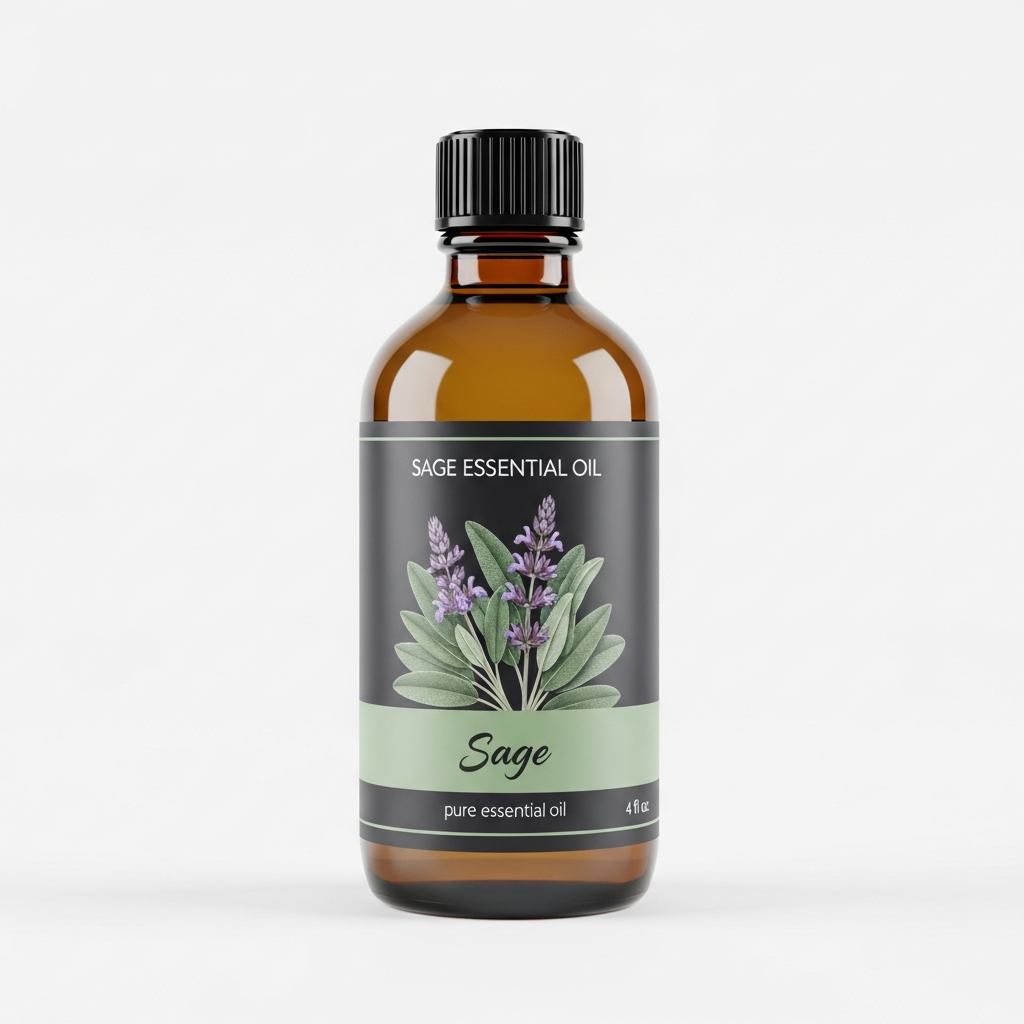
Sage essential oil (distilled from Salvia officinalis) has a complex aromatic profile: green, slightly camphorous, and earthy with a clean finish. It blends beautifully with woody and citrus notes, which makes it a natural fit for beard grooming formulations. If you want to explore how this oil performs beyond personal care, the complete guide to sage oil uses for home and skin is a thorough starting point.
Before You Begin: Difficulty Level and Prep Time
- Difficulty level: Beginner-friendly
- Active prep time: 10 to 15 minutes
- Additional time: 5 minutes for bottling and labeling
- Yield: Approximately 1 oz (30 mL), enough for 4 to 6 weeks of daily use
No heat is required for this recipe. You will need a small measuring setup, a clean work surface, and a few pieces of basic equipment. Most of the items are reusable batch after batch.
Equipment Needed
- 1 oz (30 mL) amber or cobalt glass dropper bottle
- Small glass measuring beaker or graduated cylinder
- Pipette or disposable dropper (for essential oils)
- Small funnel (optional, but helpful)
- Label and marker for dating your batch
Glass is strongly preferred over plastic for storage. Essential oils can interact with certain plastics over time, which may affect both the oil's integrity and the container itself.
Full Ingredients List
| Ingredient | Amount | Purpose |
|---|---|---|
| Jojoba oil (golden or clear) | 18 mL (approximately 0.6 oz) | Primary carrier; closely mimics skin's natural sebum |
| Sweet almond oil | 8 mL (approximately 0.27 oz) | Lightweight conditioning carrier; adds slip |
| Argan oil | 2 mL (approximately 0.07 oz) | Adds a lustrous finish and softens coarse hair |
| Sage essential oil (Salvia officinalis) | 8 drops | Aromatic anchor; herbal, earthy scent |
| Cedarwood essential oil (Virginian or Atlas) | 6 drops | Warm, woody depth; complements sage |
| Lemon essential oil | 4 drops | Bright lift; keeps the blend from going too heavy |
Total essential oil count: 18 drops in 28 mL of carrier oil. This comes to approximately a 3% dilution rate, which is appropriate for a leave-on facial application used on skin that may already be slightly sensitized. More on dilution ratios in the safety section below.
Step-by-Step Instructions
-
Prepare your workspace
Wipe down your beaker, funnel, and pipettes with rubbing alcohol. Let them air dry completely before you start. Residual moisture can shorten shelf life significantly.
-
Measure your carrier oils
Pour the jojoba oil into your beaker first, followed by the sweet almond oil. Add the argan oil last. Argan is more expensive, so measuring it last lets you use a pipette to get the exact amount without waste.
-
Add your essential oils
Using a fresh pipette or dropper, count out 8 drops of sage essential oil directly into the carrier blend. Follow with 6 drops of cedarwood, then 4 drops of lemon. Take a moment to smell the blend at this stage. It should read earthy and grounded, with a gentle citrus note lifting the top. If the sage smells too sharp, you can swap 2 drops for an additional 2 drops of cedarwood to mellow the profile.
-
Stir gently
Use a clean glass rod or the dropper itself to stir the blend slowly for about 30 seconds. You want the essential oils fully incorporated rather than sitting in a concentrated layer at the top.
-
Transfer to your bottle
Using your small funnel, pour the finished blend into the amber dropper bottle. Cap it, then invert the bottle three or four times to ensure everything is fully combined.
-
Label and date your batch
Write the date of creation and the batch name on your label. Include a note of the dilution percentage if you plan to share the bottle with someone else. This step is easy to skip and genuinely worth doing.
How to Use This Sage Beard Oil
Dispense 3 to 5 drops into your palm. Rub your hands together to warm the oil slightly, then work it through your beard from root to tip. Use a beard comb or boar bristle brush to distribute evenly. For shorter beards, 2 to 3 drops is usually plenty. Longer, thicker beards may want a second small application toward the ends.
This blend works well applied after a shower when the beard is still slightly damp. The carriers absorb faster into a hydrated hair shaft, and the scent develops nicely as your skin warms up through the day.
Safety Warnings and Contraindications
Dilution Ratios
This recipe is formulated at approximately 3% essential oil dilution. For most adults, this is a comfortable rate for a leave-on product applied to facial skin and hair. If you have sensitive skin, consider reducing the essential oil count to 12 drops total (a roughly 2% dilution) while keeping the same carrier ratios.
Do not exceed 3% dilution for a product worn on the face. Higher concentrations increase the likelihood of skin reactions, particularly with sage essential oil, which contains thujone and camphor as natural components.
Patch Testing
Always patch test a new batch before applying it to your full beard area. Apply 2 to 3 drops to the inside of your forearm. Wait 24 hours. If you notice any redness, itching, or irritation, do not proceed with full use. Reformulate with fewer essential oil drops or substitute a gentler aromatic like lavender.
Sage Essential Oil Specific Cautions
Salvia officinalis essential oil contains thujone, a naturally occurring compound that warrants some caution in its use. Keep dilution rates at recommended levels. This oil is not appropriate for use by people who are pregnant, trying to conceive, or nursing. It is not suitable for children or for use in products intended for use around young children. If you have a history of seizure disorders or take medications that affect the nervous system, please consult a qualified healthcare provider before incorporating sage essential oil into your routine.
Lemon Essential Oil Note
Cold-pressed lemon oil is phototoxic, meaning it may increase the skin's sensitivity to UV exposure. The amount used in this recipe is low, and most of the oil is absorbed into the beard hair rather than sitting directly on skin. However, if you routinely spend significant time outdoors immediately after application, consider substituting steam-distilled lemon oil, which does not carry the same phototoxicity concern.
General Reminder
This is a cosmetic grooming product. It is not intended to address any medical concerns. Please consult a qualified healthcare provider with any questions about your personal health or skin conditions.
Storage Instructions and Shelf Life
Store your beard oil in a cool, dark location away from direct sunlight and heat sources. A bathroom cabinet or nightstand drawer works well. Avoid storing it on a windowsill or near a radiator.
- Expected shelf life: 6 to 9 months
- Shelf life limiter: Sweet almond oil, which has a moderate oxidation rate
- Signs of spoilage: A rancid or crayons-like smell, cloudiness in a previously clear blend, or a noticeably changed texture
If you want to extend shelf life toward the 9-to-12-month range, add 0.5 mL of vitamin E oil (tocopherol) to the carrier mix before adding your essential oils. Vitamin E acts as a natural antioxidant and slows the oxidation of the carrier oils. It also adds a small conditioning benefit to the finished product.
Variations and Substitutions
The Woodsman Variation
Replace the lemon essential oil entirely with 4 drops of black spruce essential oil. The result is a deeper, more resinous blend. Good for colder months or anyone who finds citrus notes too bright for their preference.
The Minimal Blend
Use sage essential oil only, at 12 drops total, skipping the cedarwood and lemon. The scent is more austere and sharply herbal. It suits people who prefer their grooming products to stay in the background rather than announce themselves. For more ideas on pairing sage oil with other aromatic notes, browse these 10 sage oil blends featuring citrus, cedar, and lavender pairings.
Carrier Oil Substitutions
If sweet almond oil is not available or you prefer to avoid tree nut-derived carriers, substitute with grapeseed oil in the same quantity. Grapeseed is slightly lighter and nearly odorless, which keeps the focus on the essential oil scent. For a richer, heavier blend suited to very coarse or dry beards, replace a portion of the jojoba with castor oil. A 70/30 split of jojoba to castor (in place of the original jojoba/almond split) will produce a much thicker oil that coats and weighs down curls. That may or may not be desirable depending on your hair type.
Diffuser Companion
If you enjoy the earthy, grounded scent profile of this blend at your grooming station, you might find it worth exploring sage oil in the diffuser for fresh herbal blends. Running a complementary diffuser blend while you go through your morning grooming ritual can make the whole experience feel more cohesive.
Notes on Ingredient Sourcing
The quality of this herbal grooming blend depends almost entirely on the quality of the sage essential oil you start with. Look for oil labeled as Salvia officinalis (garden sage) rather than clary sage (Salvia sclarea) or Spanish sage (Salvia lavandulifolia). These are distinct botanical species with different aromatic and chemical profiles. The label should include the Latin name, country of origin, and extraction method (steam distillation for sage). Avoid oils that list a fragrance oil blend or do not disclose the botanical source.
For a deeper look at how sourcing and quality factors play into everyday use of this oil, the complete guide to sage oil uses covers what to look for when evaluating a supplier.
Final Thoughts on Making It Your Own
This recipe is a starting point, not a rigid formula. Your carrier choices, your preferred scent intensity, and the texture your beard actually needs are all variables worth adjusting over your first few batches. Keep notes. Write down what you changed and how the finished product performed. After two or three iterations, you will have a blend that is genuinely tailored to your beard type and scent preference. That is the real value of making your own DIY beard oil at home.