
Sage Oil vs Dried Sage: Cooking Herb or Aromatic Oil?
Both products smell unmistakably of sage. Both come from Salvia officinalis, the same silver-green plant you might grow on a sunny windowsill. Beyond those two shared facts, however, they are very different materials made for very different purposes. If you have ever reached for a bottle of sage essential oil and wondered whether it could replace the dried herb in a recipe, or spotted a culinary sage oil blend and assumed it would work in your diffuser, this guide will set the record straight.
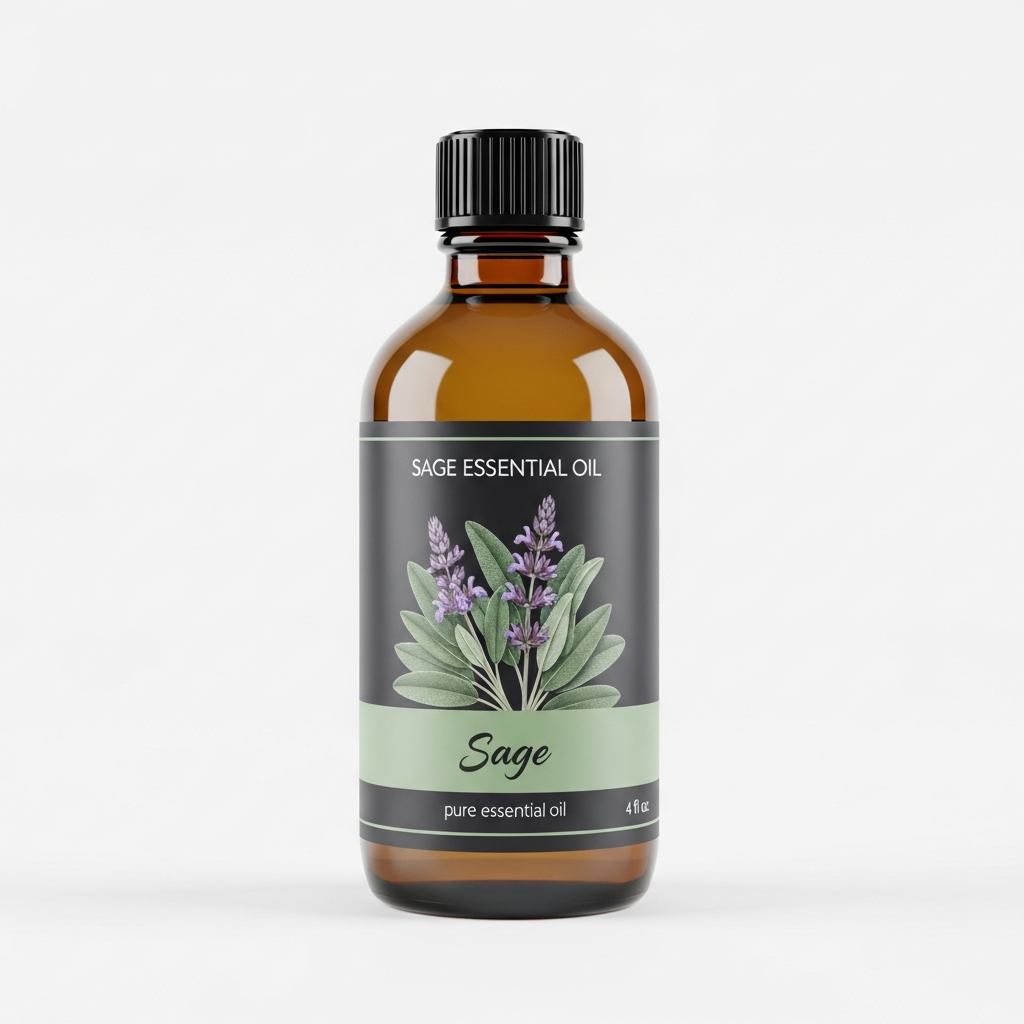
Let's walk through what each product actually is, where each one genuinely excels, and how to make sure you are buying the right thing for the right job.
What Are We Actually Comparing?
Dried Sage
Dried sage is simply fresh garden sage that has had its moisture removed through air-drying, dehydration, or low-heat processing. The result is a shelf-stable culinary herb. It retains the plant's volatile aromatic compounds in modest concentrations, along with its fibrous cell structure, chlorophyll, and a range of flavor-active molecules. It is sold loose, crumbled, or as whole dried leaves, and it is a standard pantry staple found in grocery stores worldwide.
Sage Essential Oil
Sage essential oil is produced by steam distillation of the leaves and flowering tops of Salvia officinalis. Steam passes through the plant material, volatilizes the aromatic compounds, and the resulting vapor is condensed and separated into water (a hydrosol) and oil. The finished essential oil is highly concentrated. A single kilogram of finished oil typically requires many kilograms of fresh plant material. For a fuller introduction to how this process works, see our guide on what sage essential oil is and how it's made.
That concentration matters enormously when you start thinking about safety and appropriate use.
The Core Difference: Concentration
Dried sage is a food ingredient. You measure it in teaspoons. Sage essential oil is a highly concentrated aromatic extract. You measure it in drops. The same thujone compounds that give sage its sharp, camphorous character exist in dried sage at food-safe levels. In essential oil form, those same compounds are present at concentrations that make ingestion genuinely risky without professional guidance.
This is not a minor distinction. It is the foundational reason the two products are not interchangeable.
Comparison Table
| Attribute | Dried Sage | Sage Essential Oil |
|---|---|---|
| Primary use | Culinary flavoring | Aromatic, cosmetic, diffusion |
| Source plant | Salvia officinalis | Salvia officinalis |
| Production method | Drying / dehydration | Steam distillation |
| Concentration | Low (food-appropriate) | Very high |
| Safe to ingest? | Yes, as a culinary herb | Not recommended without professional guidance |
| Shelf life (unopened) | 1 to 3 years | 2 to 4 years (stored correctly) |
| Scent intensity | Mild to moderate | Intense |
| Works in a diffuser? | No | Yes |
| Works in a recipe? | Yes | Not as a substitute for dried herb |
| Suitable for skin (diluted)? | As an infusion only | Yes, properly diluted in a carrier oil |
| Typical price per unit | Low | Moderate to high |
| Sustainability considerations | Standard herb farming | High plant volume required per batch |
Sage-Infused Olive Oil: The Middle Ground
Before going further, it is worth naming a third product that regularly causes confusion: sage infused olive oil. This is not essential oil. It is not dried sage. It is a culinary oil made by steeping fresh or dried sage leaves in olive oil, sometimes gently warmed, until the oil absorbs the herb's flavor and mild aroma.
Sage infused olive oil is a cooking ingredient. It can be used for sautéing, finishing pasta, drizzling over roasted vegetables, or making savory bread dips. It carries the flavor of sage in a form that blends easily into food. It is not suitable for diffusion and it is not a substitute for sage essential oil in aromatic or cosmetic applications.
When you are shopping, read labels carefully. "Sage oil" on a culinary product usually means sage infused olive oil or a flavored cooking oil. "Sage essential oil" on an aromatic product means the steam-distilled concentrate. They look similar on a shelf but serve entirely separate purposes.
Pros and Cons
Dried Sage
Pros
- Widely available and inexpensive
- Safe and straightforward to use in food
- Adds genuine herbal depth to savory dishes
- No special storage requirements beyond a cool, dark cupboard
- Can be used as a loose smudge or simmered in water for a very mild ambient scent
- Easy to grow at home (see our article on growing sage at home for a practical starting point)
Cons
- Does not produce meaningful aromatic diffusion
- Cannot be used in cosmetic formulations the way an essential oil can
- Loses potency relatively quickly once the bag or jar is opened
- Texture is not compatible with liquid aromatic blends
Sage Essential Oil
Pros
- Delivers an intense, true-to-plant aromatic experience in a diffuser or blend
- Works well in properly diluted cosmetic and personal care formulations
- A few drops go a long way, so a small bottle lasts
- Scent is complex and long-lasting compared to dried herb
- Pairs well with other essential oils including rosemary, lavender, cedarwood, and citrus
Cons
- Not safe to ingest without proper professional guidance
- Requires careful dilution before any skin contact (typically 1 to 2 percent in a carrier oil for adults)
- Not suitable for use around young children, people who are pregnant, or those with certain sensitivities without qualified advice
- Higher cost per unit than dried herb
- Quality varies significantly by supplier and distillation method
Best For: Recommendations by Use Case
Cooking and Baking
Use dried sage. It is the correct, safe, and flavor-appropriate choice for stuffings, roasted meats, brown butter sauces, focaccia, and any other recipe calling for sage. Sage infused olive oil is also a good option when you want the herb's flavor already incorporated into a fat.
Diffusion and Home Fragrance
Use sage essential oil. A few drops in an ultrasonic diffuser fill a room with a sharp, herbaceous, slightly camphorous scent that dried leaves simply cannot replicate. For a detailed look at what to expect from the scent, our sage oil scent profile guide covers the aromatic layers in depth.
Cosmetic Formulations (Lotions, Serums, Hair Rinses)
Use sage essential oil, properly diluted. Dried sage has no place in a lotion or serum. Essential oil, blended into an appropriate carrier at safe concentration levels, is the standard approach for adding sage's distinctive scent and botanical character to a cosmetic product.
Aromatic Linen Sprays or Room Mists
Use sage essential oil dispersed in water with a small amount of solubilizer. Dried sage will not dissolve and will leave debris in the spray nozzle.
Garden-to-Table Projects and DIY Herb Oils
Use fresh or dried sage to make your own infused cooking oil. If you grow your own plant, drying the leaves before infusing reduces moisture content and the associated risk of spoilage in the oil.
Aromatic Sachets and Dried Botanicals
Dried sage works here. Tucked into a linen pouch with lavender and rosemary, dried sage adds its characteristic herbal note to a drawer sachet without the intensity or handling considerations of essential oil.
A Note on Quality and Sourcing
For dried sage, look for culinary-grade product from a reputable spice supplier. Bright color, strong scent when the jar is opened, and a clear harvest or best-by date are good indicators of freshness.
For sage essential oil, sourcing matters considerably more. Look for a supplier who provides the botanical name (Salvia officinalis), the country of origin, the plant part used, and the distillation method. Gas chromatography and mass spectrometry (GC/MS) testing is the industry standard for confirming purity and identifying the chemical composition of a batch. Avoid products that are vaguely labeled as "sage fragrance oil" if you want a genuine essential oil. Fragrance oils are synthetic or blended aromatic compounds and are not equivalent to steam-distilled essential oil.
Safety at a Glance
Because this comparison often comes up in kitchen contexts, it is worth being direct about one point: sage essential oil is not a cooking ingredient. The concentration of thujone and other active compounds in distilled oil is far beyond food-safe levels when used in amounts comparable to a culinary herb. If you encounter content suggesting a drop of sage essential oil can substitute for dried sage in a recipe, consider that suggestion with significant skepticism and consult a qualified professional before experimenting.
For cosmetic and aromatic use, always dilute sage essential oil appropriately, perform a patch test before wider skin application, and check contraindications if you are pregnant, nursing, or managing any existing health situation. When in doubt, consult a qualified healthcare provider.
The Verdict
The cooking sage vs sage oil debate is largely a false dilemma. These two products are not rivals. They do different jobs and belong in different parts of your home.
Dried sage belongs in your spice rack and your garden. It is a kitchen staple with a long history in European and Mediterranean cooking, and it is the right choice any time a recipe calls for sage. Sage infused olive oil is a refined culinary extension of that same tradition.
Sage essential oil belongs in your diffuser, your cosmetic formulations, and your aromatic blending projects. It is a concentrated botanical extract that deserves careful handling and purposeful use. When you source it well and use it correctly, it brings a genuinely distinctive herbal character to fragrance and personal care work that no amount of dried leaves can replicate.
Know what you are buying, read the label, and match the product to the purpose. That straightforward habit will save you from wasted product, failed recipes, and preventable safety issues.